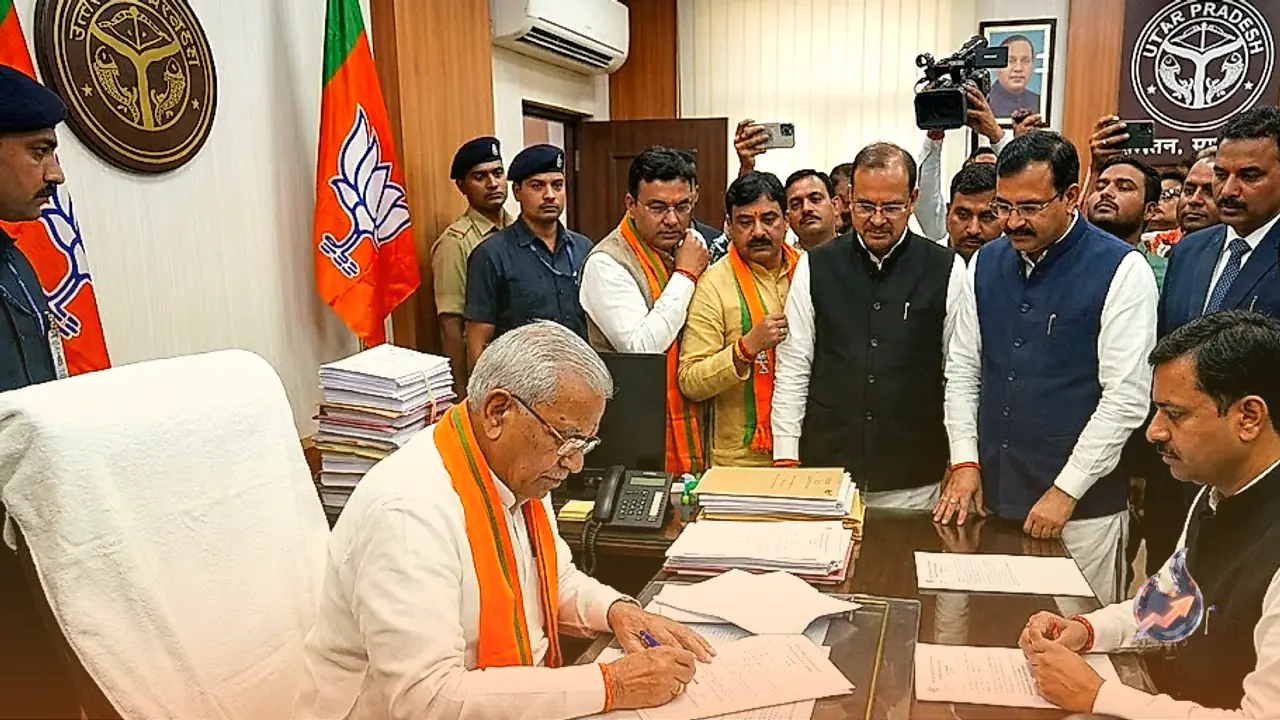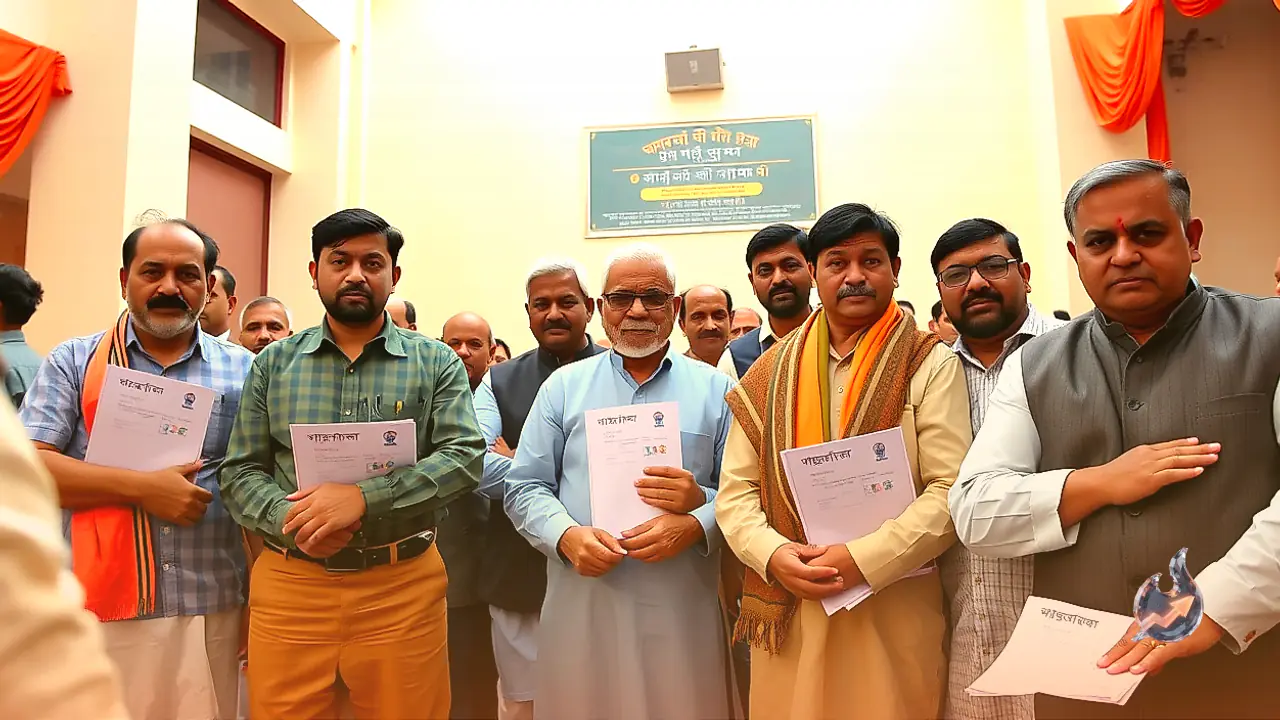



















A decade after bursting onto the national stage as one of India's youngest parliamentarians, Priyanka Singh Rawat has scripted a major political comeback. On October 6, 2026, the former Barabanki representative filed her nomination papers in Lucknow among eight candidates chosen by the Bharatiya Janata Party for the Rajya Sabha. The filing took place under the watch of Chief Minister Yogi Adityanath, where Rawat sought his blessings by touching his feet. The Upper House nomination marks a significant turning point ahead of the crucial 2027 Uttar Pradesh Assembly elections.
A Stunning Debut Against a Veteran in 2014
Rawat first stepped into mainstream electoral politics during the 2014 parliamentary elections. Entrusted with the reserved constituency of Barabanki amid the Narendra Modi wave, the 28-year-old debutant pulled off a historic upset by defeating Congress heavyweight and sitting parliamentarian P L Punia. Rawat triumphed by an overwhelming margin of 2,11,878 ballots. She garnered 4,54,214 votes against Punia, who secured 2,42,336 votes. Entering the Lok Sabha at such an early age firmly established her presence in state politics.
Enduring Candidacy Snubs and Rebuilding in the Organization
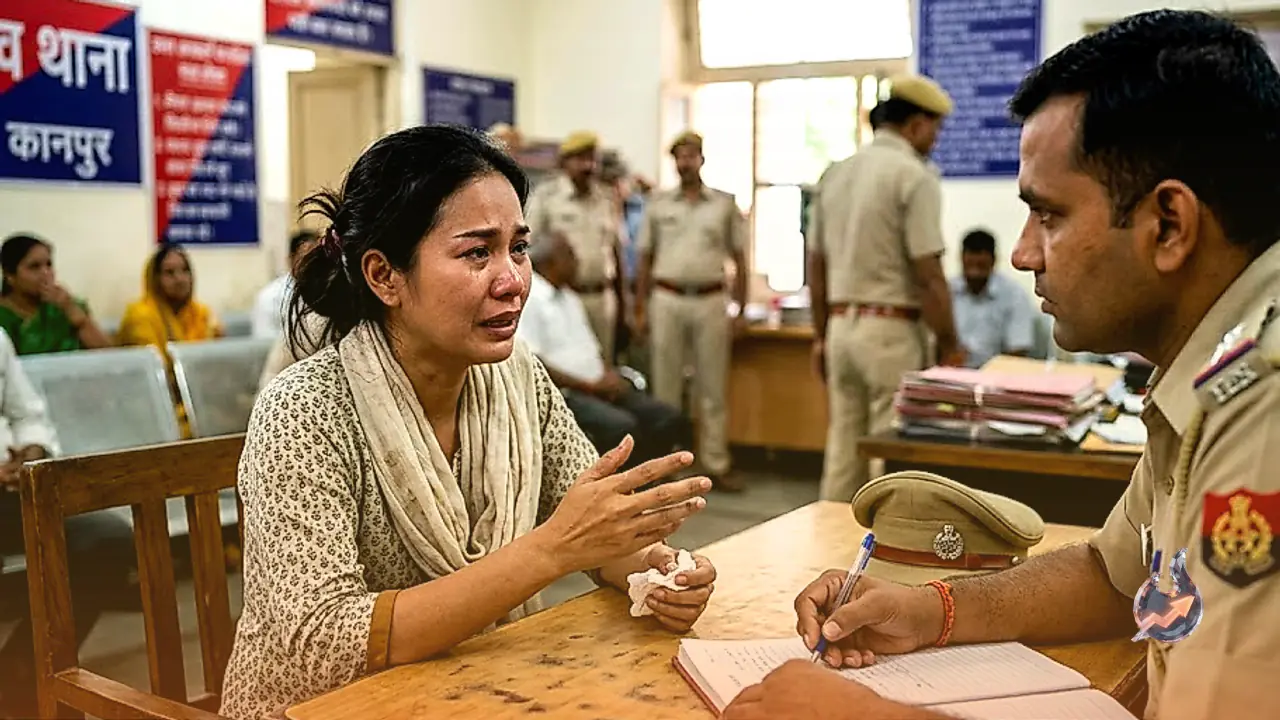
The trajectory shifted sharply in 2019 when the ruling party dropped her as the sitting MP from Barabanki, fielding Upendra Singh Rawat instead. The constituency remained with the saffron outfit as Upendra Singh Rawat retained the seat by securing 5,35,917 votes. While losing the electoral nomination left Priyanka crestfallen and brought tears, she chose loyalty over rebellion and remained steadfast in her commitment to the party rank and file.
A similar disappointment followed in the 2024 general election when the parliamentary ticket was denied to her for a second consecutive time. Rather than straying from the party fold, Rawat focused entirely on strengthening organizational machinery in Uttar Pradesh. Recognizing her patience, the party leadership initially appointed her as a state secretary and subsequently elevated her to the post of state vice president.
Bureaucratic Clashes and Controversy During Her Tenure
Her tenure as an elected representative was not without turbulence. Known for her confrontational interactions with local bureaucracy, Rawat found herself embroiled in multiple controversies that drew headlines. In one widely reported encounter, her sharp words escalated into an outright public warning against an IPS officer. On another occasion, she staged a protest right outside the office chamber of the District Magistrate in the Collectorate compound.
Further controversy arose when she named her father, Uttam Ram Singh, as her official Public Relations Officer. The matter reached high-level scrutiny involving Prime Minister Narendra Modi, forcing party leaders to intervene and terminate the appointment. These frictions with the civil administration were widely viewed as key factors that derailed her chances for re-election in 2019 and 2024.
Strategic Outreach to the Pasi Community and Women Voters
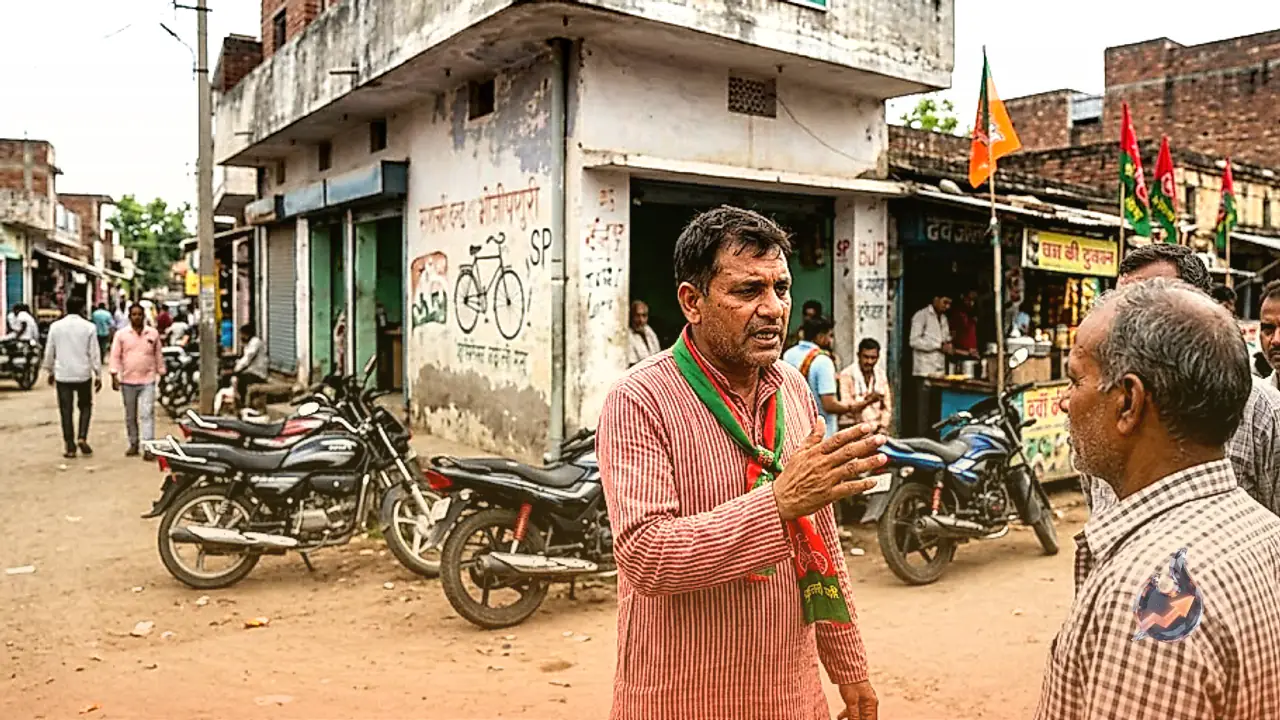
Her elevation to the Rajya Sabha in 2026 serves a dual purpose for the ruling coalition. Rawat belongs to the Pasi community, a prominent Dalit group that carries substantial electoral sway across central Uttar Pradesh and the Awadh belt. Key districts such as Barabanki, Lucknow, Sitapur, Hardoi, Unnao, Rae Bareli, and Amethi feature a dense demographic concentration of this voting bloc.
Furthermore, her selection underscores a push to project empowered women leaders. Out of the eight Upper House nominees put forward by the party, two are women, with Shruti Gangwar joining Rawat on the list. By sending an experienced campaigner who has previously won a direct election, navigated national legislative waters, and held senior organizational roles, the leadership aims to shore up its foundation across key demographic pillars.