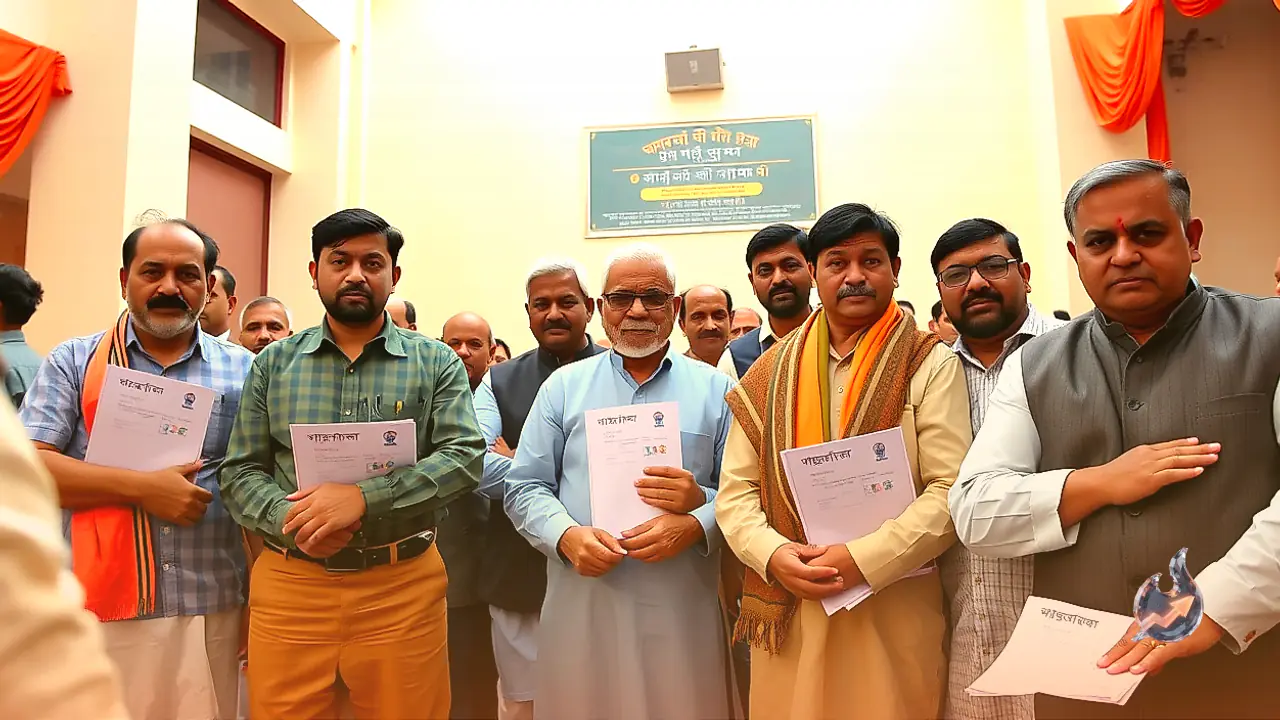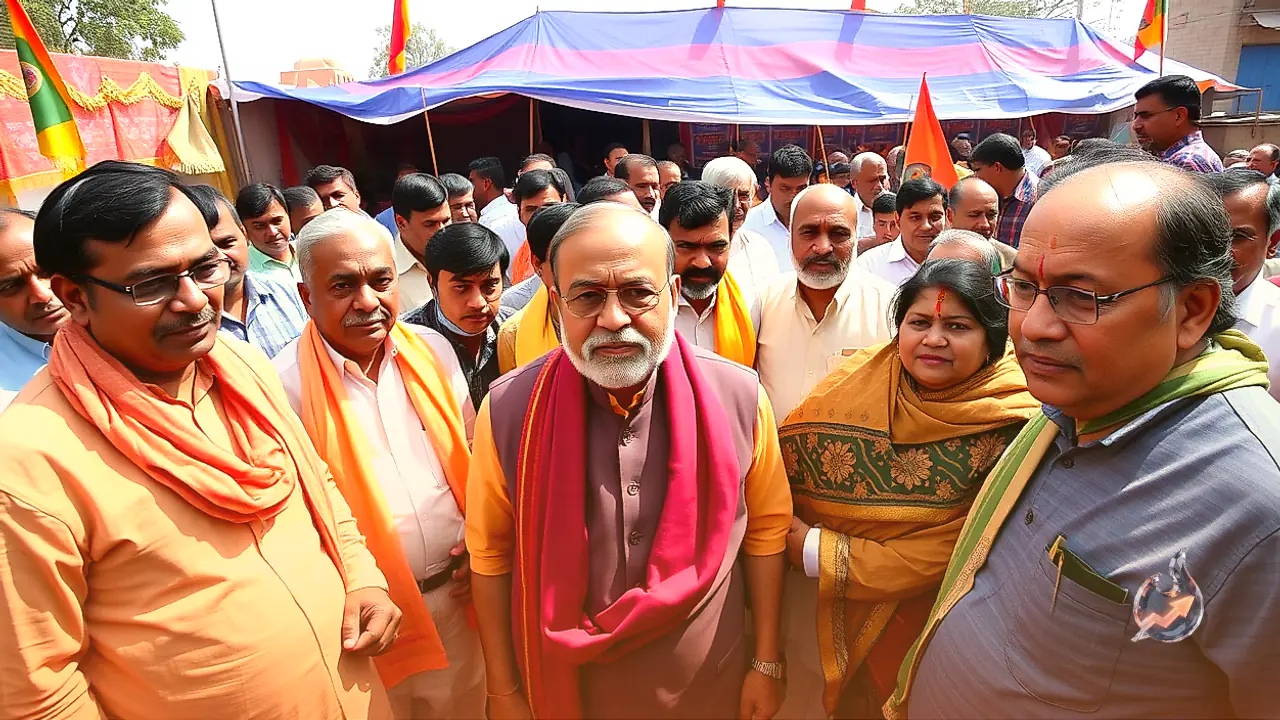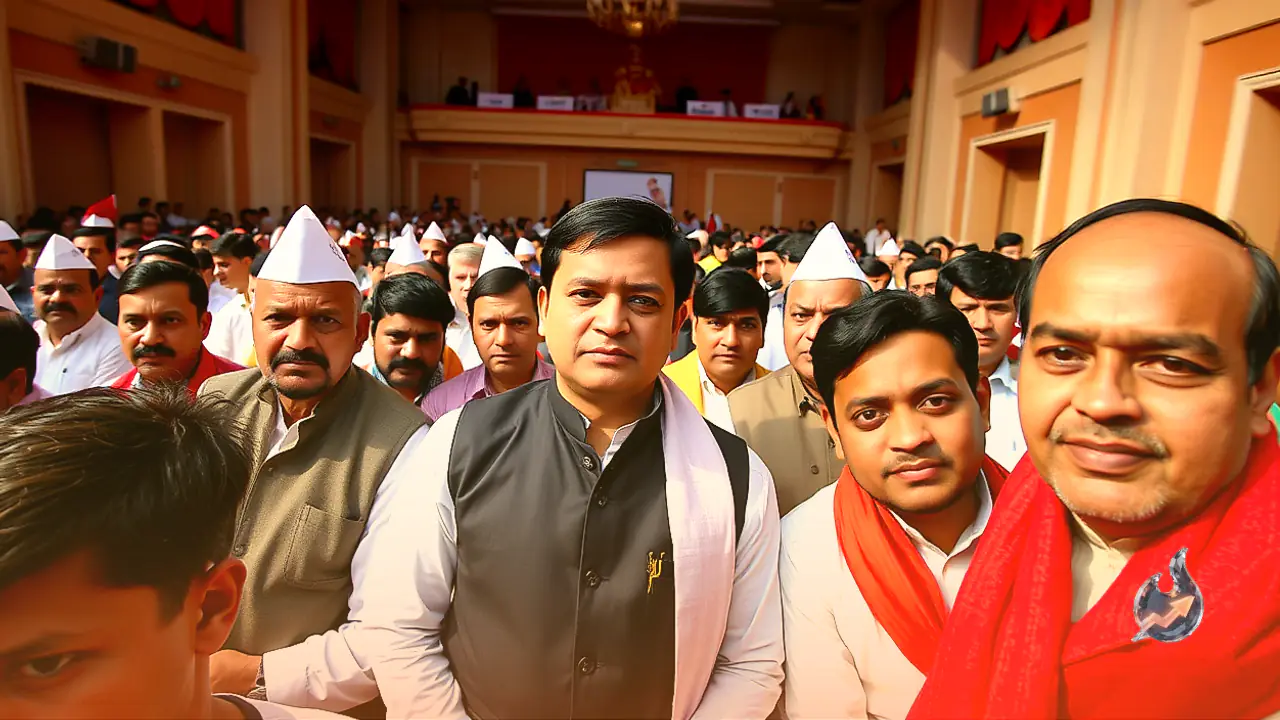
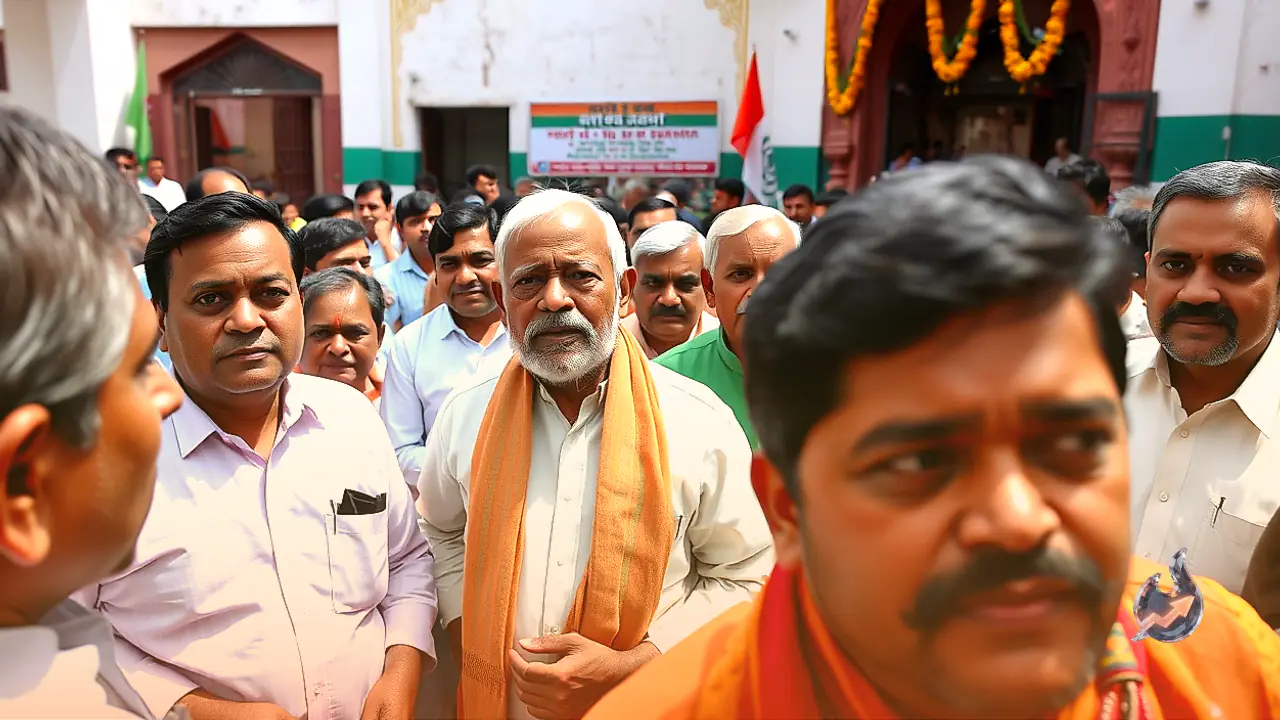

















The Bharatiya Janata Party made a dramatic statement in Uttar Pradesh politics with its latest roster of candidates for the Rajya Sabha. Released on October 5, 2026, the selection of eight candidates featured seasoned figures alongside surprising choices, none more striking than senior advocate Radhakant Ojha, whose name appeared second on the list. The decision raised eyebrows across political corridors because just eleven days earlier, Ojha had suffered a defeat in the Allahabad High Court Bar Association presidential election, finishing in third place. Moving an individual from a disappointing professional ballot straight into Parliament's upper house caught both legal and political observers off guard, triggering widespread curiosity regarding the calculation behind the nomination.
A Legal Career Spanning Nearly Four Decades
Radhakant Ojha has long been recognized as a prominent fixture in the legal community of Prayagraj. His legal journey at the Allahabad High Court commenced in 1987, establishing a foundation that eventually earned him designation as a senior advocate in 2013. Over the decades, Ojha developed a legal practice encompassing constitutional law, civil disputes, criminal litigation, and service matters. Beyond courtroom appearances, he established strong institutional influence by winning election as president of the Allahabad High Court Bar Association on two separate occasions. His first presidential tenure began with a victory in 2015, followed by a second term starting in December 2021. Although his bid for a third presidential term in the 2026 bar elections resulted in a third-place finish, his deep standing among practitioners remained unquestioned.
Deep Ideological Alignment and Organizational Duties
Political observers note that the decision to elevate Ojha is tied to decades of dedicated work within the party's ideological ecosystem rather than immediate electoral metrics. Since his student years, he maintained ties with the Akhil Bharatiya Vidyarthi Parishad and subsequently worked within the Akhil Bharatiya Adhivakta Parishad. He accepted various responsibilities associated with the Rashtriya Swayamsevak Sangh and managed significant legal portfolios for the Bharatiya Janata Party across the Kashi region. The advocate's immediate actions following his nomination underscored this lifelong allegiance. Upon learning of his selection, Ojha proceeded first to the Rashtriya Swayamsevak Sangh regional headquarters in Prayagraj before paying a visit to the Bharatiya Janata Party local office.
Family Lineage and Regional Connections
Ojha comes from a family with established roots in education and state administration. Hailing originally from the Raniganj locality of Pratapgarh district, he has made Prayagraj his primary base for several decades. His father, Ramashankar Ojha, was a respected academician who concluded his professional career as a college principal. Radhakant Ojha is the third among four brothers, several of whom have attained distinction in public life. His elder sibling, Professor Shivakant Ojha, built a prominent career in state governance as an elected legislator and cabinet minister in a Samajwadi Party administration. Another brother, Nishakant Ojha, also retired as a college principal, while another brother oversees organizational initiatives connected to the Sangh abroad.
Mentorship Under Veteran Leader Keshari Nath Tripathi
A crucial element in Ojha's development was his enduring personal and professional relationship with senior Bharatiya Janata Party figure Keshari Nath Tripathi. According to advocate Amaresh Tiwari, a peer familiar with his trajectory, Ojha's relationship with Tripathi originated during the 1977 Phulpur assembly contest. At that time, Tripathi was contesting the legislative seat, while Ojha was a student whose father served as a local college head. That early introduction blossomed into a long-lasting professional camaraderie once Ojha began practicing at the Allahabad High Court, where Tripathi had also stood as a stalwart advocate and bar leader. This sustained association provided Ojha with both legal mentorship and political grounding over decades.
Navigating the Transition from Law to Parliamentary Politics
Despite his extensive credentials in legal administration, Ojha's primary vulnerability remains his lack of conventional mass-electoral experience. He has never served as an elected representative in the legislative assembly or the Lok Sabha. During the general elections, he was widely regarded as a potential contender for the Prayagraj parliamentary constituency, though the party ultimately nominated another candidate. A similar buzz surrounded his name ahead of the 2024 Phulpur assembly contest. Lacking a traditional voter base, his assets instead lie in his extensive legal network, institutional standing, and unswerving ideological fidelity. Ahead of the crucial 2027 Uttar Pradesh state assembly elections, the party leadership is banking on his credibility to bridge legal and civic interests across the Prayagraj and Pratapgarh belt.