


















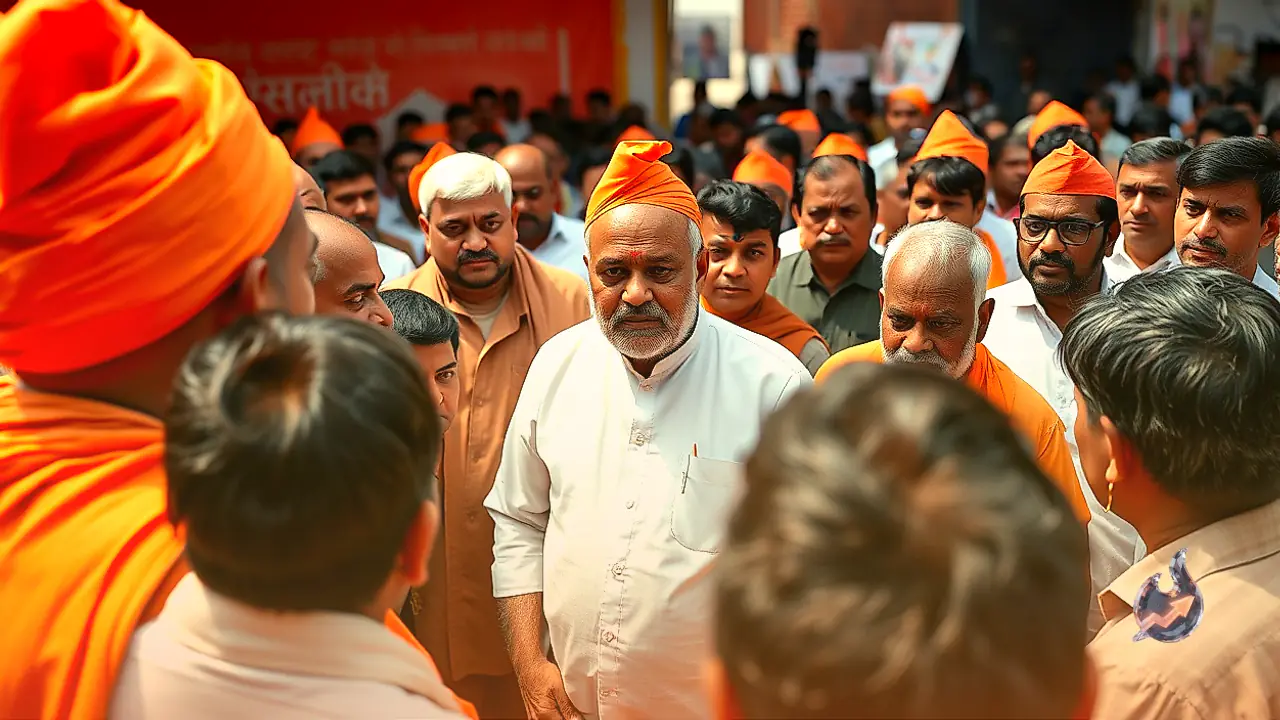

Speaking at a teacher-graduate conference in Varanasi, Chief Minister Yogi Adityanath mounted a scathing attack on the Samajwadi Party and its PDA formulation. Taking aim at the opposition party, he asserted that their proclaimed social coalition formula ultimately amounted to family empowerment and capturing others' resources. Throughout his address, the Chief Minister drew attention to alleged irregularities in public service recruitment during previous regimes as well as recent decisions regarding legislative council and parliamentary nominations.
Sharpened Criticism Over Rajya Sabha Nominations and Political Slogans
Addressing the gathering, Chief Minister Yogi Adityanath offered his own interpretation of the opposition party's widely touted PDA narrative. He remarked that it had been apparent from the beginning that the phrase effectively stood for Parivar Development Authority or claiming ownership over others' wealth. Pointing directly to the allocation of Rajya Sabha nominations, he questioned where the commitment to their political formula vanished when distributing coveted legislative tickets.
The Chief Minister noted that the party chose two candidates, reserving one nomination directly for an uncle. He asked why an ordinary local representative from Varanasi, Ghazipur, or Ballia was not considered if representation was truly the goal. He added that the second seat could have gone to a Dalit candidate or an individual from their traditional minority voter base. Instead, he alleged that the second ticket was handed to a wealthy businessman from Mumbai, thereby proving the focus on familial privilege and financial gain.
Scrutiny of Past Recruitment Commissions and Administrative Irregularities
Turning his focus to administrative governance, the Chief Minister criticized the appointments made to recruitment commissions under the Samajwadi Party administration. He pointed out that Anil Yadav had been appointed head of the recruitment board despite lacking the necessary qualifications for such a sensitive role. Under that tenure, he argued, the Uttar Pradesh Public Service Commission saw severe irregularities in examination outcomes.
He cited the instance of an individual who secured the top rank in the state civil service examination despite having achieved only third division marks across high school, intermediate, and undergraduate degrees. Yogi Adityanath asserted that such practices reflected widespread lawlessness and hooliganism, directly jeopardizing the career aspirations of hardworking youth. He maintained that riots, unrest, and criminal syndicates dominated the state during that era, eroding institutional credibility.
Allegations Surrounding Family Networks and Nepotism in Jobs
The Chief Minister further asserted that the youth faced severe hardship during the Samajwadi Party tenure because the administration lacked direction and genuine intent for development. Without constructive governance, he remarked, the decline of opportunities for the common public was inevitable.
He stated that key recruitment positions were deliberately staffed with members tied to a single influential family circle. According to him, vacancies were announced through these connected figures, after which an uncle-nephew duo would engage in extortion and arbitrary selections. The Chief Minister claimed that outside this Saifai syndicate, no ordinary or qualified candidate could secure a public employment position purely on merit.
Nine-Year Employment Track Record and the Six-Month Target
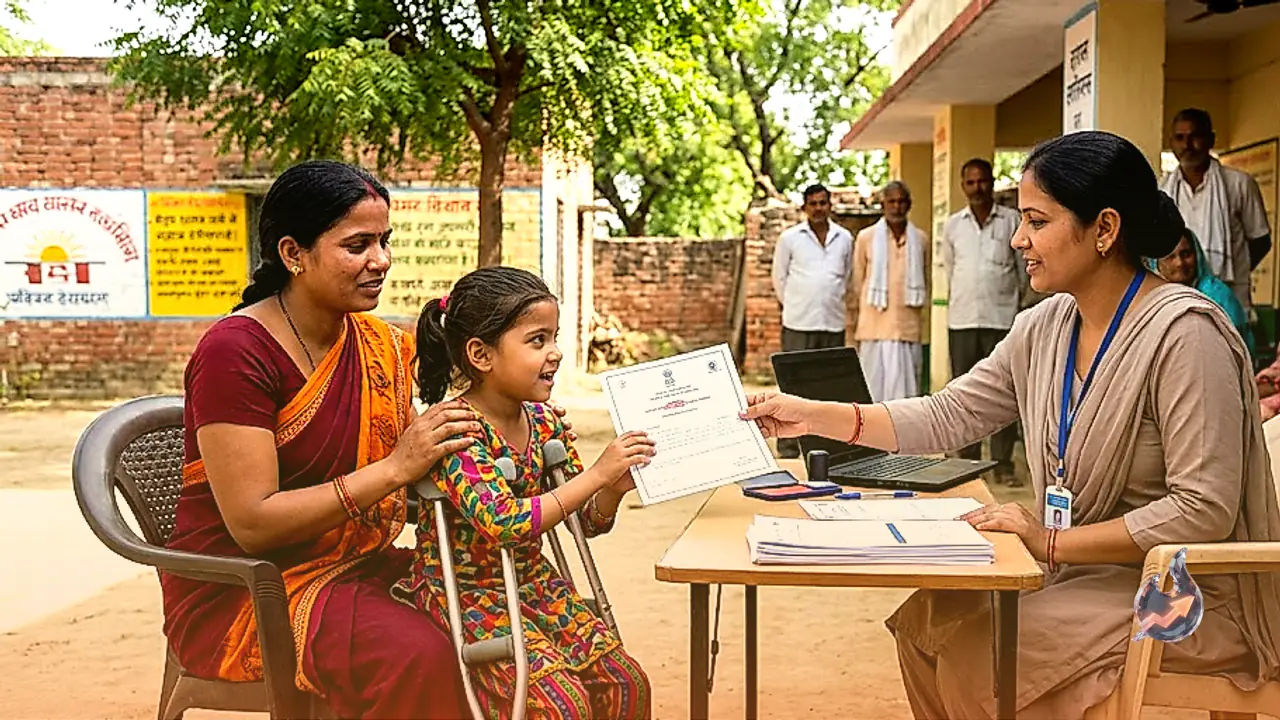
Highlighting his administration's performance, Chief Minister Yogi Adityanath pointed to the achievements of the double-engine governance model over the past nine years. He stated that nine and a half lakh youths across Uttar Pradesh have received government appointment letters through transparent mechanisms during this period.
Addressing queries regarding the future schedule for appointment drives, the Chief Minister outlined an ambitious timeline for upcoming recruitments. He announced that over the next six months, the state administration is slated to distribute appointment letters to an additional one lakh youths, reinforcing an emphasis on merit-based public service hiring.