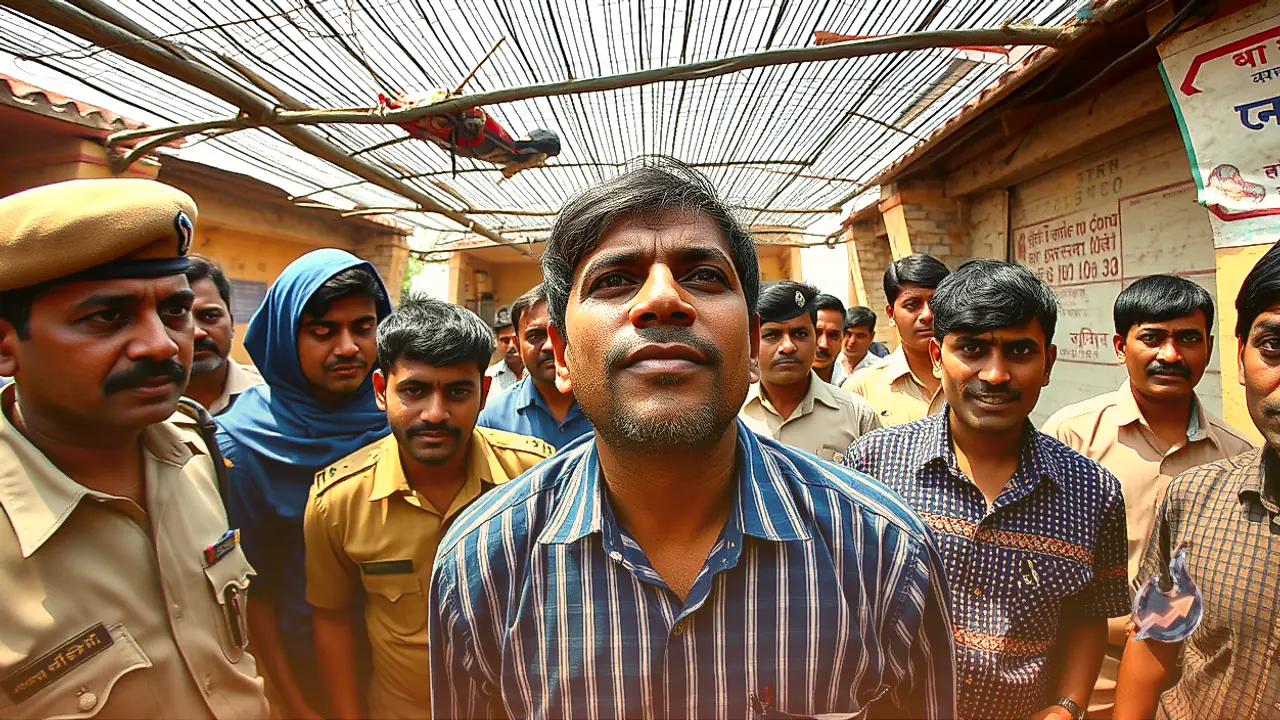























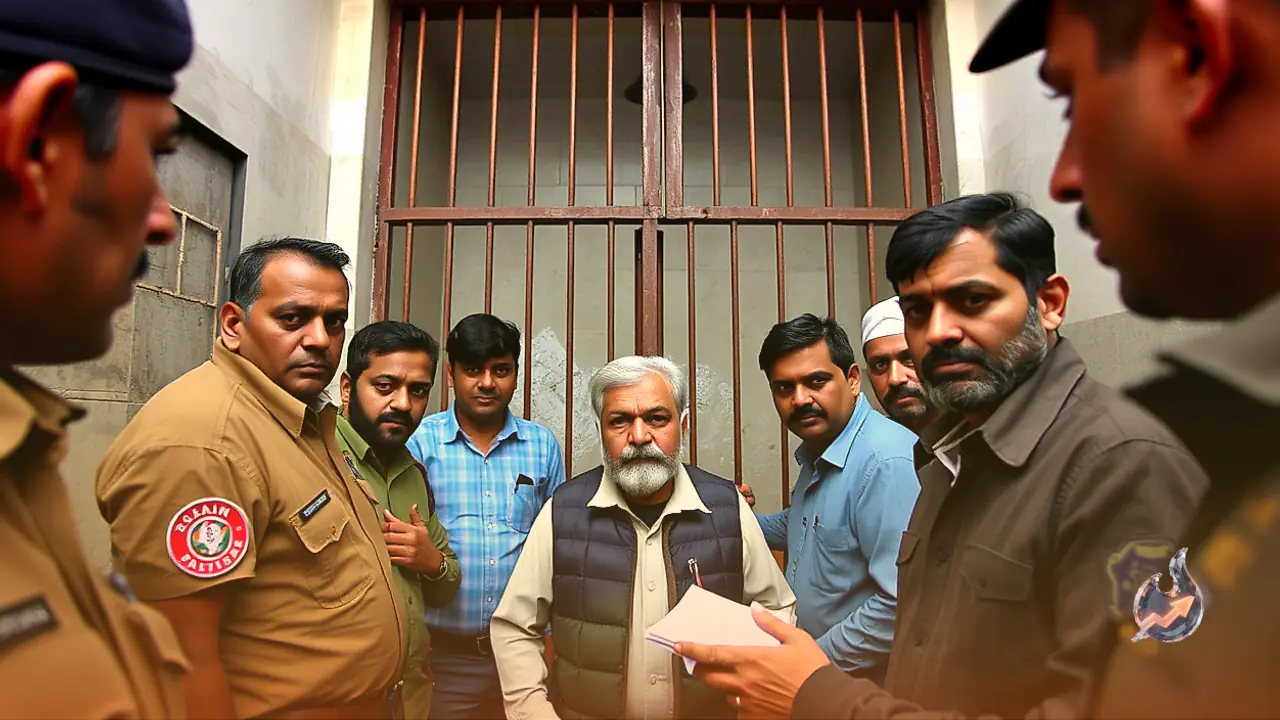

Rampur: Legal troubles for senior Samajwadi Party leader Azam Khan escalated further as an Enforcement Directorate team arrived at Rampur Jail on Tuesday morning. According to available details, the probe agency officials entered the jail premises at around 9 am, immediately commencing the interrogation process with Azam Khan. This major development has significantly heightened political and administrative activity across the district.
The central focus of the investigation revolves around the Jauhar University and its associated trust. The ongoing questioning builds upon facts gathered during previous phases of the probe. Earlier, investigators had questioned several individuals considered close to Azam Khan, including Samajwadi Party MLA Naseer Ahmad Khan. Authorities are utilizing the evidence and statements gathered from those earlier sessions to question Azam Khan directly. However, official confirmation regarding the specific lines of questioning or any breakthrough details remains unavailable.
Probe Team Arrives Early at Jail
Reports indicate that the ED team reached Rampur Jail around 9 am. Once inside the facility, questioning commenced without delay. The expected duration of the interrogation sessions and the subsequent steps the investigating agency plans to take have not been officially disclosed. Meanwhile, sources suggest that the ED team might stay in Rampur for multiple days and could potentially visit the Jauhar University campus. If required, Tazeen Fatema could also face questioning as part of the proceedings. This entire action forms part of a broader inquiry into the establishment and management of the university and trust, with officials examining various angles.
Jauhar University and Trust Controversy
Azam Khan and the Jauhar University project have remained subjects of intense political discussion and legal scrutiny for an extended period. Located in Rampur, the university has been closely tied to Khan, who played a principal role in its founding. Legal and investigative procedures concerning the trust and the educational institution have unfolded across various platforms over the years. The current round of questioning is understood to be an extension of these ongoing proceedings, driven by documents and statements collected by the agency.