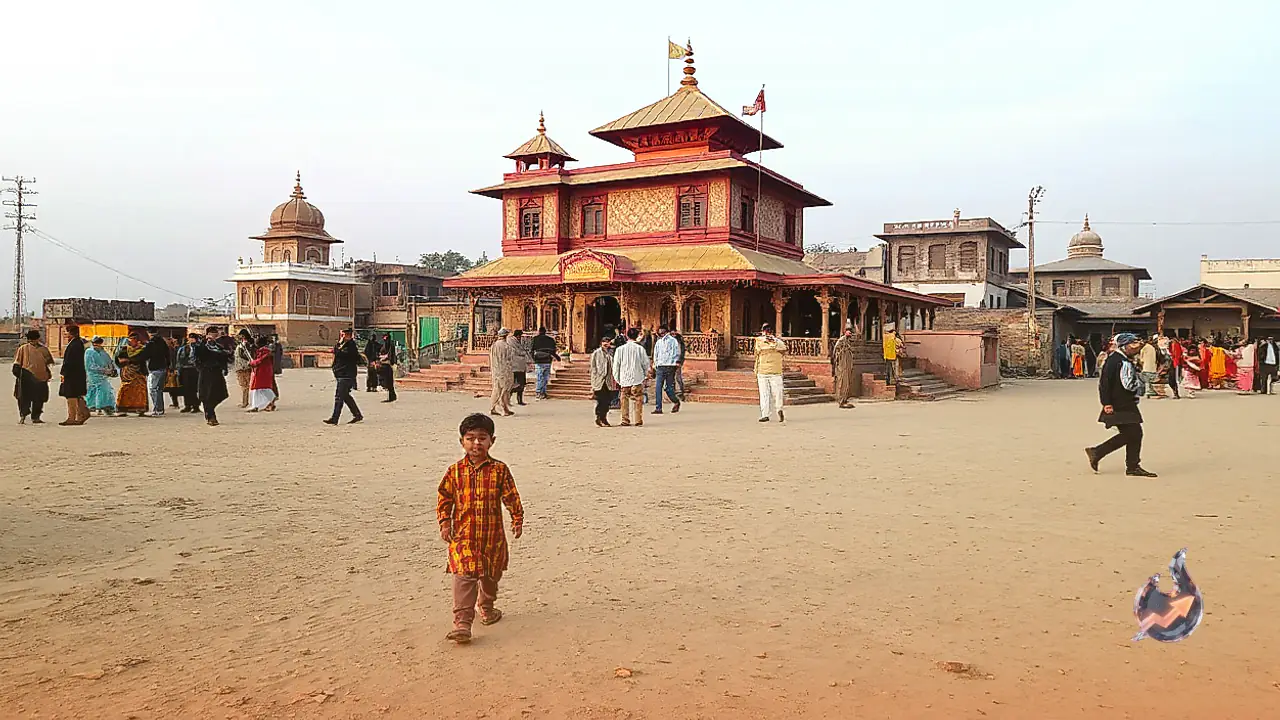

The pages of Uttarakhand's freedom struggle hold a prominent place for a historic uprising in Bageshwar where common citizens united to challenge oppressive British administrative practices. Public anger against the exploitative labor systems had been brewing across the hill regions for a long time. This watershed protest shook the foundations of British authority without a single drop of blood being shed, marking a unique chapter in the nation's struggle for independence.
Understanding the Kuli Begar and Forced Labor Systems
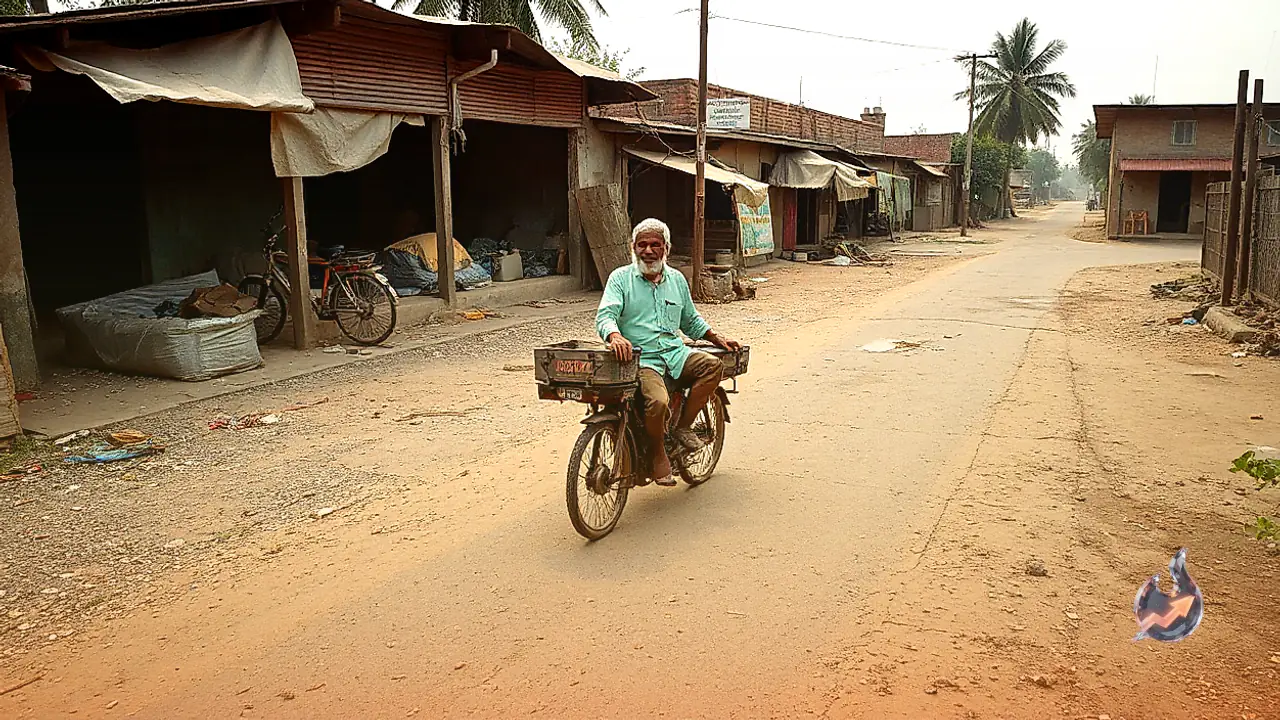
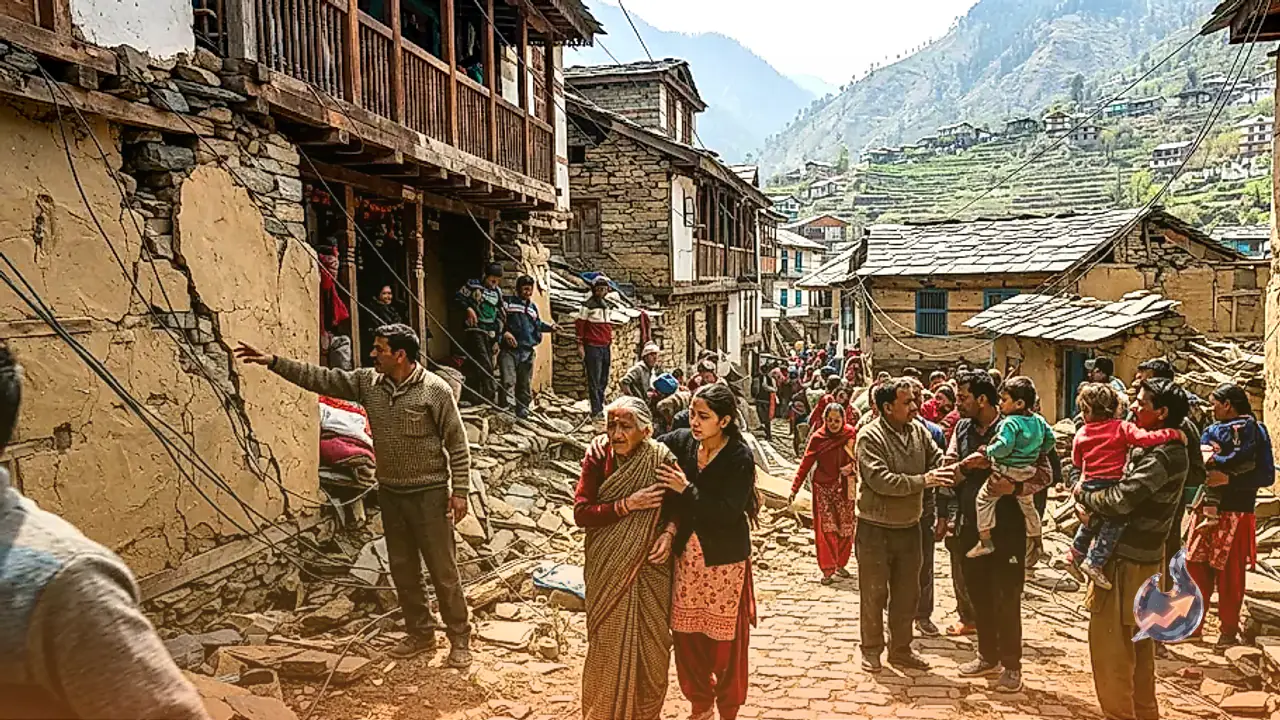
According to Dulip Khetwal, rural residents faced severe hardships under British rule due to mandatory unpaid labor arrangements known as Kuli Begar. Local inhabitants were forced to transport heavy luggage for British officials and staff without receiving any remuneration whatsoever. Villagers had to abandon their agricultural duties and domestic responsibilities to report for official service whenever commanded. Specific names of villagers were meticulously recorded in administrative registers to maintain this system. Additional burdens were similarly imposed through related practices like Kuli Utar and Bardayish, which placed continuous strain on the local population.
The Spark of Revolution at the Uttarayani Fair
Frustration against the persistent injustice had been steadily mounting among people who endured the exploitation for years. Local awareness campaigns began to gain momentum with the goal of eradicating the system completely. Prominent figures including Badri Dutt Pant, Hargovind Pant, and Victor Mohan Joshi played vital roles in organizing the populace. The Uttarayani fair was strategically chosen as the ideal platform to scale up the agitation. On January 14, 1921, thousands of individuals traveled from remote villages to converge on Bageshwar, filling the Saryu Bagad ground with an immense gathering.
Submerging the Registers of Enslavement in the Saryu River
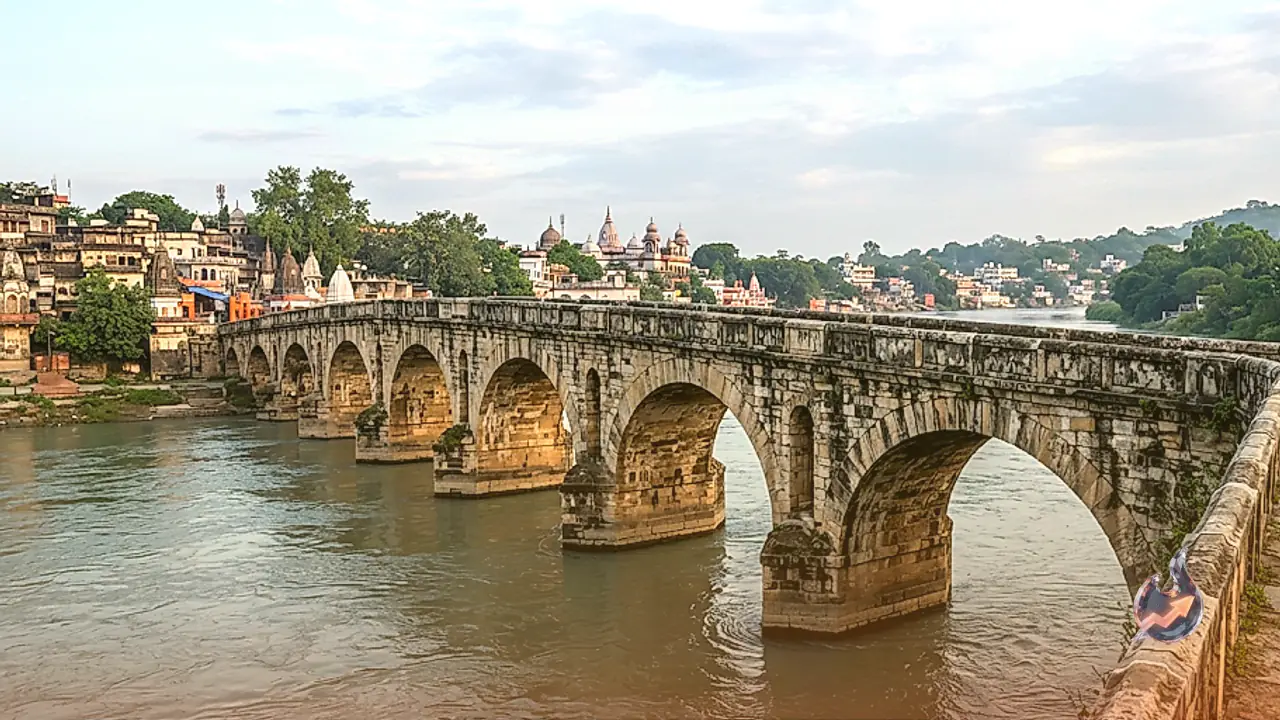
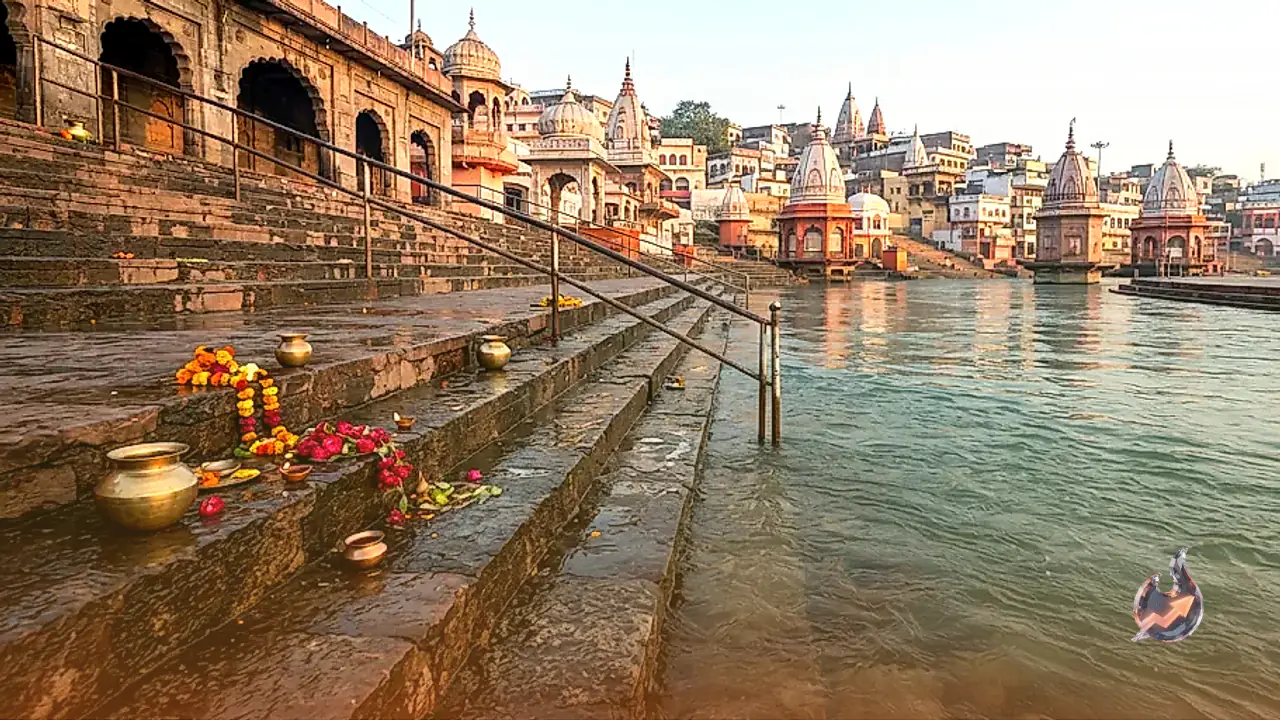
During the massive public assembly, the crowd took a solemn vow before the Bagnath temple and the sacred Saryu River never to comply with Kuli Begar under any circumstances. Following this pledge, the official registers containing the names of villagers designated for forced labor were thrown into the Saryu River. This event became a powerful demonstration of collective public strength against colonial rule. A notable aspect of the protest was its entirely non-violent nature, as thousands challenged an unjust government without resorting to any acts of aggression.
Mahatma Gandhi's Description of a Bloodless Revolution
The impact of this mass uprising extended far beyond Bageshwar, gradually spreading across the entire Kumaon region. Awareness regarding fundamental rights surged among the public, leading to widespread resistance against labor exploitation. Mahatma Gandhi was deeply moved by the movement in Bageshwar and famously designated it a bloodless revolution. Key leader Badri Dutt Pant earned widespread recognition as the Kumaon Kesari for his contributions. The movement demonstrated conclusively that united ordinary citizens possess the power to challenge even the most entrenched authorities.
Saryu Bagad as a Source of Inspiration for Future Generations
The Saryu Bagad in Bageshwar continues to commemorate this historic event to this day. The annual Uttarayani fair held every Makar Sankranti remains deeply connected to this glorious heritage. Visitors to the site reflect upon the momentous occasion when thousands raised a collective voice against subjugation. The Kuli Begar movement remains an enduring milestone in Uttarakhand's freedom movement, inspiring upcoming generations to value unity, self-respect, and resistance against injustice.