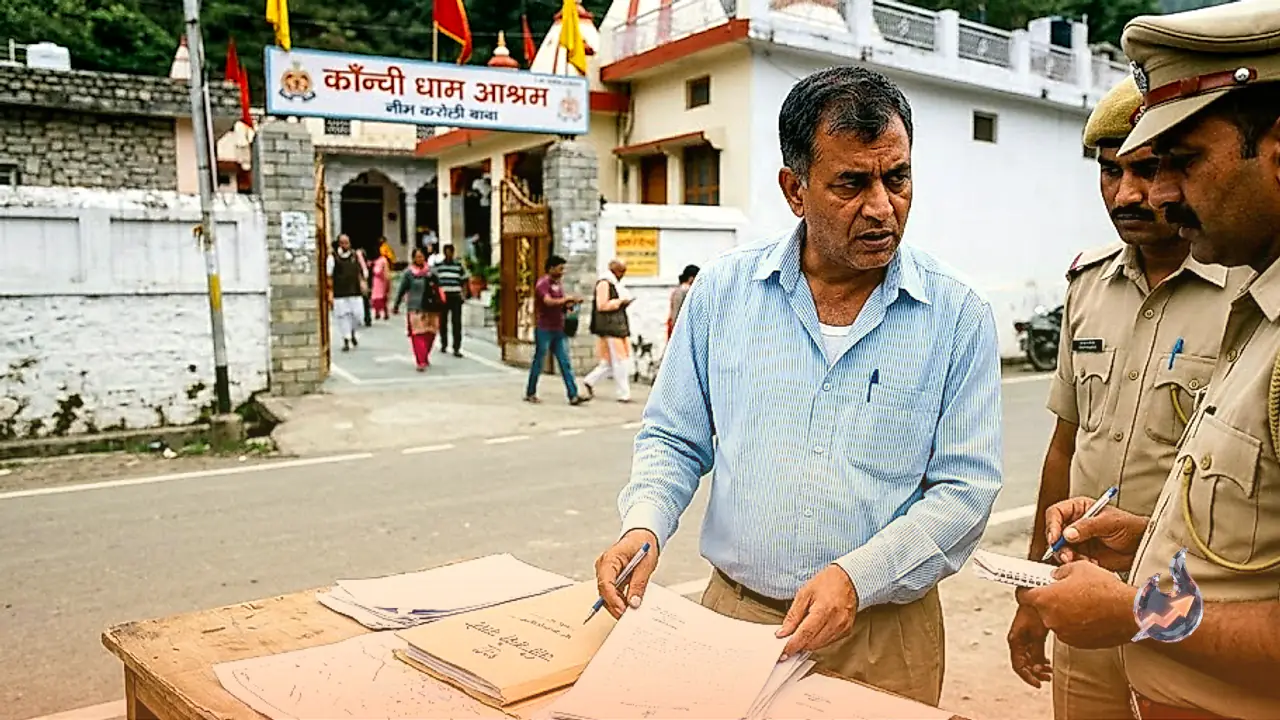





















Across the tranquil mountain ridges of Uttarakhand, the spiritual presence of Neem Karoli Baba remains deeply felt. While Kainchi Dham now commands international reverence, few travelers know that Bhumiadhar, nestled near Nainital, served as the revered guru's initial center of meditation and devotion. Encircled by oak and deodar forests, this peaceful Himalayan sanctuary continues to draw thousands of pilgrims seeking solace and heritage.
Foundation of the Bhumiadhar Sanctuary
Bhumiadhar sits prominently at the intersection connecting Bhowali, Bhimtal, and Nainital within the Nainital district. Historical records show that the formal establishment of Baba's ashram took place in the early 1960s, around 1962. However, the sage had established a deep connection with this quiet hillside long before any buildings were constructed.
Kishori Lal, an elderly local resident, recalls catching his first glimpse of Maharaj ji around 1951-52 when he was only 9 years old. According to him, community elders laid the foundation stones of the local Hanuman temple under the direct guidance and instruction of the spiritual teacher. Hidden amidst towering woodland trees, the spot offered the complete seclusion required for intense contemplative practices.
The Sacred Forest Spring and Pipeline Connection
Among the traditions surrounding Neem Karoli Baba at Bhumiadhar, a natural forest water source occupies a central place. Followers recount that during his stays at the hermitage, Baba drank exclusively from a pure freshwater spring located in the forest directly above the shrine. The affinity for this specific water was so strong that even after he relocated to Kainchi Dham, devoted disciples routinely transported this forest spring water on horseback across the mountain trails for his daily consumption.
As years passed, local infrastructure evolved to accommodate the community. A dedicated pipeline now brings water directly from that primary hillside source down to the front of the temple complex. Today, this system not only serves visiting pilgrims who come to collect holy water but also supplies freshwater to the entire village of Bhumiadhar.
Folk Legends of Healing and Epidemic Relief
While natural Himalayan mountain streams are universally valued for purity, the spring at Bhumiadhar holds exceptional spiritual value for believers. Villagers hold a firm conviction that drinking this water regularly alleviates illnesses and chronic ailments. Kunal Madhav Mishra, a dedicated researcher exploring the life and traditions of Neem Karoli Baba, notes that water sources frequently feature in anecdotes associated with the spiritual master.
A well-known historical episode recounts a devastating epidemic that once struck the Bhumiadhar vicinity, causing widespread dread among households. Desperate for relief, the frightened inhabitants turned to Baba for protection. He instructed them to gather water from this uphill forest spring, blend it with sacred Tulsi leaves, and distribute it among the stricken villagers. Following this remedy, the epidemic subsided, leaving an enduring impression of the master's compassion and healing grace.
A Vital Pilgrimage Extension from Kainchi Dham
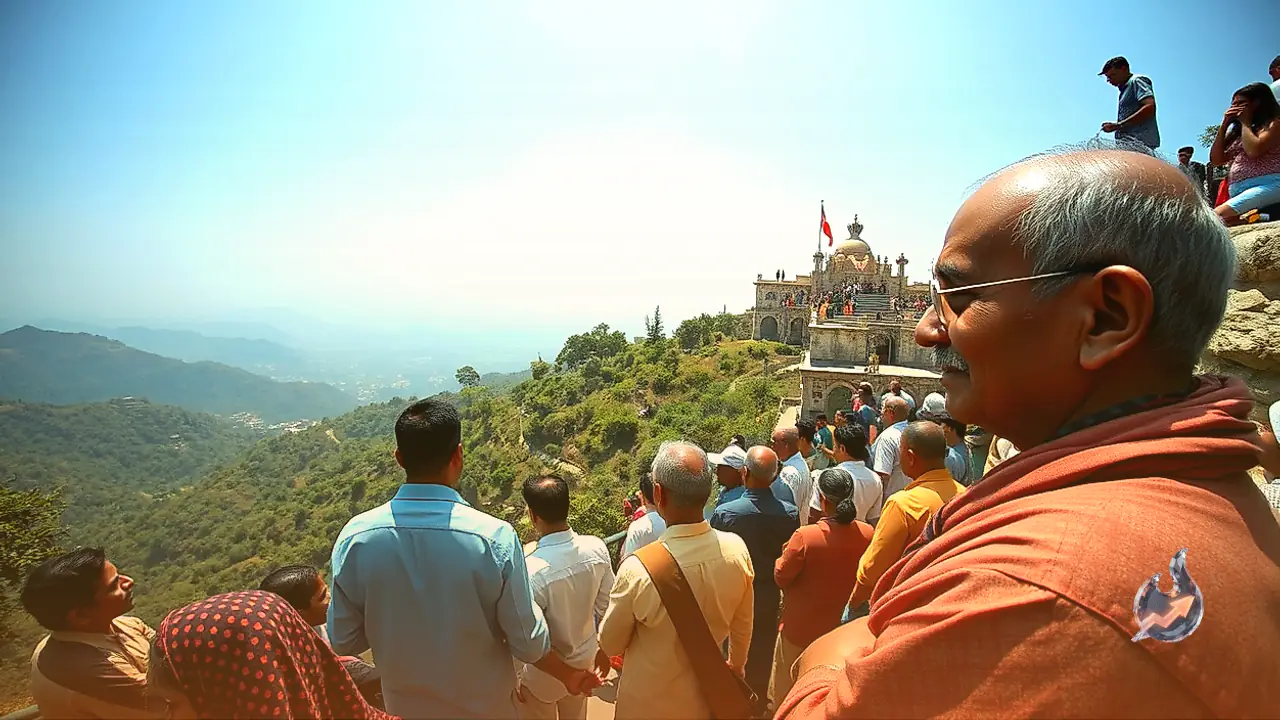
Geographically, Bhumiadhar is situated approximately 10 kilometers from Bhowali and only 8 kilometers from Kainchi Dham. Given its proximity, countless devotees visiting Kainchi Dham make a point to include Bhumiadhar on their itinerary to witness the origins of the sage's spiritual mission. Surrounded by quiet pine groves and ringing temple chimes, pilgrims bow before the altar and treat every drop from the spring not merely as hydration, but as direct spiritual blessing.