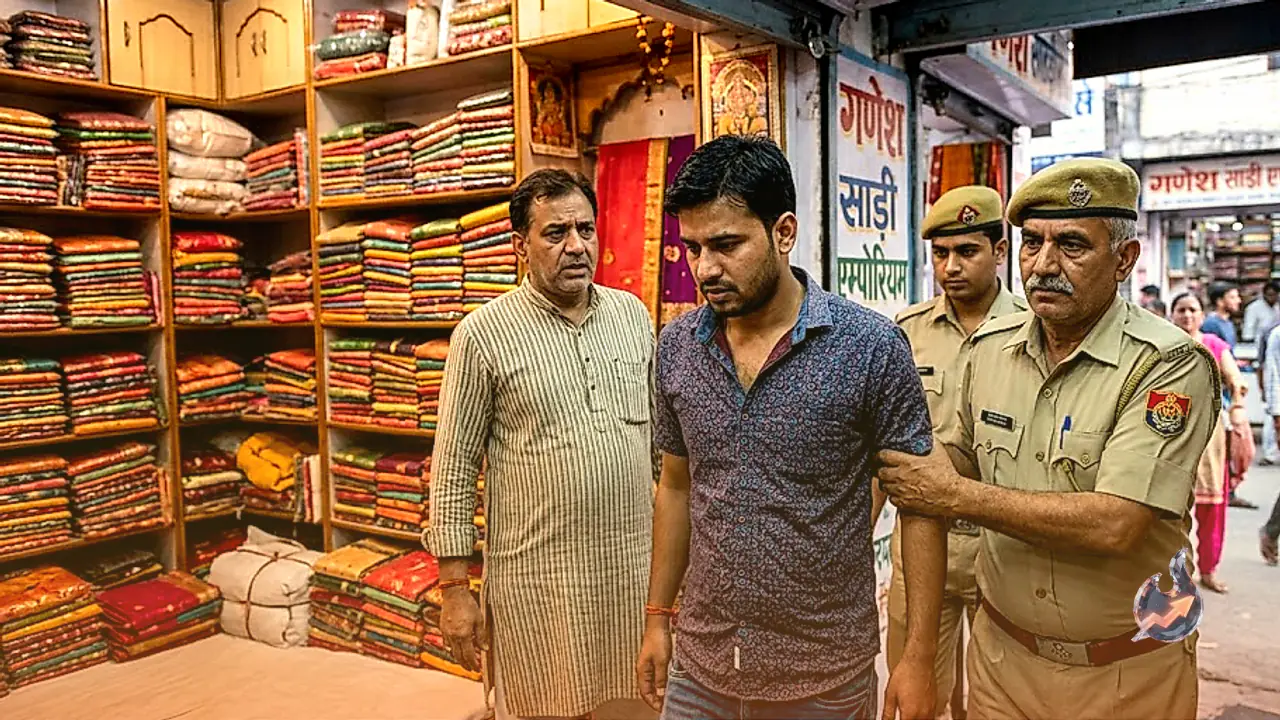
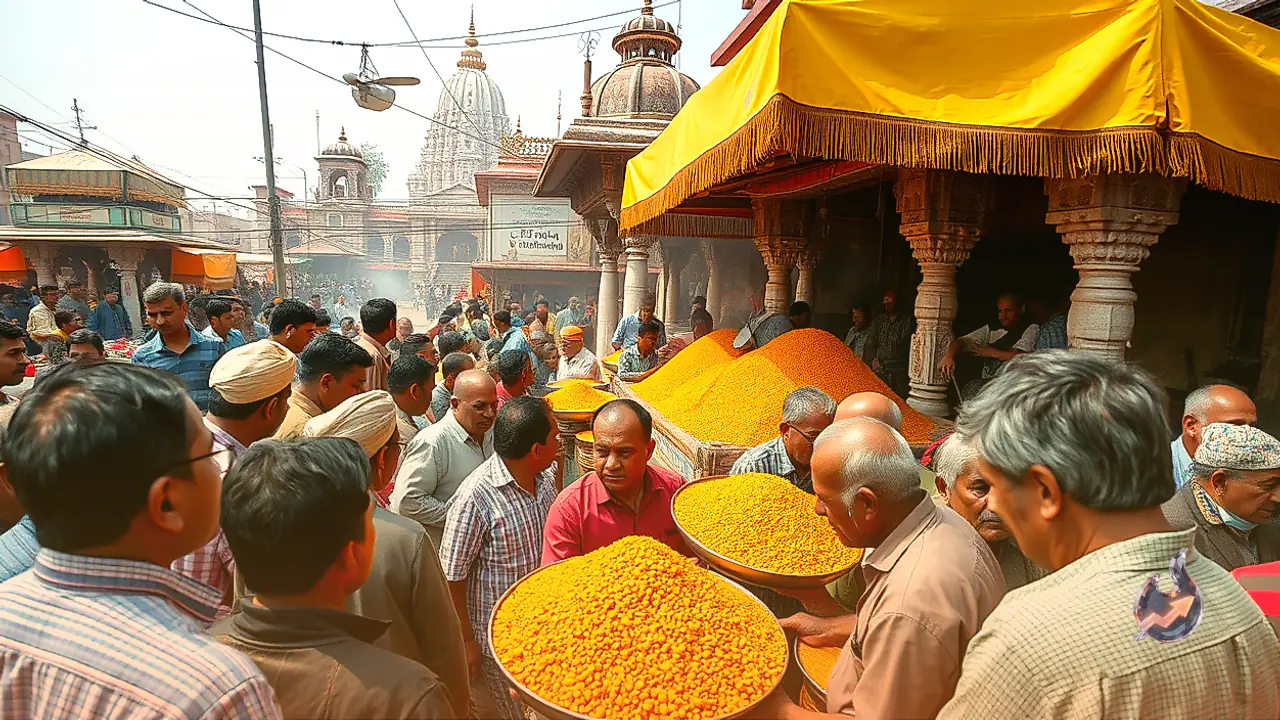

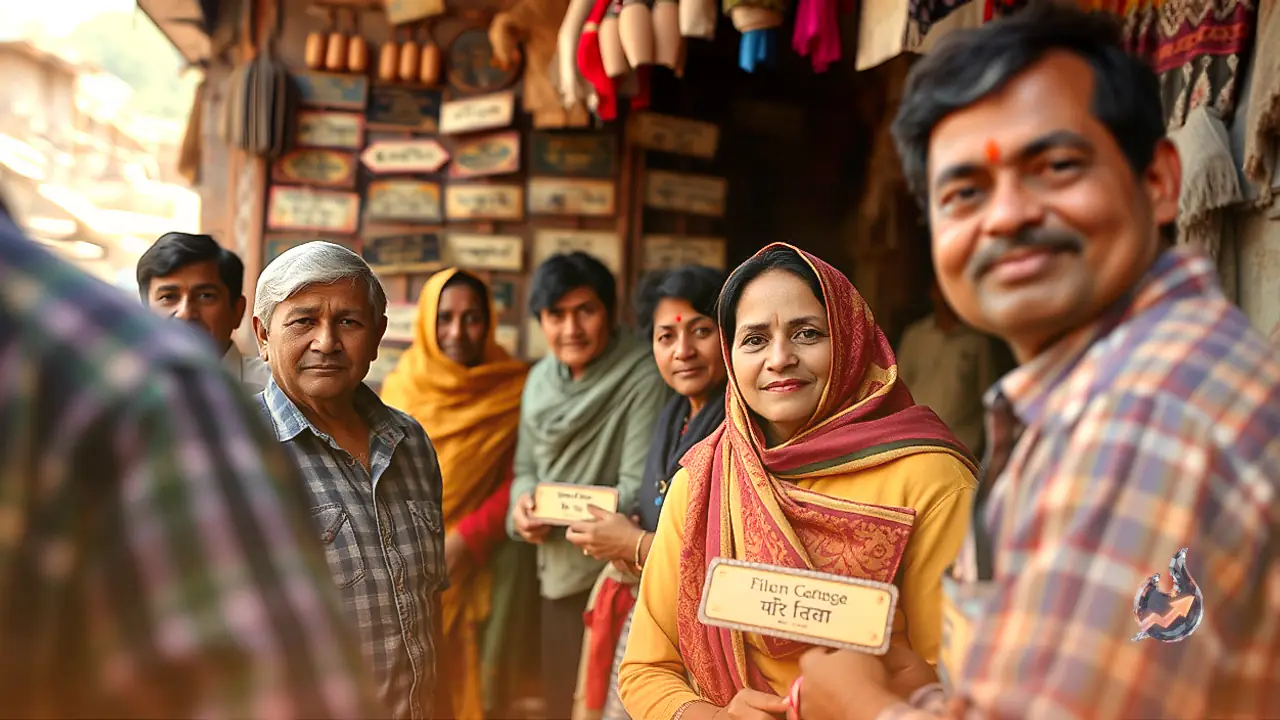
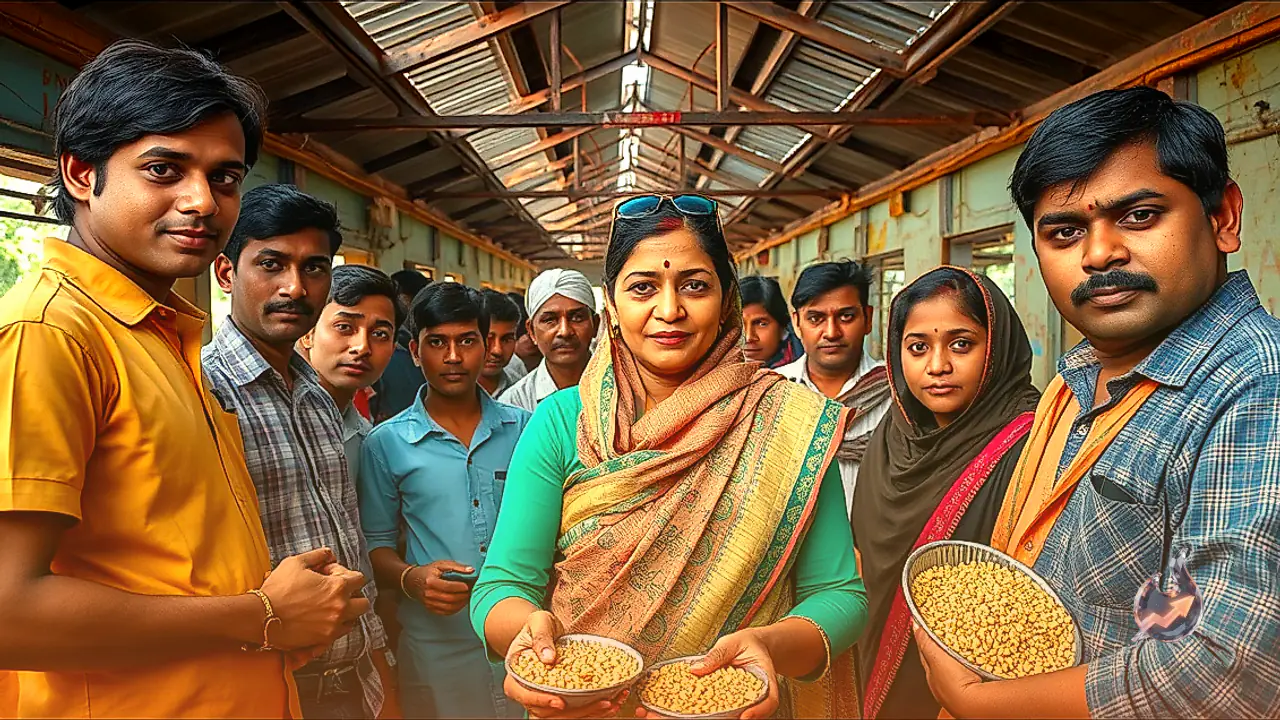














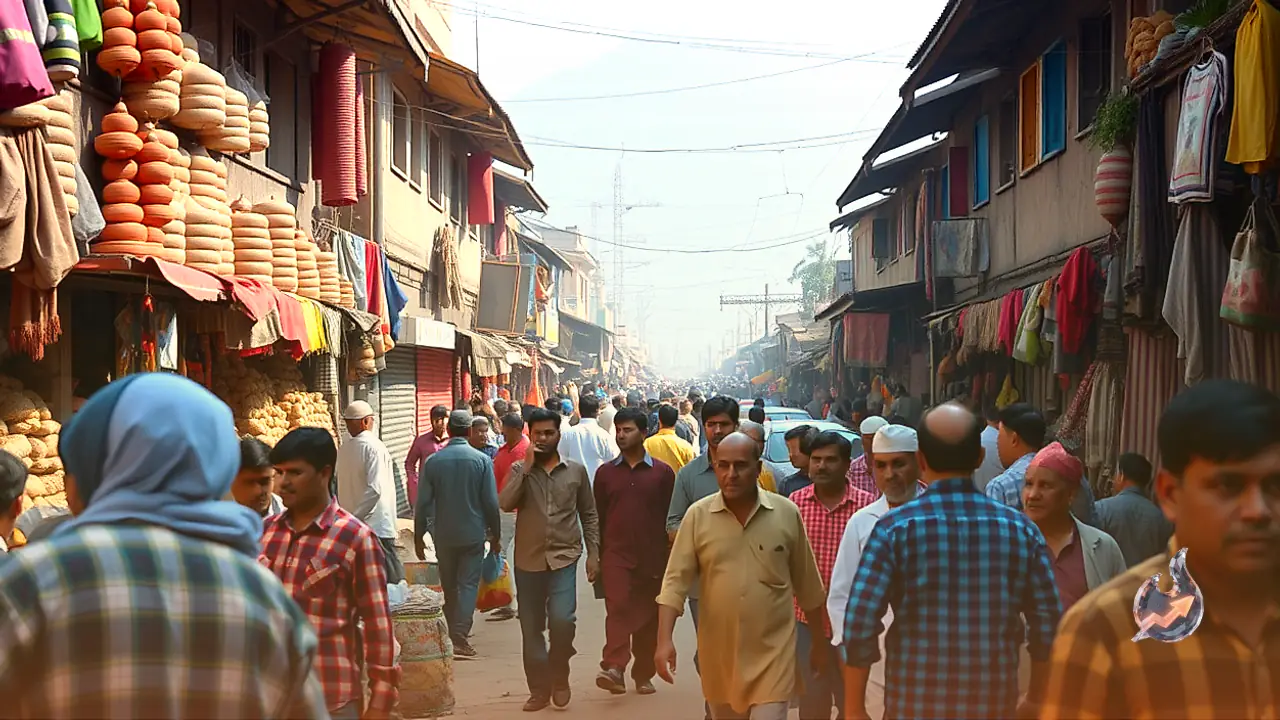

While the holy city of Haridwar is internationally renowned for its sacred bathing ghats along the Ganga, ancient shrines, and ascetic traditions, it also nurtures a profound merchant heritage that dates back generations. The vibrant Chowk Bazaar situated in the Jwalapur quarter stands as the beating heart of this enduring commercial legacy. Framed by narrow lanes and heritage storefronts, the historic market bustles with heavy footfall from dawn until dusk. From everyday staples and cookware to apparel, footwear, and rare herbal formulations, visitors can find every household requirement concentrated within a single enclave.
The Primary Wholesale Center Sustained by Consumer Trust
Regarded as the oldest and most extensive trading hub in Haridwar, Chowk Bazaar serves as a major commerce focal point for rural villages and urban neighborhoods alike. The market seamlessly accommodates both massive wholesale operations and individual retail counters. Longtime traders credit their multi-generational customer loyalty to a steadfast commitment to high product quality paired with economical pricing. Independent shop owners from adjoining districts frequently travel here to purchase inventory in bulk, keeping the surrounding lanes lively with the transfer of packed goods.
Generations Preserving Ancestral Storefronts
Senior merchant Bhushan Kumar, who was born in 1950, recalls that his grandfather and great-grandfather were trading at this very site long before his own birth. According to him, Jwalapur Chowk Bazaar ranks among the earliest commercial settlements in Haridwar, where families have steadily operated their shops across multiple generations. Kumar notes that over the decades, numerous peripheral shopping alleys sprouted outward from the central junction, widening the trade perimeter. Nevertheless, when townspeople and rural shoppers need to secure bulk purchases, Chowk Bazaar remains their first port of call.
Colonial Origins and the Transition from Cobblestone
Fellow trader Puneet Mehta points out that the hub was originally referred to as Jhanda Chowk Bazaar during the era of British rule. That dual infrastructure of bulk trading and single-item retail has endured uninterrupted ever since. Mehta emphasizes that the market's primary appeal lies in giving consumers access to reliable merchandise at prices that remain easy on the pocket. Several storied establishments anchor the area, including venerable names such as Gupta Chemical, Jiyalal, and Kabool Chand Mehta. Shoppers can purchase everything from cosmetics, grocery staples, edible oils, refined oil, clarified butter, and processed sugars to pickles, preserves, utensils, garments, and traditional remedies. He also notes that the physical infrastructure has modernized over time, shifting from early stone pavements to sturdy concrete roads.
Evolution from a Grain Market into a Universal Trading Hub
Merchant Saurabh Kumar, who was also born into this lively marketplace, explains that the intersection once functioned primarily as an agricultural grain exchange. Since the colonial period, specialized outlets dealing in cookware, household utilities, and indigenous medicines have maintained an uninterrupted presence. Over time, fresh wholesale establishments emerged alongside traditional vendors. Kumar observes that because the marketplace has operated for so long, deep mutual goodwill has developed between shopkeepers and regular families. Furthermore, buyers often discover specialized goods here that are practically unavailable in conventional city markets, cementing Jwalapur's enduring regional reputation.
Abundant Variety and Enduring Value Across Decades
Trader Nilesh Gupta explains that the legendary Jhanda Chowk marketplace spans between 100 and 150 years of continuous commercial activity, originating during the British regime. The market houses dedicated wholesale distributors for virtually every category of consumer goods. Gupta explains, "Because good quality items are available at low prices, customers come from far away." He notes that once a patron experiences the sheer range offered here, they rarely feel the need to look anywhere else for their domestic supplies.
A High-Volume Business Model Rooted in Low Margins
Retaining its vintage ambiance despite urban shifts, the historic marketplace proves that traditional trade arteries remain vital even in an era dominated by large retail chains. The constant influx of customers seeking clothing, kitchenware, shoes, groceries, and herbal remedies underscores the district's continuous appeal. Traders explain that the market has historically flourished by maintaining tight profit margins to drive high-volume sales. This disciplined commercial philosophy has preserved an unbreakable bond between Haridwar consumers and the timeless alleyways of Chowk Bazaar across generations.