



















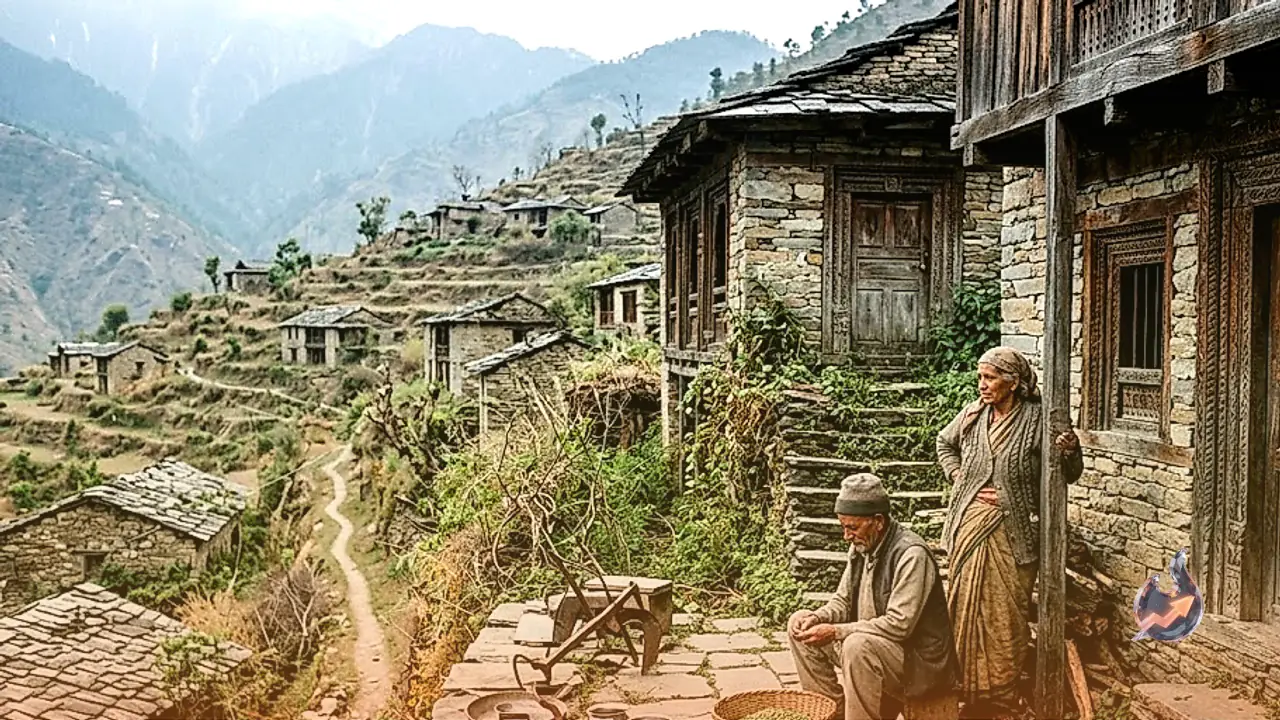

Rural life across the hilly terrains of Bageshwar and the wider Kumaon division in Uttarakhand has undergone a dramatic transformation over the past few decades. There was a time when mornings began with the gentle chiming of cattle bells, the bustling chatter of women, farmers toiling in green terraces, and the joyous laughter of children playing outdoors. Every household witnessed frequent visits from neighbors, and collective community gatherings formed the very core of mountain existence. Today, however, that familiar picture is fading rapidly. Driven by the search for employment, quality education, and better civic facilities, young people and entire families are migrating toward urban centers, leaving an unmistakable mark on village populations, agriculture, and traditional lifestyles.
When Every Household Thrived with Life
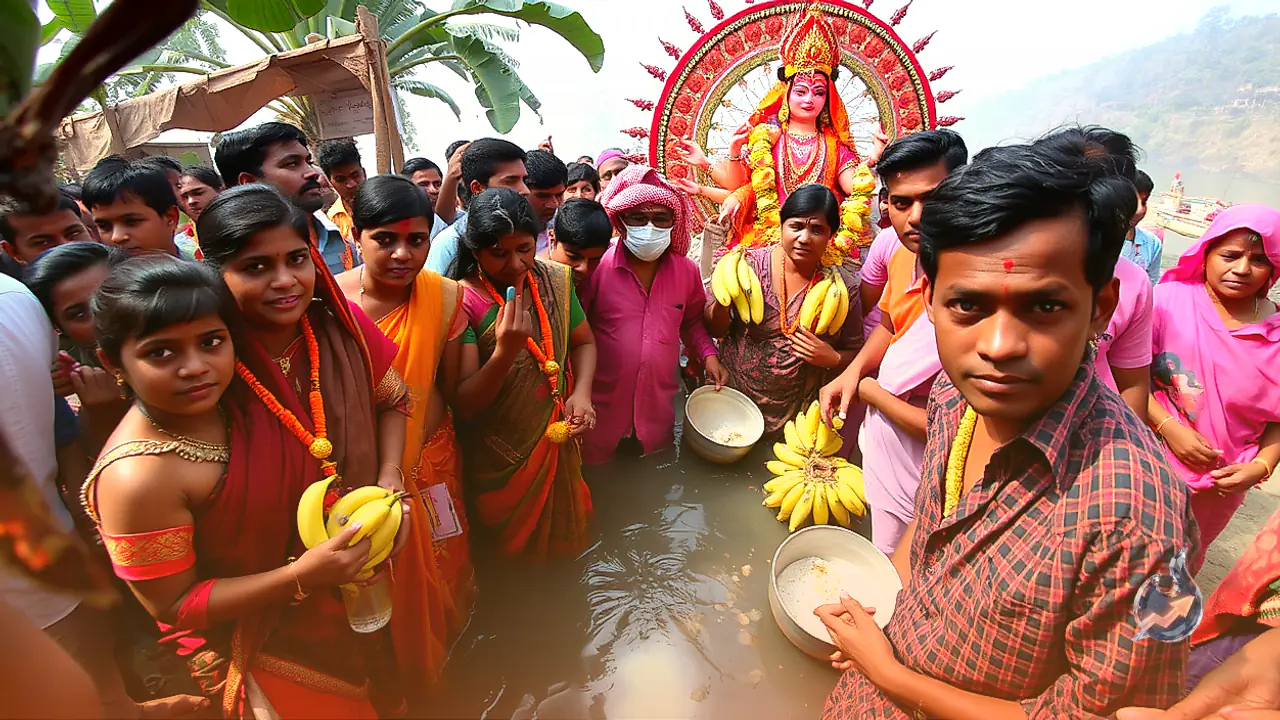
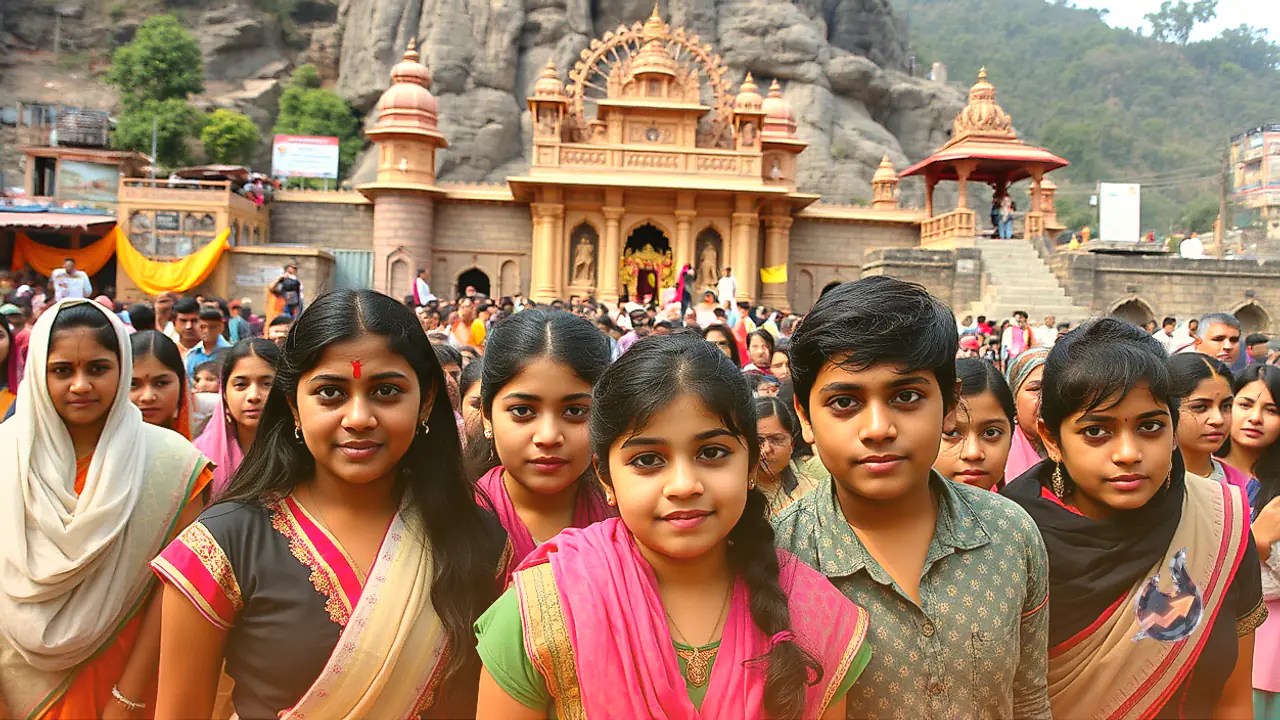
Local observers point out that while basic physical comforts were sparse in earlier times, social bonds among mountain communities remained remarkably resilient. People stood by one another through both joy and sorrow. Marriages, festivals, and religious ceremonies brought entire villages together like a single extended family. During sowing and harvesting seasons, neighbors pooled their labor to work the fields collectively. Traditional folk songs sung by women, children's games, and elders gathering at village courtyards were permanent fixtures of daily routines. Although modern amenities such as roads, electricity, safe drinking water, and healthcare were hard to reach back then, residents sustained themselves comfortably through local resources, traditional farming, and livestock rearing.
Agriculture and Animal Husbandry as the Economic Bedrock
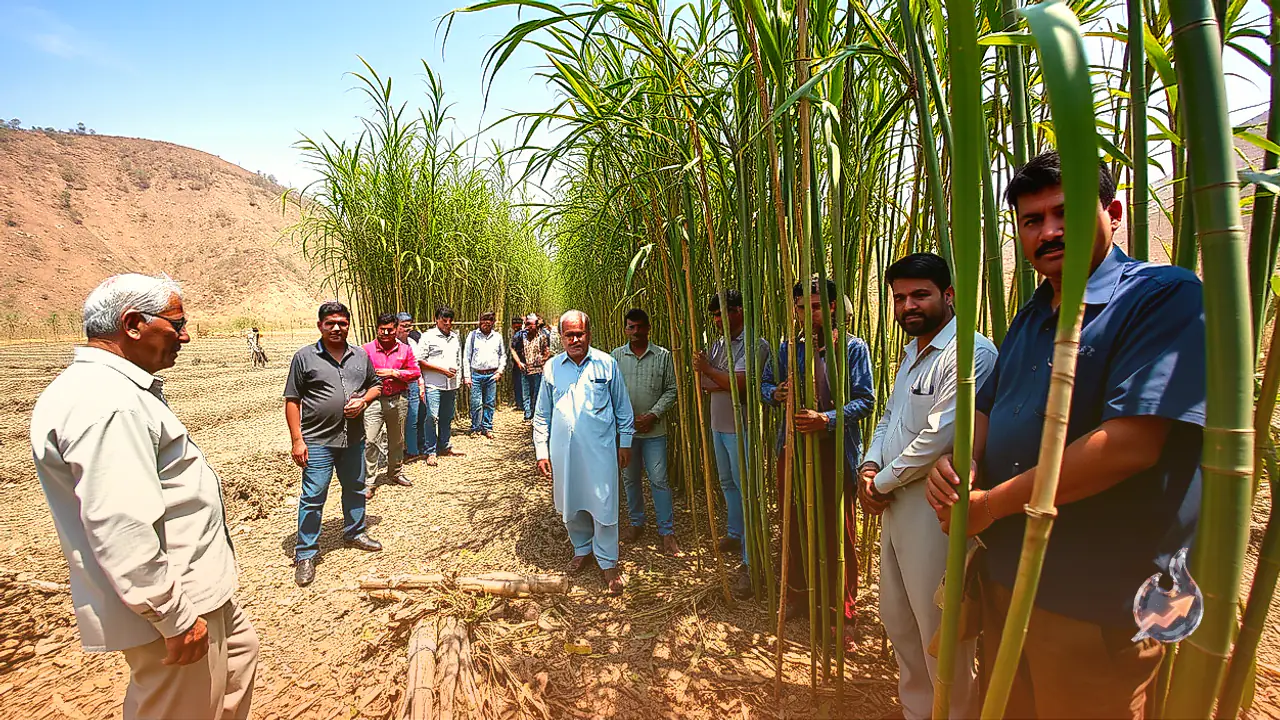
Farming and animal husbandry played a foundational role in the older rural economy. Villagers cultivated indigenous crops such as paddy, wheat, finger millet, and barnyard millet. Keeping cows, oxen, and goats was a common practice in nearly every home. Gathering fodder from surrounding forests, enriching fields with organic manure, and active participation by every family member in agricultural chores were essential parts of daily life. Over time, farming practices have witnessed significant decline. In numerous areas, the scope of traditional agriculture has shrunk drastically. Due to the departure of youth and a severe shortage of agricultural labor, several terraced fields now lie abandoned and fallow. Crop destruction caused by wild animals and minimal financial returns from farming compound the difficulties faced by remaining farmers. Even so, a handful of villagers continue to sustain their livelihood through traditional cultivation, horticulture, and animal husbandry.
Elderly Residents Left Behind as Youth Migrate to Cities
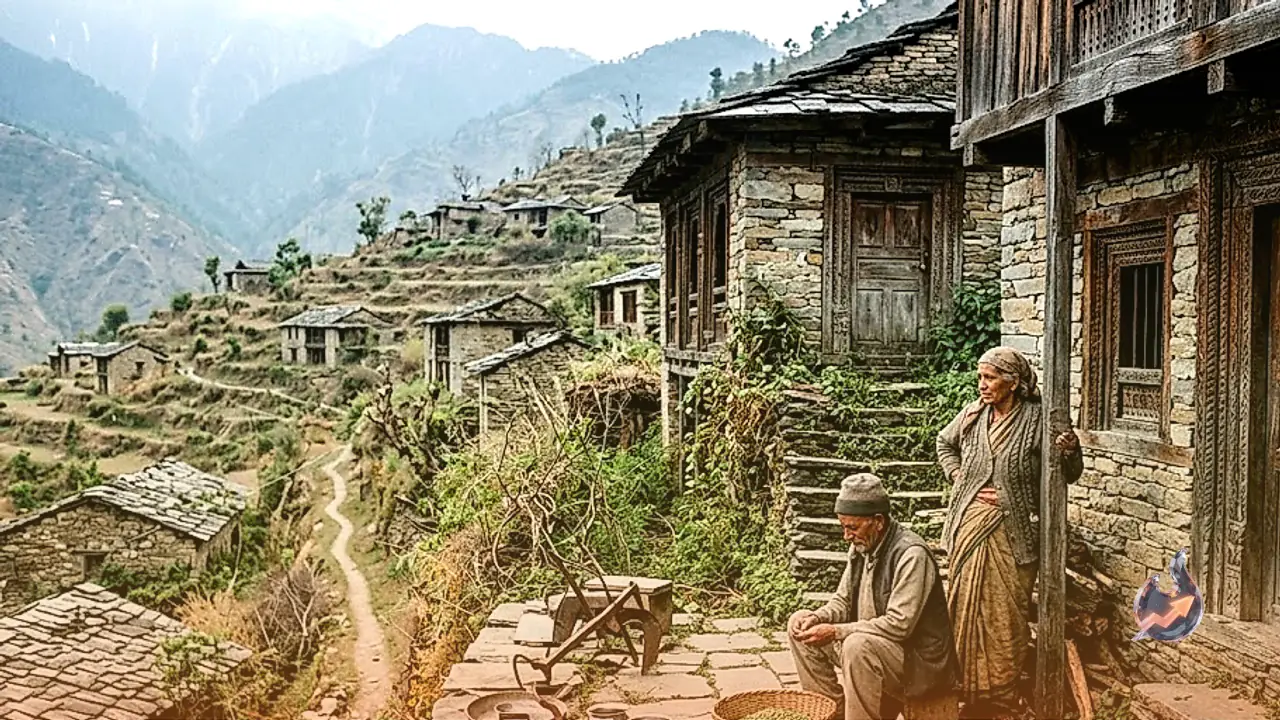
The impact of outward migration is most visibly evident in the social fabric of hill villages. In pursuit of higher studies and jobs, young individuals have headed toward urban hubs like Haldwani, Dehradun, Delhi, and elsewhere. Numerous families feel compelled to leave their ancestral homes so their children can access superior schooling and medical care. As a consequence, many villages are now inhabited predominantly by elderly residents. Doors remain locked, courtyards lack their former vibrancy, and children's voices are rarely heard echoing through the lanes. During festivals and seasonal holidays, expatriate residents return temporarily, injecting brief bursts of energy, but for the rest of the year, these settlements wear a deserted look.
Why Mountain Villages Are Emptying Out
Several underlying factors explain the persistent exodus from rural settlements. A scarcity of viable local employment, severely limited options for higher education, hurdles in accessing healthcare services promptly, and meager incomes from farming rank among the primary drivers. Despite improvements in road connectivity and transportation networks, essential services remain unevenly distributed across remote hamlets. Young people grapple with uncertainty regarding their future prospects, pushing them toward cities in search of steady salaries and modern comforts. Consequently, the demographic balance in villages is shifting away from those capable of carrying forward traditional livelihoods.
Can the Lost Liveliness of Mountain Villages Return
Revitalizing mountain villages requires expanding employment opportunities directly at the local level. Strengthening the rural economy is possible by promoting tourism, homestay networks, local handicraft and food products, horticulture, animal husbandry, and entrepreneurship. Concurrently, expanding educational institutions, healthcare facilities, internet connectivity, and transport services in rural pockets is vital. Hilly districts like Bageshwar possess immense potential rooted in pristine natural beauty, rich cultural heritage, and traditional cuisine. Aligning these intrinsic assets systematically with income generation can pave the way for meaningful local employment.