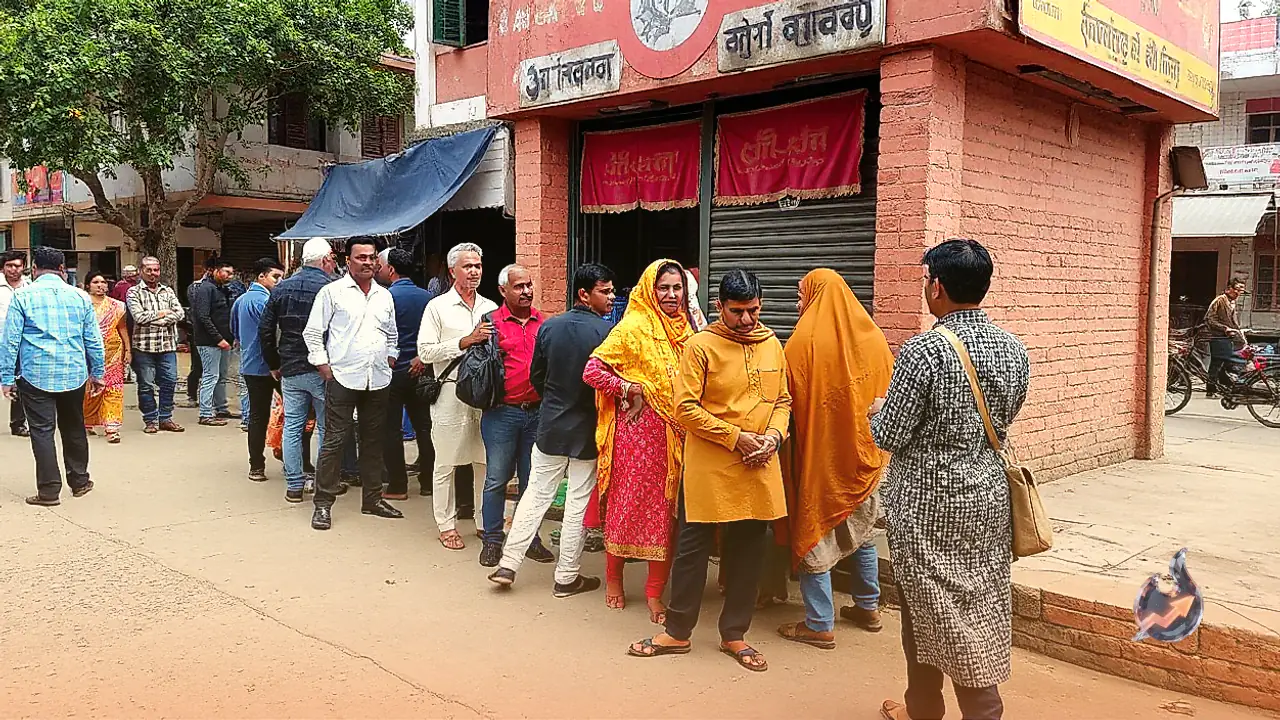





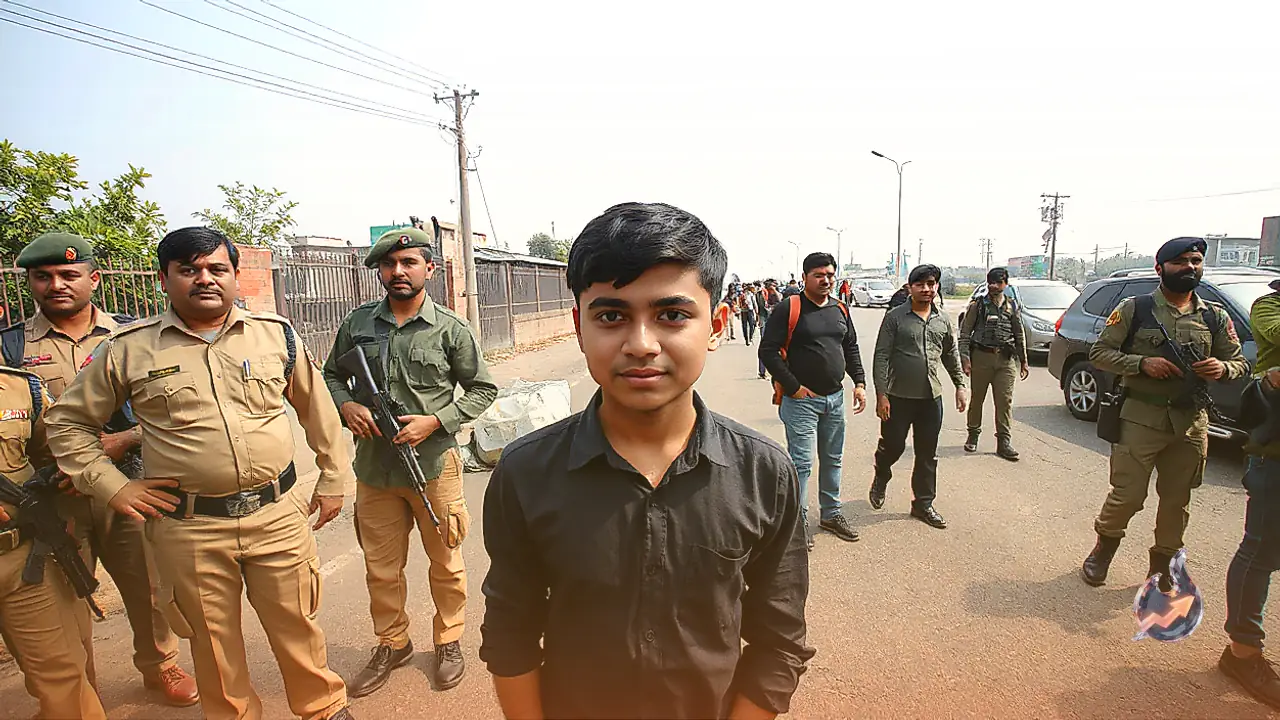

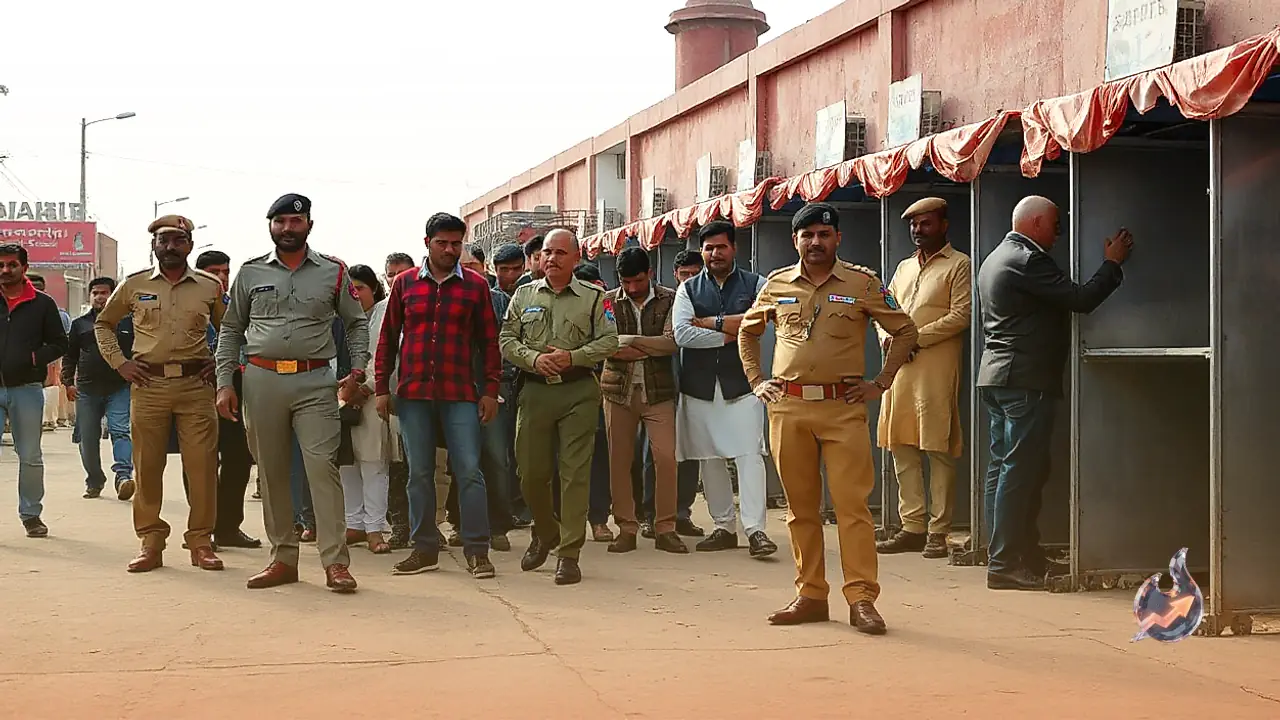














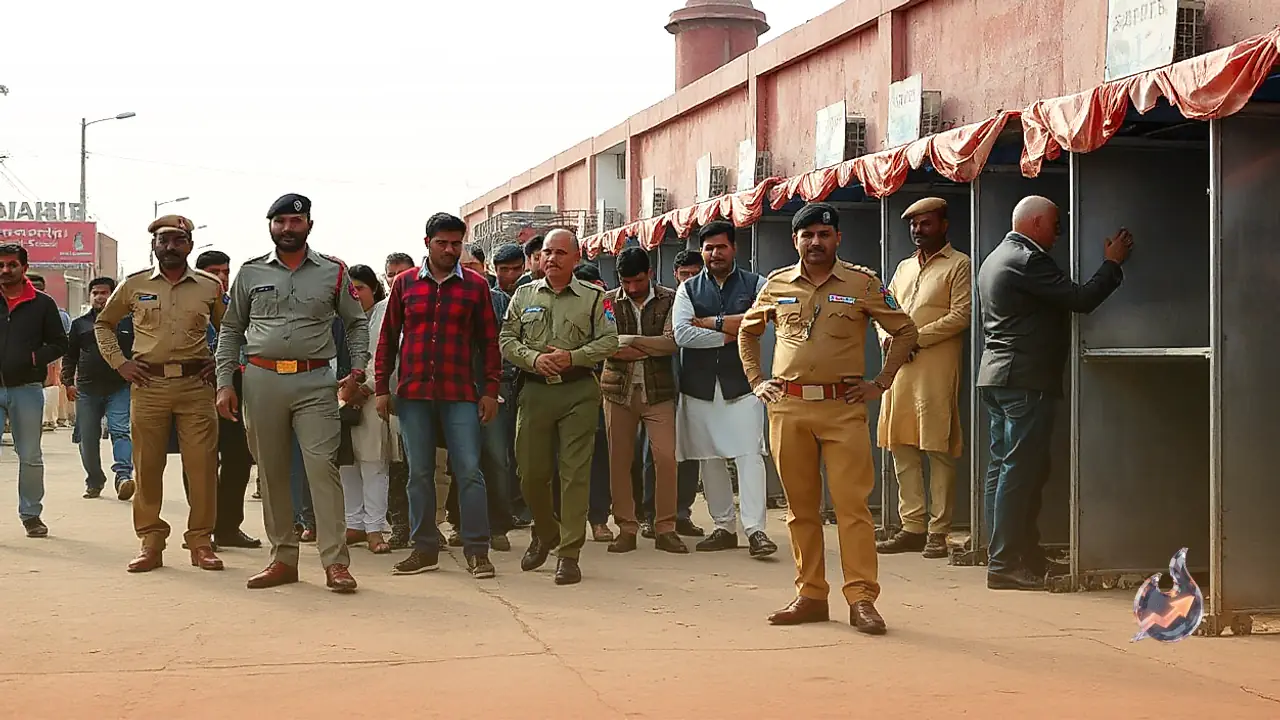

Administrative and police preparations have gained significant momentum across Uttarakhand ahead of the upcoming assembly elections scheduled for 2027. With a notable rise in the number of polling stations this time, the state administration and law enforcement agencies face a fresh set of logistical and security challenges. Following population shifts, geographical constraints, and a special intensive revision process, polling booths across the state have been reorganized. Authorities are now preparing to categorize these polling stations into normal, sensitive, and critical tiers, utilizing historical electoral records alongside current local ground realities.
Significant Expansion in Polling Stations
During the 2024 Lok Sabha elections, the state had a total of 11,723 polling stations, a figure that has now expanded to 12,543 following the recent restructuring. This marks an addition of 820 polling centers compared to the previous parliamentary polls. This expansion is not merely an administrative upgrade but also scales up the security and monitoring responsibilities during the voting period. Ensuring adequate security personnel, robust surveillance, and seamless electoral arrangements at every single polling booth has emerged as the primary goal for the administration.
Identifying Vulnerable Booths Through Historical Data
The classification of polling stations into sensitive and critical categories will rely heavily on incidents reported during previous election cycles. Centers that witnessed disputes, violence, voter intimidation, coercion, or disruptions during past voting phases are undergoing rigorous scrutiny. Furthermore, local political dynamics, social conditions, geographical layouts, and law and order aspects are being factored into the assessment to ensure comprehensive coverage.
Garhwal Range IG Rajiv Swaroop stated that past electoral experiences and local conditions are being meticulously weighed during the booth categorization process. Once sensitive and critical polling stations are accurately identified, security deployments will be tailored accordingly. He emphasized that advance assessment and meticulous preparation are vital to avert any untoward incidents during the democratic exercise.
Local Police Strategy and Assessment
Dehradun police are actively evaluating polling booths as part of their comprehensive election readiness protocol. Dehradun SSP Pramendra Dobal noted that the sensitivity of each booth will be determined by analyzing incidents from past elections combined with prevailing local circumstances. Police are cross-referencing archival records with grassroots intelligence to accurately distinguish between normal, sensitive, and critical polling booths. Deployment patterns and monitoring protocols will be finalized strictly in accordance with these assigned categories.
Heightened Security Demands Following Booth Expansion
With an increased count of polling stations across the state, ensuring the availability and strategic deployment of security forces remains a critical administrative concern. While normal booths will maintain standard security measures, sensitive and critical centers will witness enhanced surveillance and tailored security interventions as deemed necessary. As election day approaches, these comprehensive security frameworks will be given their final shape.
Ultimately, the integrity of an election is measured not just by the successful completion of voting procedures, but by creating an environment where every citizen can cast their ballot free from fear or external pressure. Consequently, identifying vulnerable and critical booths alongside managing the increased infrastructure will serve as a definitive test of preparedness for the police and administration in the 2027 assembly polls.