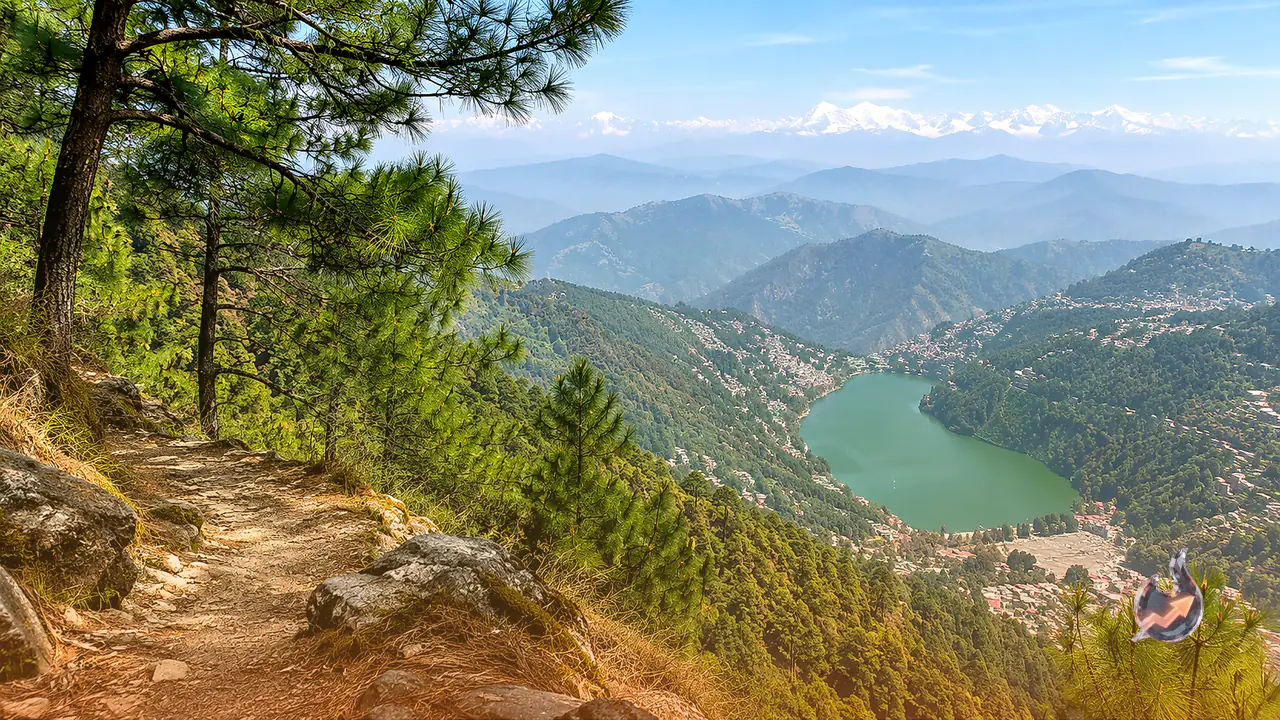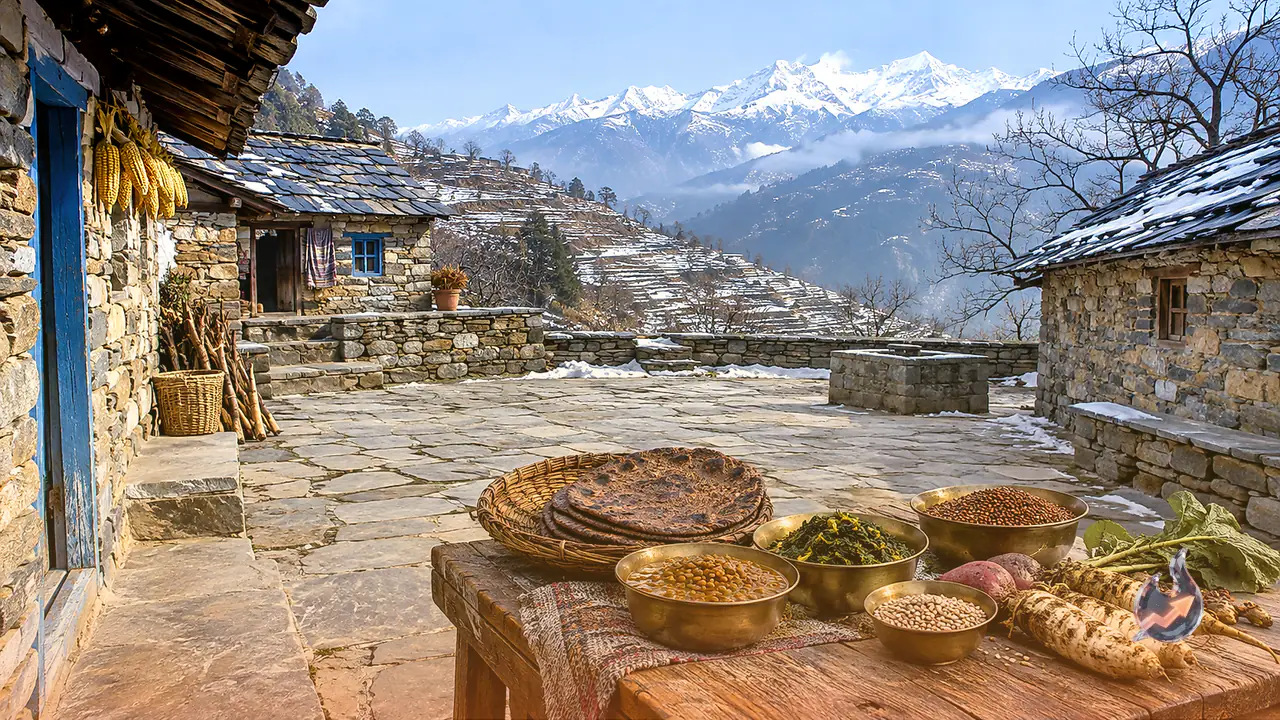























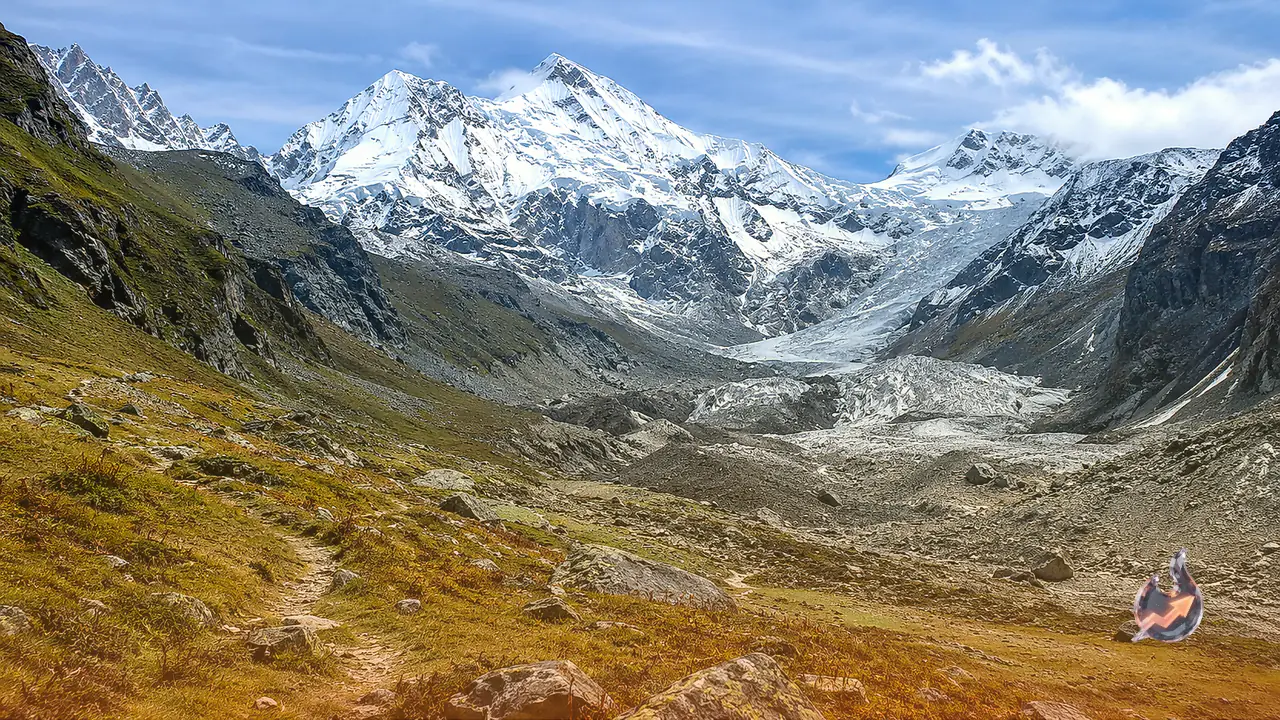

Hidden amid the rugged terrain of Uttarakhand's Bageshwar district, Kafni Glacier remains one of the most serene and less crowded trekking destinations in the Central Himalayas. Surrounded by soaring snow-draped summits, pristine alpine meadows, dense forests, and crystalline mountain streams, this high-altitude glacier provides an authentic wilderness experience for adventure seekers. Unlike commercialized holiday destinations, the journey to Kafni requires endurance, resilience, and a willingness to navigate demanding mountain terrain. However, the reward is an unparalleled sense of solitude and sweeping views of the greater Himalayan ranges.
Reaching the Base: From Kathgodam to Khati Village
The journey toward the glacier begins at the transport hubs of Haldwani or Kathgodam railway station in the foothills of Uttarakhand. According to senior mountaineer Jitu Danu, visitors must travel by road from Kathgodam across the scenic hill highways to reach the historic town of Bageshwar. From Bageshwar, the drive continues past Kapkot to Khati village. Khati serves as the final inhabited settlement and the last motorable stop in the valley. Beyond this peaceful mountain hamlet, vehicular movement stops entirely, and travelers must rely solely on foot travel to reach the glacier.
A Detailed Four-Day Trekking Itinerary
Covering the distance from Khati to Kafni Glacier Zero Point and returning safely generally requires a structured four-day hiking schedule. Actual trekking durations can vary depending on weather conditions, trail health, and individual walking pace.
- Day 1 (Khati to Dwali): The on-foot journey commences at Khati village, taking trekkers through a 10 to 13-kilometer trail along the river valley to reach Dwali. Dwali serves as a base station where basic accommodation facilities are available for an overnight rest.
- Day 2 (Dwali to Bayali): On the second day, trekkers embark on an 8-kilometer hike from Dwali to Bayali. As elevation increases, the landscape transitions into open meadows with commanding views of the high peaks. Visitors camp overnight in tents under the starry sky at Bayali.
- Day 3 (Bayali to Zero Point and Back to Dwali): Trekkers start early in the morning from Bayali toward the Kafni Glacier Zero Point to witness the massive field of ice and surrounding ridges. After taking in the pristine glacial landscape, they retrace their steps down the trail and halt at Dwali for the night.
- Day 4 (Dwali to Khati Village): The final leg of the trek covers the 10 to 13-kilometer descent from Dwali back to Khati village. After spending the night at Khati, trekkers can board local vehicles on the fifth morning to begin their homeward journey.
Majestic Vistas of Nandakot and Nandabhanar
Kafni Glacier sits gracefully on the left flank of the Pindar Valley, offering scenery distinct from neighboring routes. At Dwali, the trail bifurcates: one branch ascends toward the Pindari Glacier, while the other leads into the Kafni Valley. Trekkers venturing along the Kafni route are greeted with clear sights of prominent peaks like Nandakot and Nandabhanar. Vast snowfields, expansive bugyals (high-altitude alpine grasslands), and the origin of the rushing Kafni River combine to create an inspiring setting for photographers and nature enthusiasts alike.
Ideal Seasons, Safety Protocol, and Preparation
Picking the correct window of the year is vital when undertaking high-altitude Himalayan hikes. The Kafni Glacier route is best attempted between April and June, when alpine flora is in bloom and daytime temperatures are manageable, or between September and December, when post-monsoon skies offer exceptional clarity. The monsoon stretch across July and August should be strictly avoided due to severe risks of cloudbursts, sudden landslides, washed-out trails, and swelling glacial torrents.
Before embarking on the trail, visitors must secure required permits and complete registrations with the local forest department. Pack essential gear including thermal garments, rugged waterproof trekking boots, rainwear, a personal medical kit, water bottles, and energy-dense rations. Travelers should note that banking ATMs and cellular mobile coverage are virtually nonexistent past Kapkot, making physical cash an absolute necessity. Given the isolation of the trail, hiring an experienced local guide is strongly recommended to ensure a secure and well-navigated expedition.