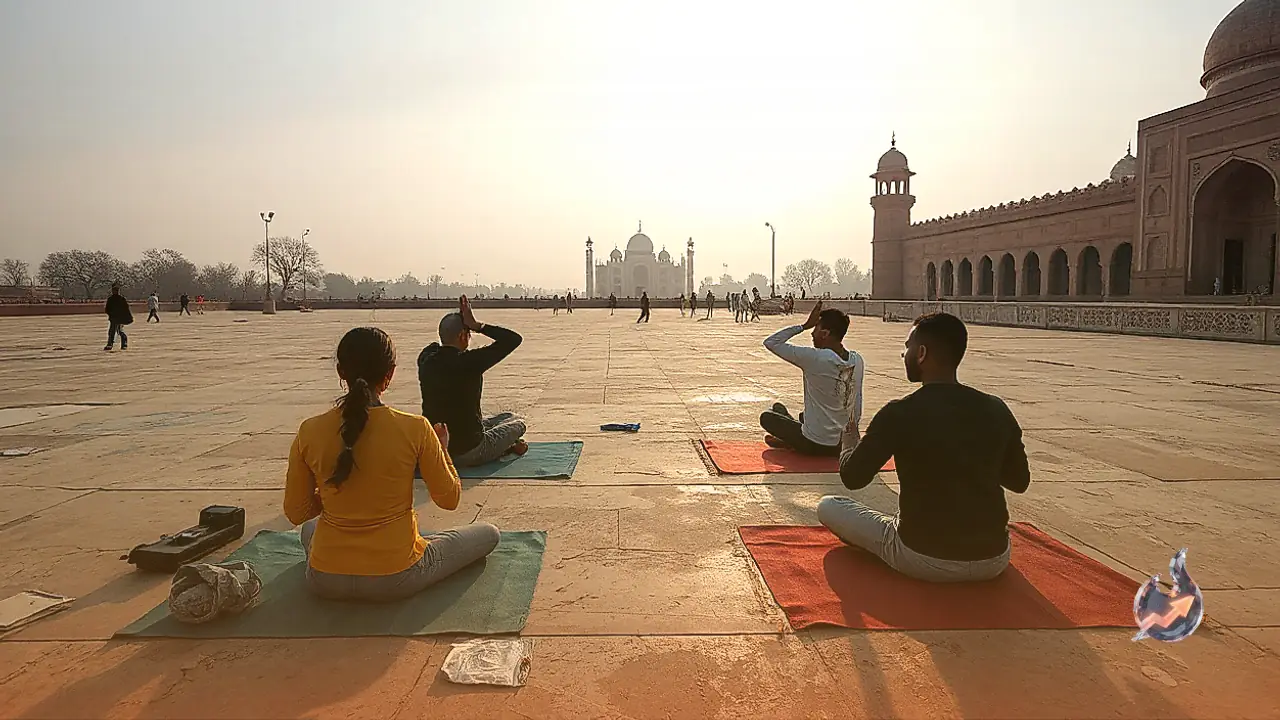














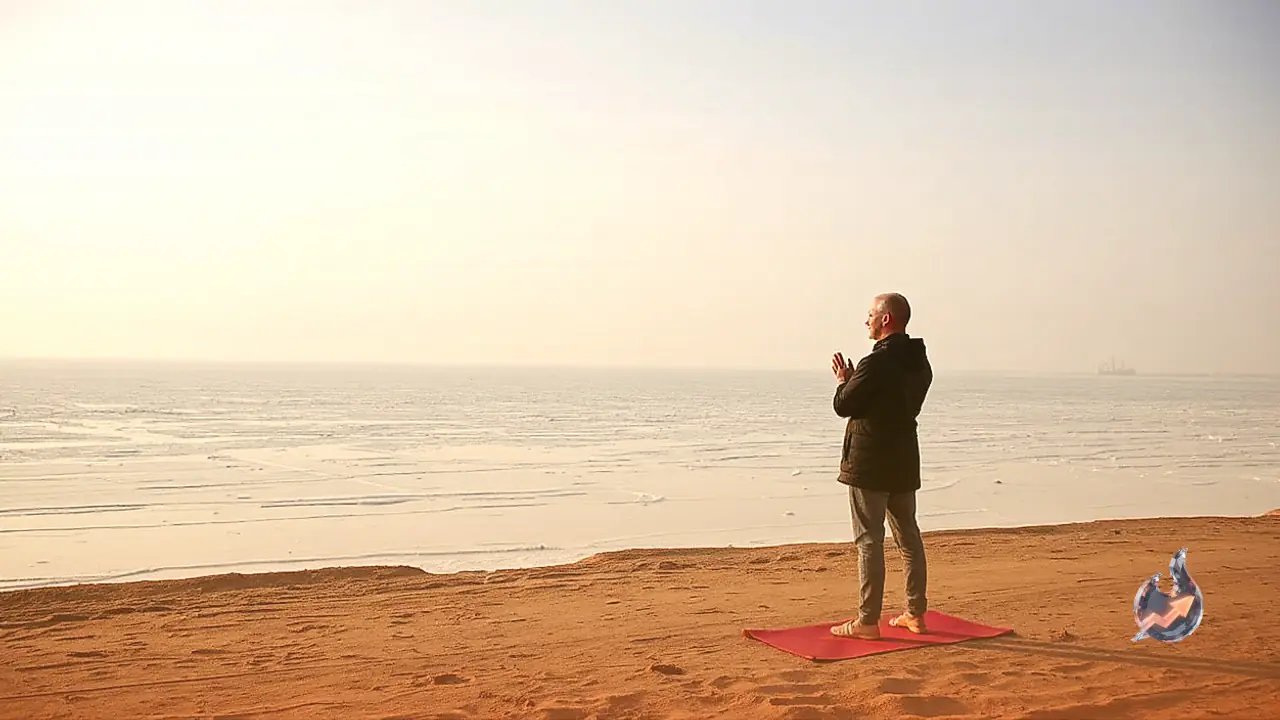

During the winter season, people adopt various physical exercises to protect themselves from the cold and keep their bodies warm from the inside. Yoga and Pranayama are among the most prominent methods. Bhastrika Pranayama is considered particularly beneficial for the winter months as it involves a rapid process of inhaling and exhaling breath, which generates internal warmth and keeps respiratory muscles active. According to Yogacharya Dinesh from Rishikesh, Pranayama is an essential component of yoga where the breathing process is controlled in a specific manner. Regular practice helps keep the mind calm, reduces stress, and enhances breathing capacity.
This pranayama is also known as Agni Shwas. In this technique, air is inhaled and exhaled rapidly through the nose, causing the abdomen to move in and out along with the breath. This process creates a feeling of warmth in the body and keeps the respiratory system active. Winter often brings lethargy and fatigue, which Bhastrika helps combat by keeping lung muscles active and energizing the body while also improving focus and mental peace.
However, Yogacharya Dinesh notes that Bhastrika Pranayama is not beneficial for everyone. Individuals suffering from high blood pressure and heart disease must avoid it because rapid breathing places extra pressure on the body. People with asthma, COPD, or severe respiratory issues should also refrain from this practice. Those who have recently suffered a heart attack, experience epilepsy, or suffer from frequent dizziness and fainting spells should avoid it as well. Pregnant women must consult a doctor before performing Bhastrika. Individuals dealing with stomach ulcers or hernia should also stay away from it, as the rapid breath movement can cause dizziness, anxiety, or breathing discomfort in some people.