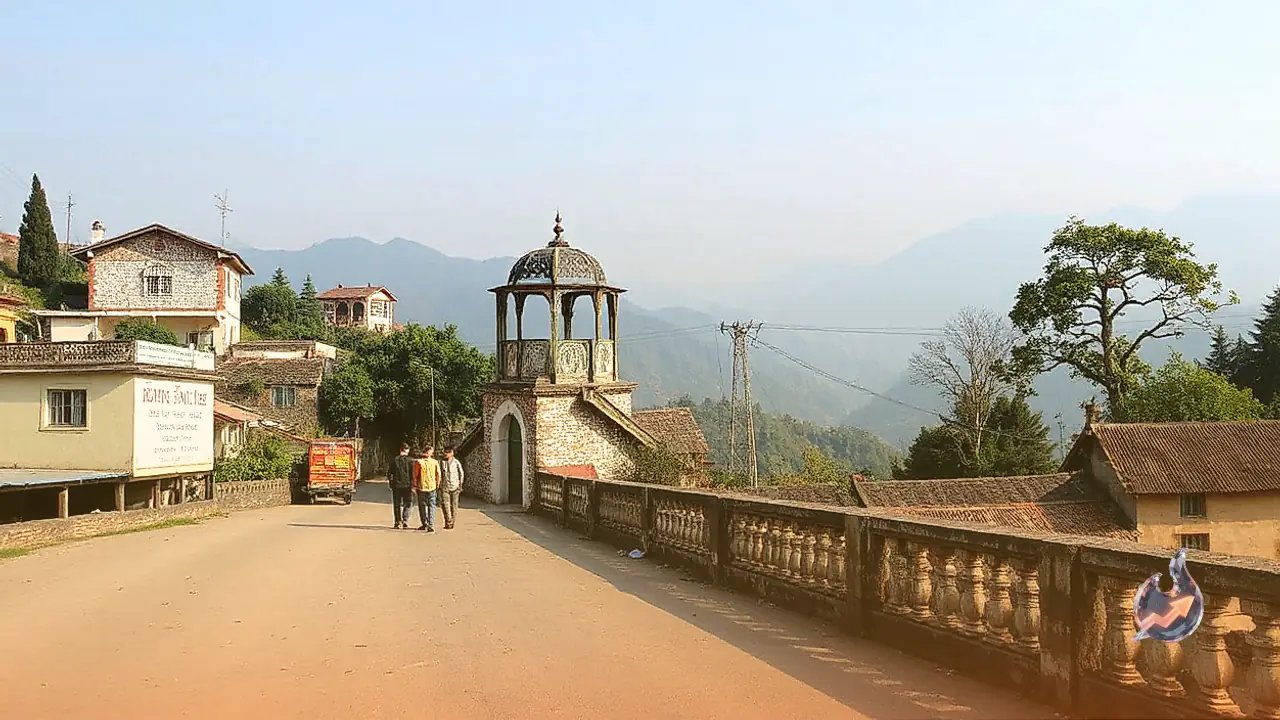



















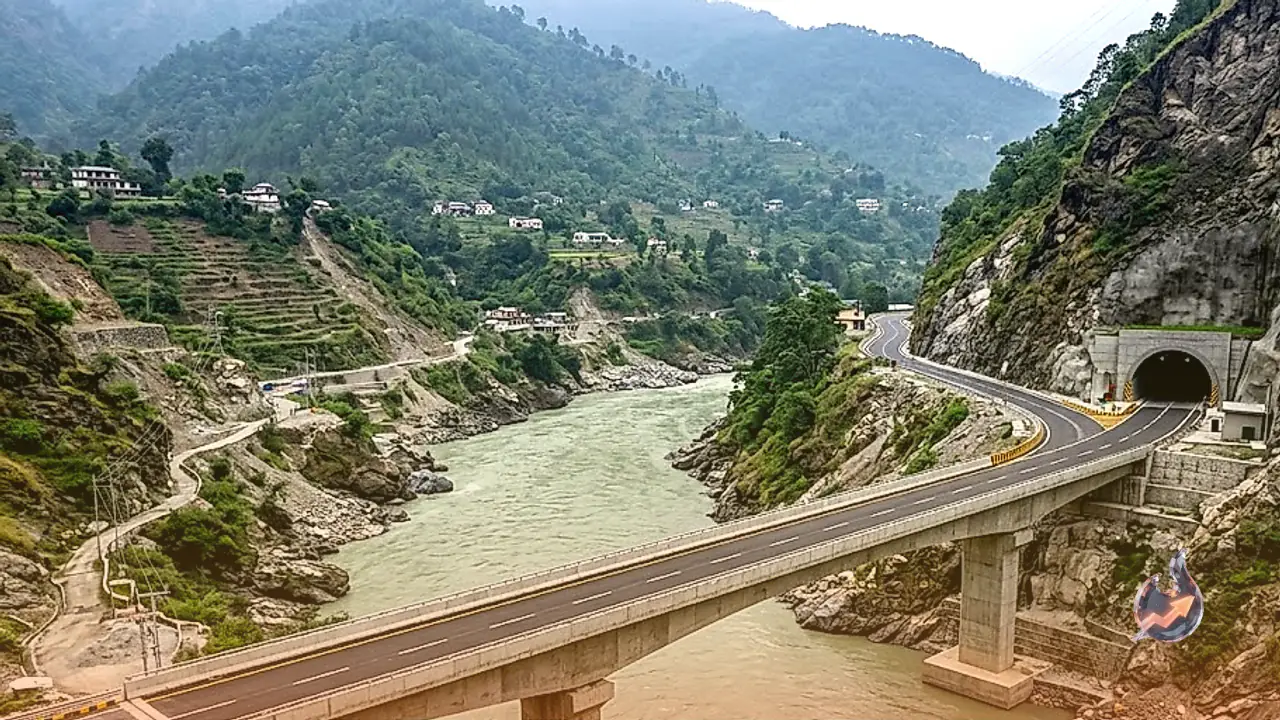

A major infrastructure upgrade has arrived in Uttarakhand as trial traffic officially begins on the newly constructed Rudraprayag bypass project. Built under the broader Chardham road connectivity initiative at a cost of 156 crore rupees, the project features a 200-meter long bridge over the Alaknanda River and a 900.30-meter long tunnel. Inclusive of the approach roads, the total length of the project spans approximately 1.18 kilometers. This strategic route directly connects the Kedarnath national highway with the Badrinath national highway, promising a smoother transit experience for thousands of pilgrims and daily commuters.
Chief Minister Inspection and Trial Run Launch
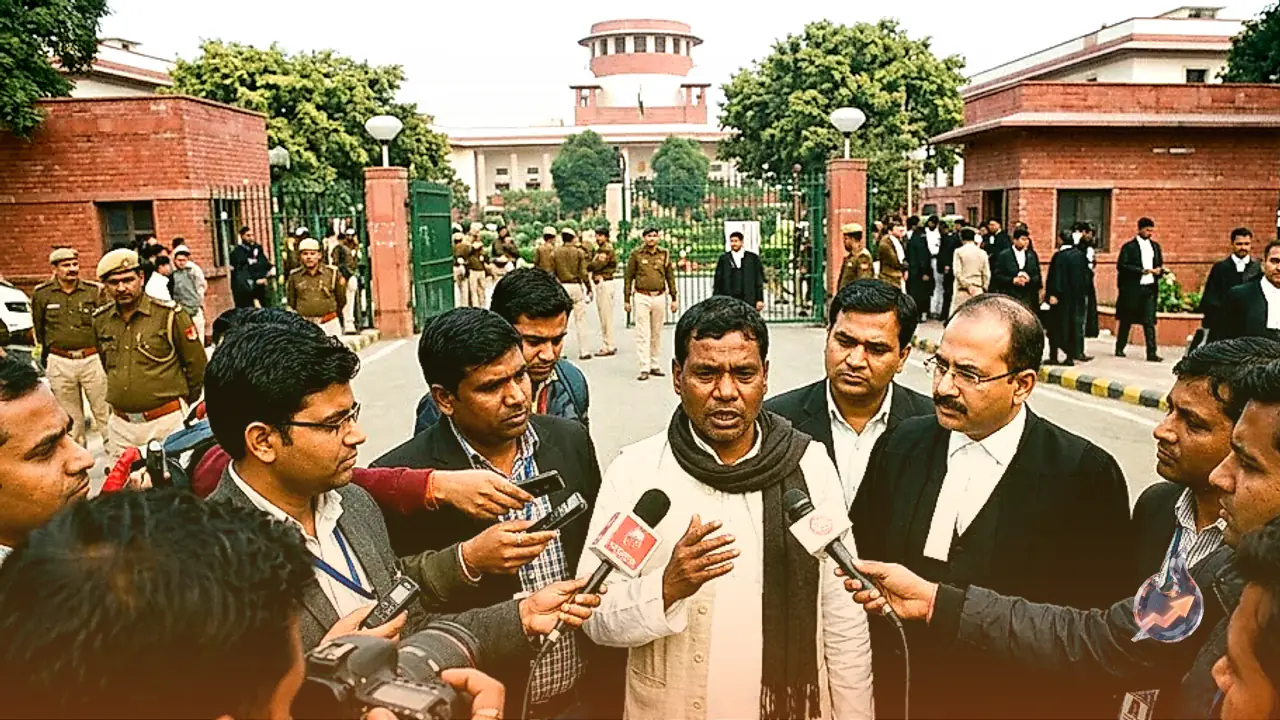
Vehicle movement on the newly built bridge and tunnel route commenced on a trial basis on Monday. During his journey to Gairsain on the same day, Uttarakhand Chief Minister Pushkar Singh Dhami inspected the infrastructure project on-site. He announced that a formal inauguration ceremony will be held soon. The Chief Minister noted that the bypass establishes a direct link between the Badrinath and Kedarnath highways. During peak pilgrimage seasons, thousands of vehicles traverse Rudraprayag daily, and the extremely narrow stretch through the main market historically caused long traffic gridlocks.
Relief from Heavy Traffic and Time Savings
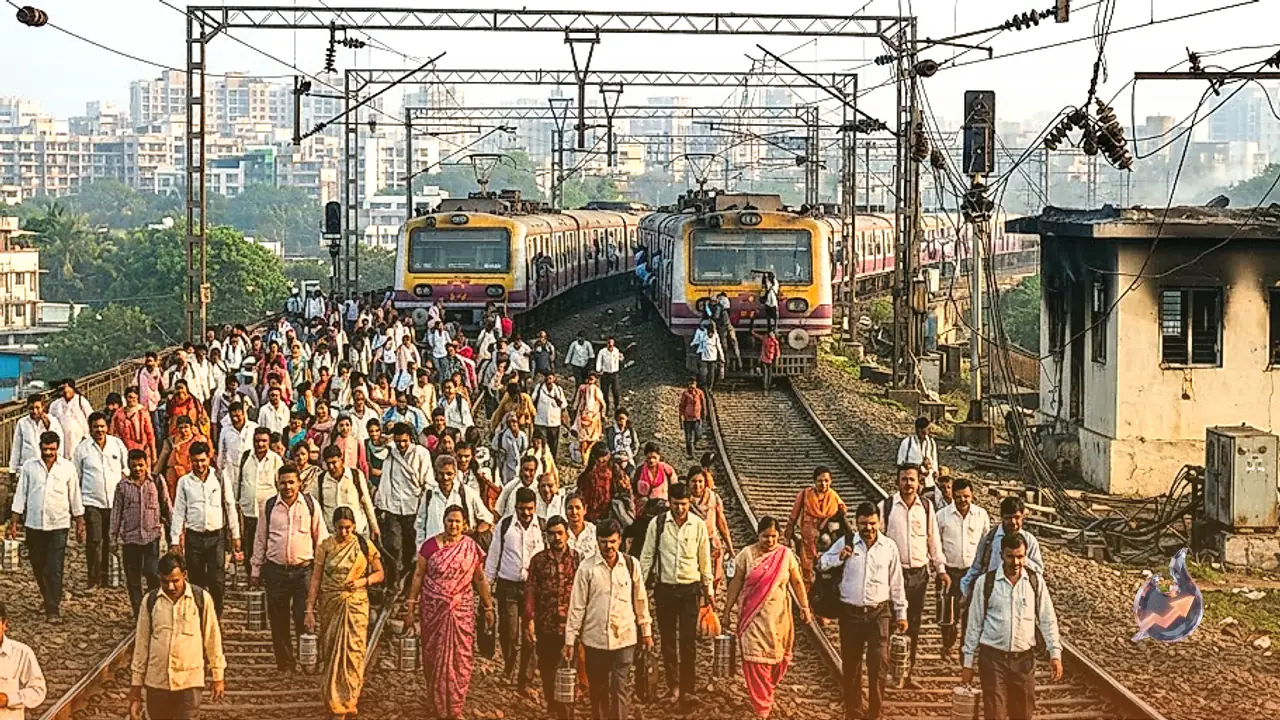
The completion of this bypass brings immense relief to motorists who previously lost hours navigating the congested Rudraprayag market. Travelers coming from the Ukhimath, Jakholi, and Augustmuni development blocks will no longer need to enter the town's dense traffic. Instead, motorists can divert through the tunnel roughly two kilometers before reaching the city to head toward the collectorate. This alternative route saves about an hour of travel time. The seamless coordination between the two national highways reduces urban congestion by keeping through-traffic entirely out of the main municipal area.
Origins and Long-Term Planning of the Project
The genesis of this infrastructural milestone dates back nearly two decades. The Border Roads Organisation initially prepared a proposal for tunnel construction at the district headquarters and submitted it to the central government in 2008-09. The Ministry of Road Transport and Highways subsequently granted approval for the proposal in 2016. Border Roads Organisation officials conducted comprehensive surveys across three distinct phases. Following the survey findings, the central government formally approved the tunnel construction in 2019, integrating it into the second phase of the all-weather road project.
Budget Adjustments and Construction Timeline
Initially, an in-principle approval of 200 crore rupees was granted for building the tunnel and the bridge over the Alaknanda River. However, based on the final detailed project report, the execution budget was rationalized and finalized at 156 crore rupees. Physical construction work on the ground officially commenced in December 2022. With the trial run now underway, the project successfully fulfills its core objective of bridging the gap between the two arterial highways and sparing Chardham travelers from navigating difficult urban bottlenecks.