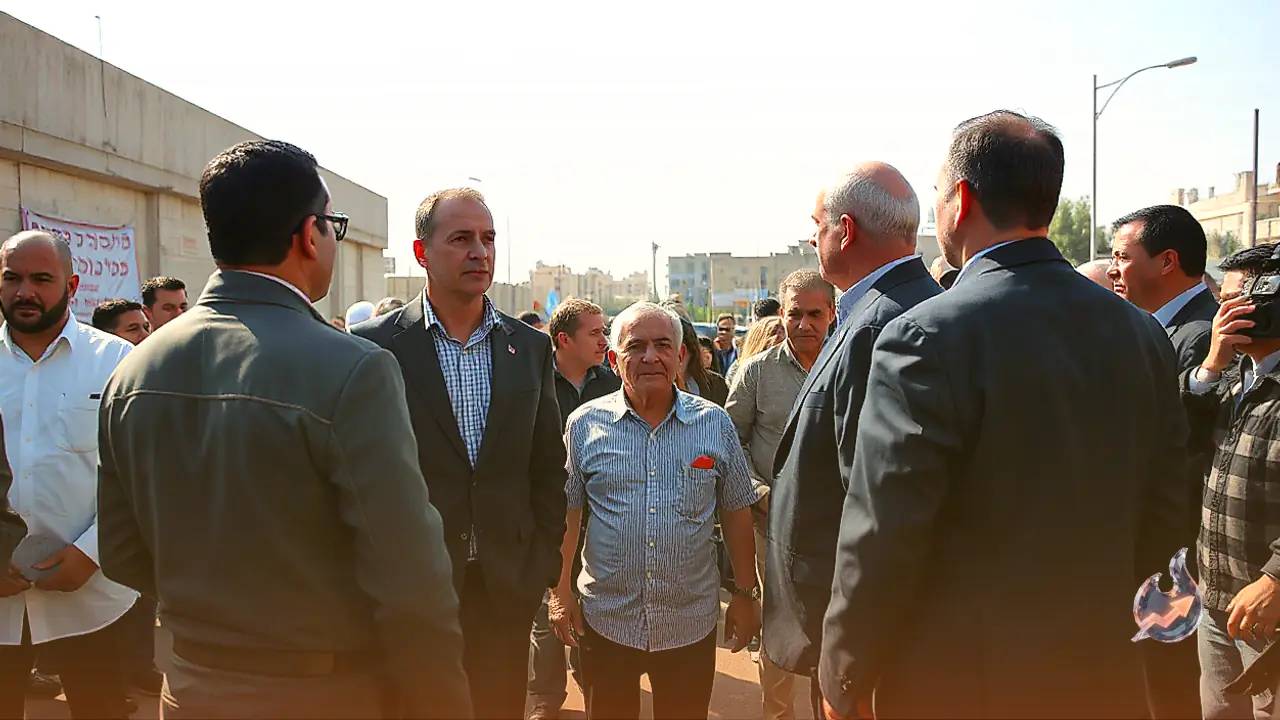

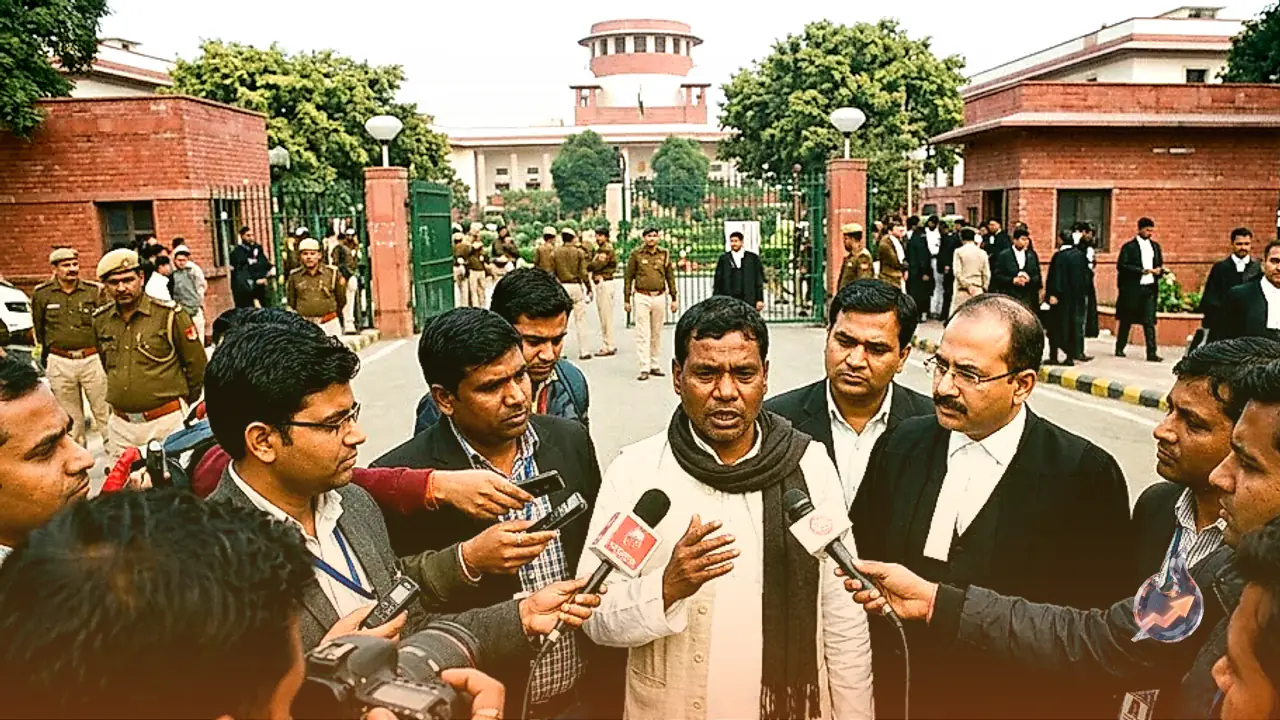

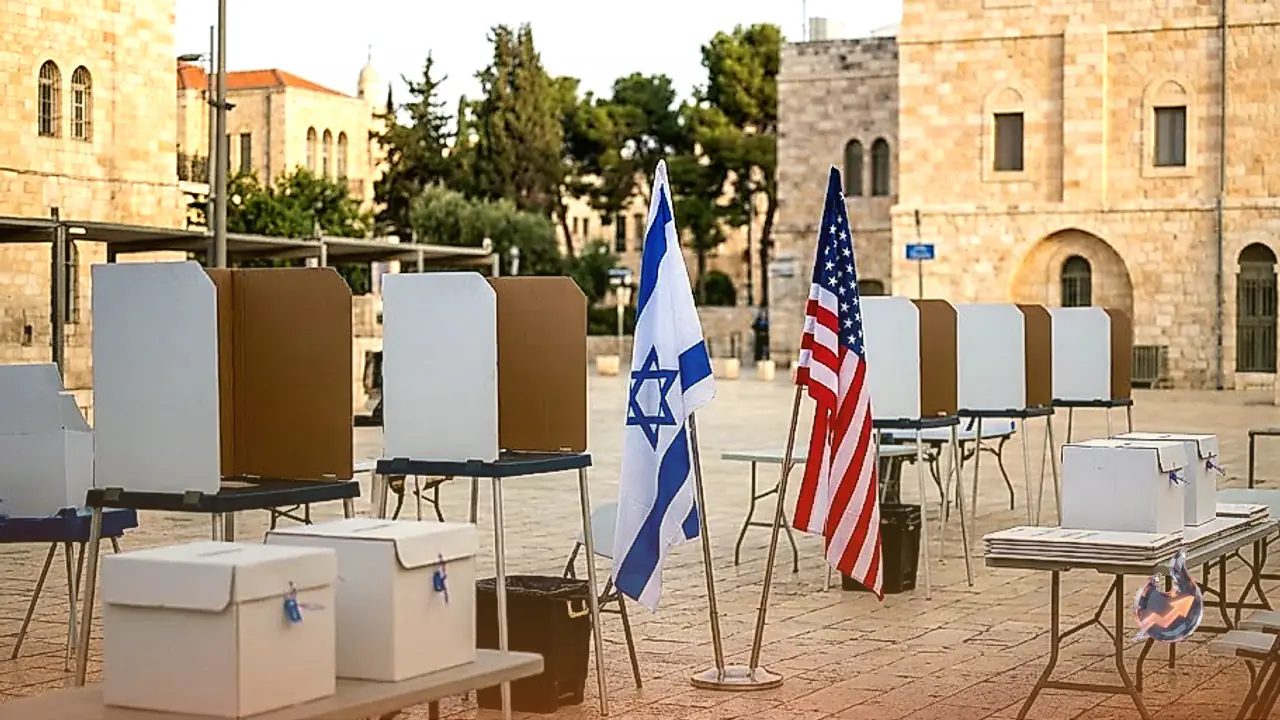


















Voters across two continents are preparing to head to the polls within days of each other, setting the stage for political outcomes that will resonate far beyond their borders. Through a coincidence of electoral scheduling, millions of citizens situated roughly six,000 miles apart will exercise their democratic rights in closely watched contests.
Israeli citizens are casting ballots on Tuesday to elect a new parliament, while American voters will choose a new Congress a week later. While a former speaker of the US House once famously declared that all politics is local, the consequences of these concurrent elections will undeniably stretch across the globe. These democratic exercises are not merely proximate in timing; they are fundamentally intertwined.
Intertwined Fates and Strategic Alliances
The future governance of Israel will exert a lasting influence over the Middle East and the conflicts persisting across the region. Simultaneously, any shift in the American political landscape could shape those very wars while dictating the trajectory of the global economy. A tangible connection links the two electorates, with the lobby group Republicans Overseas Israel estimating that roughly half a million dual-national Israelis holding American passports are eligible to vote in both contests.
Marc Zell, chairman of the organization, noted that these dual-national electors could sway remarkably tight races in the United States, pointing to the Michigan senatorial contest where an estimated 10,000 absentee ballots would originate from Israel. Yet the policy connection runs far deeper, centering most acutely on the joint US-Israeli military campaign against Iran. That massive aerial offensive, initiated in February, successfully dismantled numerous military sites and eliminated much of Iran's leadership structure.
Despite those strikes, the campaign failed to overthrow the ruling regime, which retaliated forcefully across the Gulf region and seized control of the Strait of Hormuz alongside vital global energy supplies. The looming presence of these elections has demonstrably altered political decision-making in both capitals.
Political Calculations and the Iran Conflict
Israeli Prime Minister Benjamin Netanyahu has utilized his campaign platform to publicly float the prospect of launching a renewed military offensive against Iran. He has advanced new assertions regarding Iran's nuclear ambitions, insisting once again that the regime must be removed from power, though without presenting supporting evidence. His core objective remains shoring up his standing as a security leader, a reputation severely dented by the devastating October 7 attacks led by Hamas.
US President Donald Trump has amplified speculation regarding fresh strikes by endorsing Netanyahu's re-election bid, suggesting both leaders should finish the job in Iran. Yet conflicting reports indicate that Trump privately intervened to restrain Netanyahu from initiating a pre-election attack, fearing that a sudden spike in energy prices would remind American voters of the costly conflict.
Speculation persists within Israeli media circles that Netanyahu might seek to engineer his political survival by launching military action as a caretaker prime minister following the vote. Under this scenario, he could advocate for a national unity government rather than a coalition of opposition parties. Having long weathered political storms, Netanyahu would face official inquiries into pre-October 7 intelligence failures and renewed corruption trials should he lose power.
This prospect has prompted prominent rivals, such as former military chief Gadi Eisenkot, to rule out participation in any post-election unity government. While mainstream Israeli politicians view Iran as an existential threat and support defensive military measures, figures like Eisenkot have cautioned against escalating conflicts for domestic political gain.
Economic Pressures and Global Repercussions
Analysts suggest that Trump might exhibit greater willingness to pursue military action against Iran following the midterms, unconstrained by immediate electoral pressures and eager to conclude the engagement. Conversely, critics argue that economic sanctions have already weakened Iran significantly, though past strategies aimed at regime change have repeatedly fallen short of expectations.
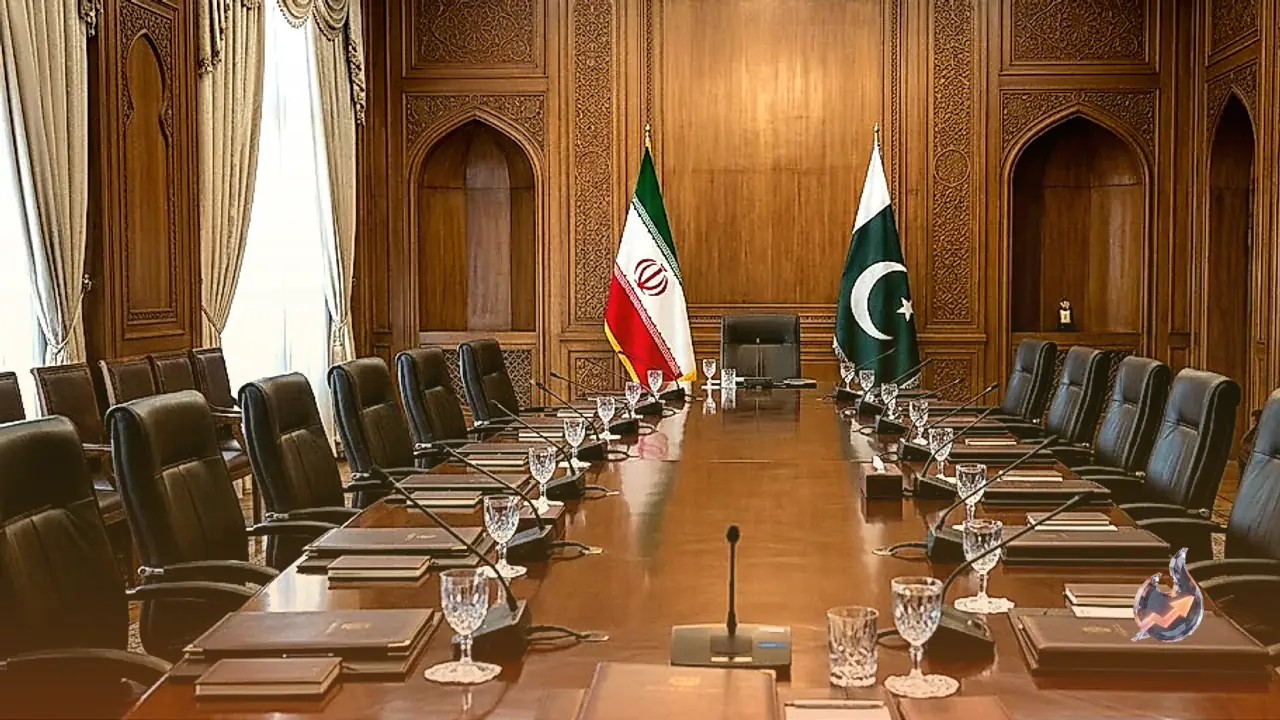
Policymakers in Tehran are monitoring Western opinion polls closely, cognizant that post-electoral strikes could plunge the region into deeper turmoil should Iran enact its threats of retaliation. Iranian officials have publicly warned that renewed attacks would jeopardize regional infrastructure, energy facilities, and global economic stability, a sentiment echoed by foreign minister Abbas Araghchi in the Financial Times.
Economic concerns remain central to both electoral landscapes. In the United States, voters are grappling with affordability and cost-of-living pressures exacerbated by wartime disruptions in energy markets. Similarly, soaring defense expenditures in Israel are straining public finances while citizens confront high living costs and modest wage growth.
Political divisions have also widened in Washington, where traditional bipartisan consensus regarding foreign policy has fractured amid ongoing military commitments. As early voting progresses across numerous US states, the collective choices made by voters in both nations will fundamentally dictate the next chapter of international geopolitics and economic stability.