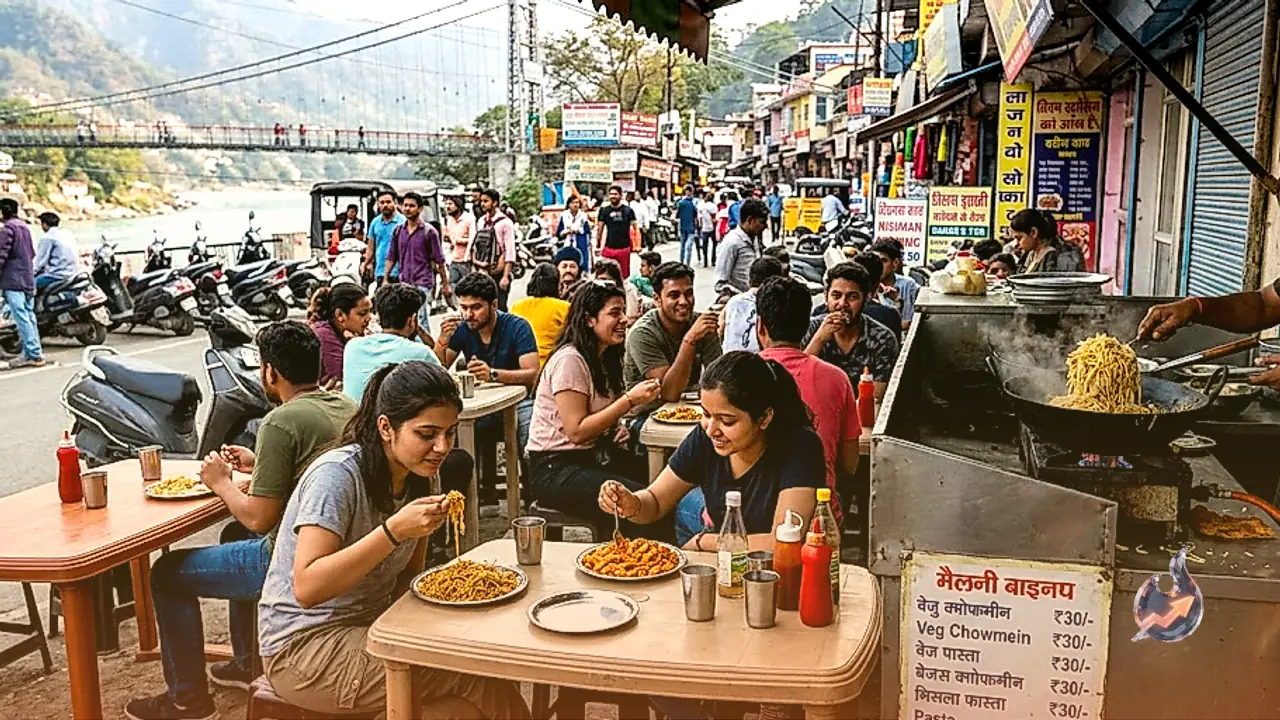
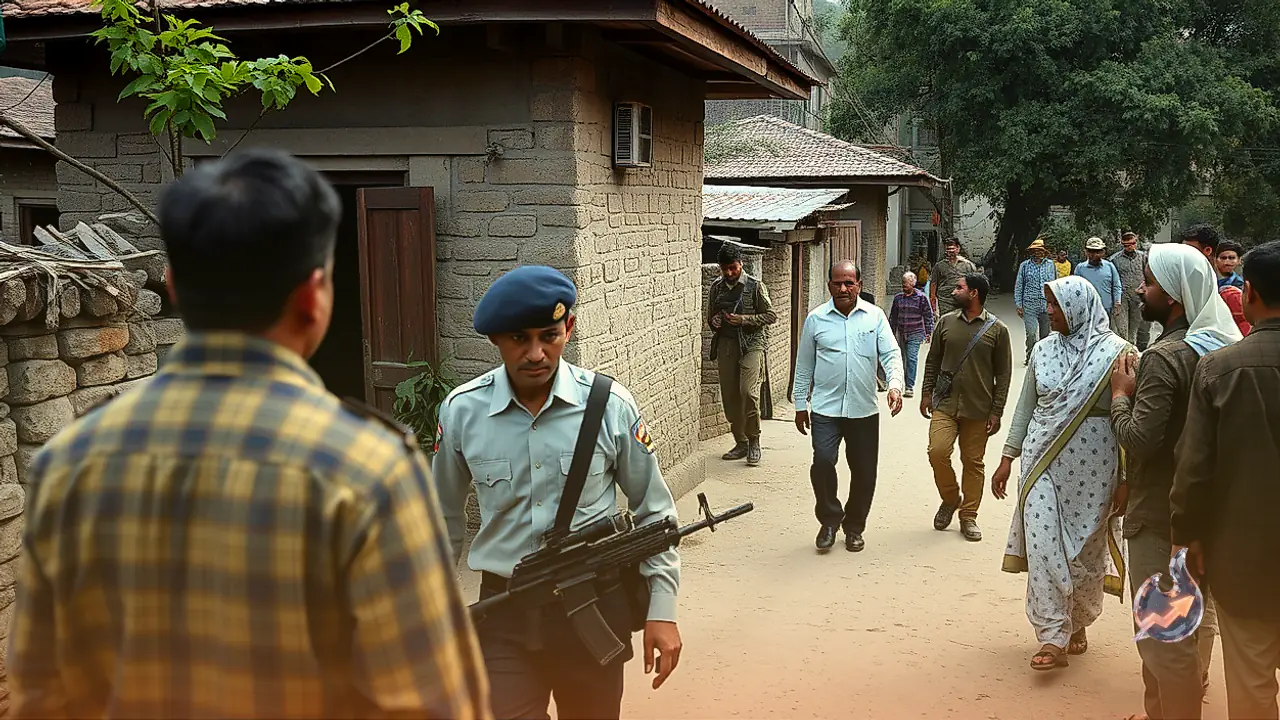
















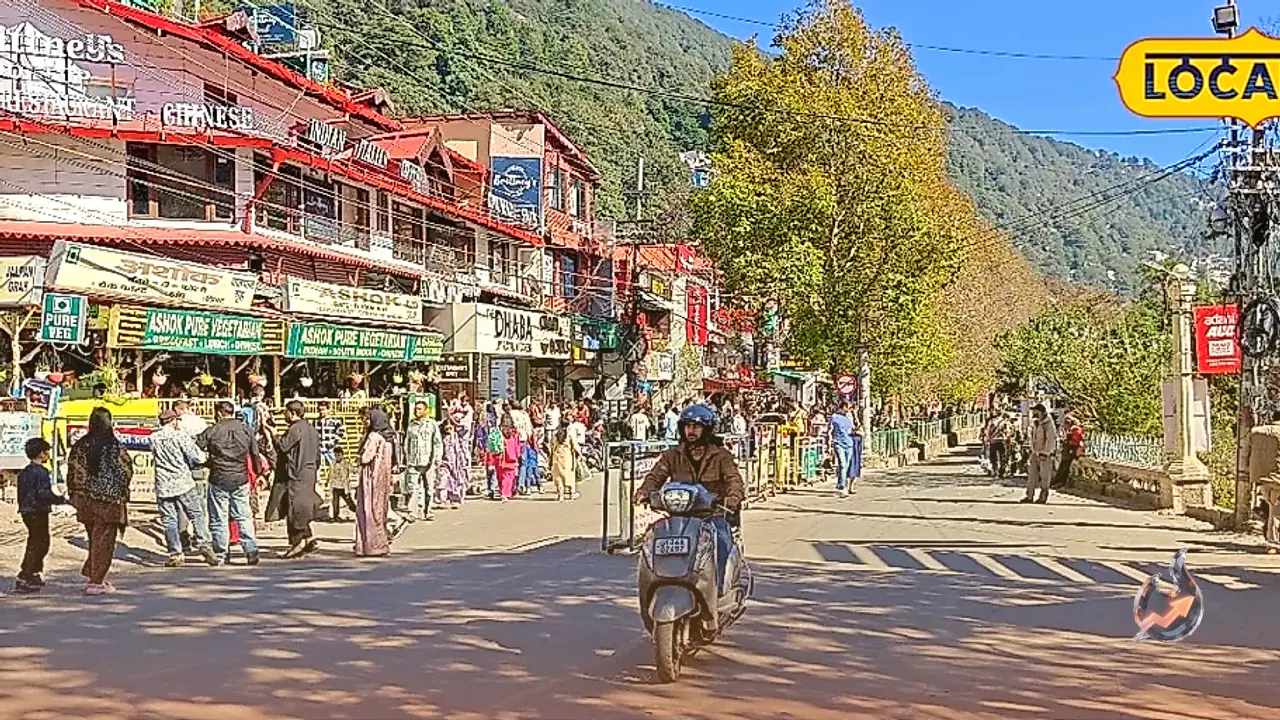

Navratri and the extended holiday weekend were supposed to bring a massive influx of visitors to Nainital, but local tourism operators have been left deeply disappointed. Despite ideal autumn weather and the festive season, visitor footfalls plummeted dramatically. Business owners across the lake city report that weekend commercial activity hovered at a meager 30 to 40 percent of normal levels. The primary catalyst behind this sudden drop is widespread confusion and fear surrounding traffic management, route diversions, and potential congestion along the approach roads.
Traffic Policy Confusion Deters Holiday Visitors
The root of the problem lies in the unified traffic plan implemented by authorities, which treats Nainital and the nearby pilgrimage site of Kainchi Dham under a single operational umbrella. According to local business representatives, merging the traffic regulations for both destinations creates severe confusion among travelers and devotees alike. Visitors traveling toward the hill station from Haldwani face sudden route diversions and mandatory shuttle service announcements. Expecting severe gridlock and inconvenient vehicle transfers, many prospective tourists are choosing to cancel their trips altogether or divert to alternative hill stations in the region.
Hotel Operators Highlight Regulatory Misalignment
Digvijay Singh Bisht, President of the Nainital Hotel Association, pointed out that expectations were exceptionally high for this long weekend, yet actual tourist arrivals fell drastically short of predictions. Bisht explained that current footfalls are languishing between 30 and 40 percent of capacity, dealing a severe blow to hotel operators and associated service providers. He noted that the regional hospitality sector had already taken a hit from recent demonstrations and movements in the Delhi-NCR area. Now, sudden and unannounced traffic modifications enforced by police are worsening the crisis.
Bisht emphasized that while administrative intervention is understandable during peak tourist rushes, implementing last-minute diversions and forcing tourists onto shuttle buses when city occupancy is already low creates unnecessary anxiety. He argued that Kainchi Dham and Nainital possess entirely distinct visitor dynamics and require tailored traffic management strategies. Kainchi Dham attracts large crowds of devotees who can be efficiently managed through shuttle operations, whereas Nainital's entry rules should be dynamically adjusted based on real-time parking availability and actual vehicular volume inside the town.
Impact on Local Livelihoods and Ground Reality
The economic consequences of this tourist slump extend far beyond major hotel chains, deeply affecting small entrepreneurs, boat operators, taxi drivers, and local street vendors. Virendra Pawar, a local boatman operating on Naini Lake, shared that despite ideal atmospheric conditions, tourist turnout was surprisingly thin. Pawar estimated that only around 5,000 to 6,000 tourists reached Nainital over the weekend, a figure far below normal holiday expectations. He observed that long traffic jams between Haldwani and Nainital, combined with confusing diversion points, deter families from taking the journey. The lingering fear of being stuck in traffic for hours leads travelers to reconsider their plans before even setting out.
Calls for Streamlined Information and Hopes for Dussehra
Faced with compounding financial losses, the local business community is urging administrative and police officials to rethink their approach. Tourism stakeholders are requesting clear, advance information regarding traffic rules so that incoming visitors can plan their journeys without last-minute surprises. They have asked authorities to assess ground reality, monitor parking capacity in real time, and separate the management of Kainchi Dham from Nainital town. With the Navratri weekend drawing to a quiet close, business owners are now looking toward the upcoming Dussehra holidays in hopes of retrieving their losses and witnessing a revival in tourist arrivals.