























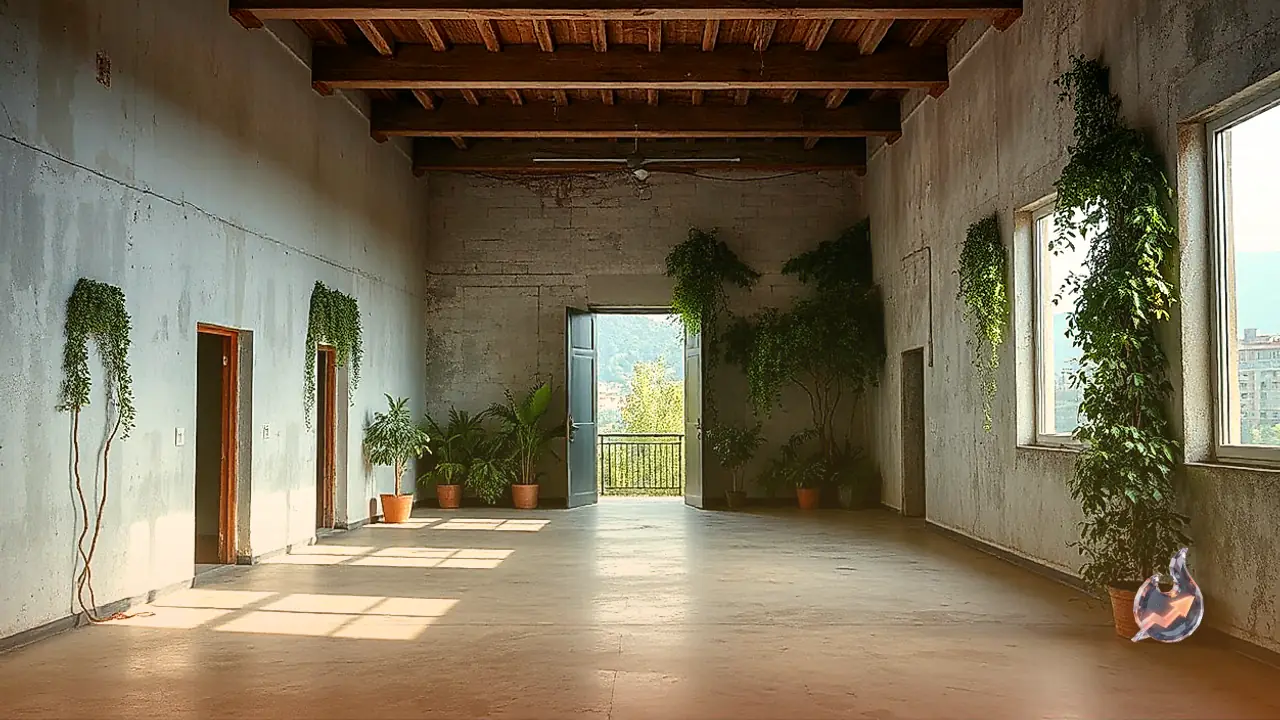

Living in compact urban apartments often forces plant enthusiasts to abandon dreams of maintaining an expansive garden. The lack of courtyard space or cramped balconies usually limits the number of pots one can place. Vertical gardening has emerged as an effective solution to this dilemma, transforming empty walls and ceilings into vibrant green pockets without taking up precious floor area.
Understanding the Setup and Mechanics of Vertical Gardens
According to gardener Ram Sagar from Rishikesh, vertical gardening serves as the ideal approach for homes with restricted dimensions. Instead of arranging pots across the floor, this system makes use of vertical planes. Iron or wooden stands are anchored securely onto walls, holding arrays of compact pots in an organized fashion.
Wall-mounted modular planters and overhead hanging pots further expand planting capacity. This technique allows multiple plant varieties to thrive on a single surface, keeping ground space entirely unobstructed. For individuals dwelling in modern flats, compact tenements, or units with modest verandas, this design provides an efficient path to daily interaction with nature.
Choosing the Right Mix of Ornamental Greens, Herbs, and Vegetables
A vertical arrangement is not restricted to decorative flora; it functions equally well as a compact domestic kitchen garden. Ram Sagar points out that smaller wall pots comfortably support decorative and air-purifying selections such as money plant, pothos, snake plant, fern, and spider plant.
For households looking to harvest culinary ingredients, compact holders can support mint, coriander, holy basil, carom, and green chillies. Leafy greens like spinach, fenugreek, and lettuce adapt smoothly to vertical containers. Where slightly deeper and sturdier planters are mounted, gardeners can also cultivate fruiting crops such as tomatoes and strawberries.
Essential Maintenance Routines for Thriving Wall Planters
While installing a vertical garden is straightforward, long-term vitality depends on disciplined upkeep. Ram Sagar highlights that sunlight management is critical, as certain varieties thrive under intense light whereas others require gentle, filtered illumination. Wall placement should always correspond to the specific light preferences of the selected greenery.
Irrigation practices require equal care. Overwatering must be strictly avoided because stagnant moisture trapped in confined planters rapidly damages root systems. Checking soil moisture levels manually before each watering cycle prevents waterlogging. Regularly snipping away withered and yellow leaves encourages vigorous growth. Gently aerating the topsoil every few days and adding organic fertilizer or vermicompost periodically ensures adequate nourishment.