























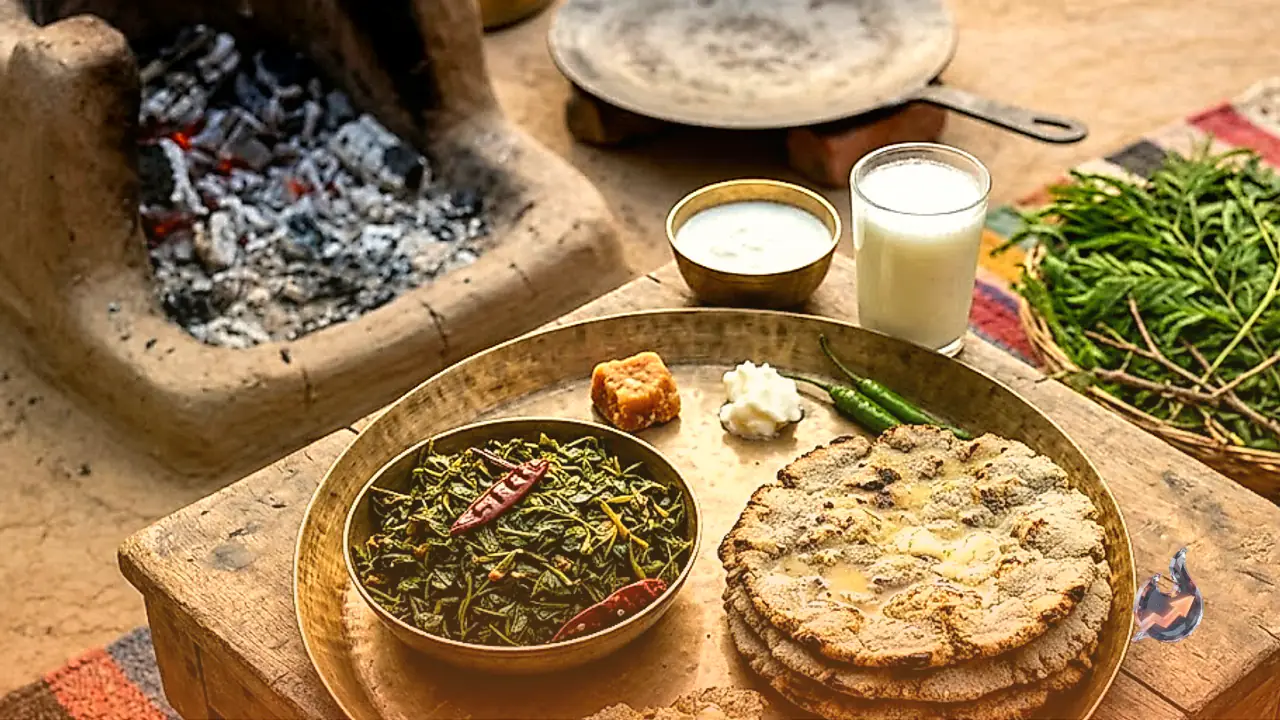

Desert regions often foster remarkable culinary ingenuity, transforming everyday flora into nutrient-rich staples that harmonize with harsh climates. Across the arid landscapes of Marwar in western Rajasthan, the thorny babool tree provides far more than mere timber or shade. Village kitchens, hamlets, and urban households frequently gather its soft, newly sprouted foliage to cook a time-honored local delicacy. Celebrated for pairing earthy aromas with rich medicinal value, this distinct dish serves as living proof of how ancestral Indian cooking incorporated natural wellness directly into daily meals.
Herbal Heritage Rooted in Arid Living
Traditional Rajasthani gastronomy has long maintained deep ties with Ayurvedic wisdom and ecological rhythm. Senior generations across the region regard tender babool shoots as an effective natural remedy capable of soothing stomach ailments while bolstering overall immune resistance. Whenever families desire a break from conventional seasonal vegetables or seek nutrient-dense comfort food, this indigenous preparation becomes the dish of choice. The combination of gentle astringency and soothing dairy helps provide strength while maintaining internal balance in desert heat.
Core Ingredients for the Preparation
Crafting this heritage Marwari preparation requires straightforward pantry staples alongside fresh foraging
- Fresh Shoots: Roughly 1 bowl of soft, freshly harvested babool leaves.
- Gram Flour: 2 to 3 spoons of besan to impart body and thickness to the simmering sauce.
- Curd or Buttermilk: 1 cup of fresh curd or buttermilk to lend a pleasant tangy undertone.
- Cooking Fat: 2 tablespoons of pure mustard oil or clarified butter.
- Seasonings: Garlic paste, chopped green chillies, turmeric powder, coriander powder, red chilli powder, and salt adjusted to taste.
Step-by-Step Cooking Technique
Preparation begins by meticulously selecting bright, fragile leaf buds from the branches. These greens undergo thorough rinsing under cold water to eliminate dust and garden residue. Next, the leaves are briefly blanched in a small quantity of hot water. This essential step leaches out the harsh astringency and underlying bitter notes naturally present in raw foliage. Once scalded, the greens are transferred to a strainer and gently pressed to discharge excess moisture.
Cooking proceeds by warming mustard oil or clarified butter in a sturdy pan. Cumin seeds, aromatic asafoetida, and sliced green chillies are tossed in to release their fragrances. Garlic paste follows, complemented by ground turmeric, coriander, and chilli powder, gently sauteed until fragrant. In a separate vessel, gram flour is whisked smoothly into the buttermilk to eliminate lumps. The blanched foliage and the seasoned yogurt-flour slurry are folded together into the spiced base. Simmering over low heat allows the sauce to thicken until glistening fat separates at the surface. Once ready, the aromatic curry is dished out alongside steaming bajra sogra or corn flatbreads, creating an authentic rustic meal.