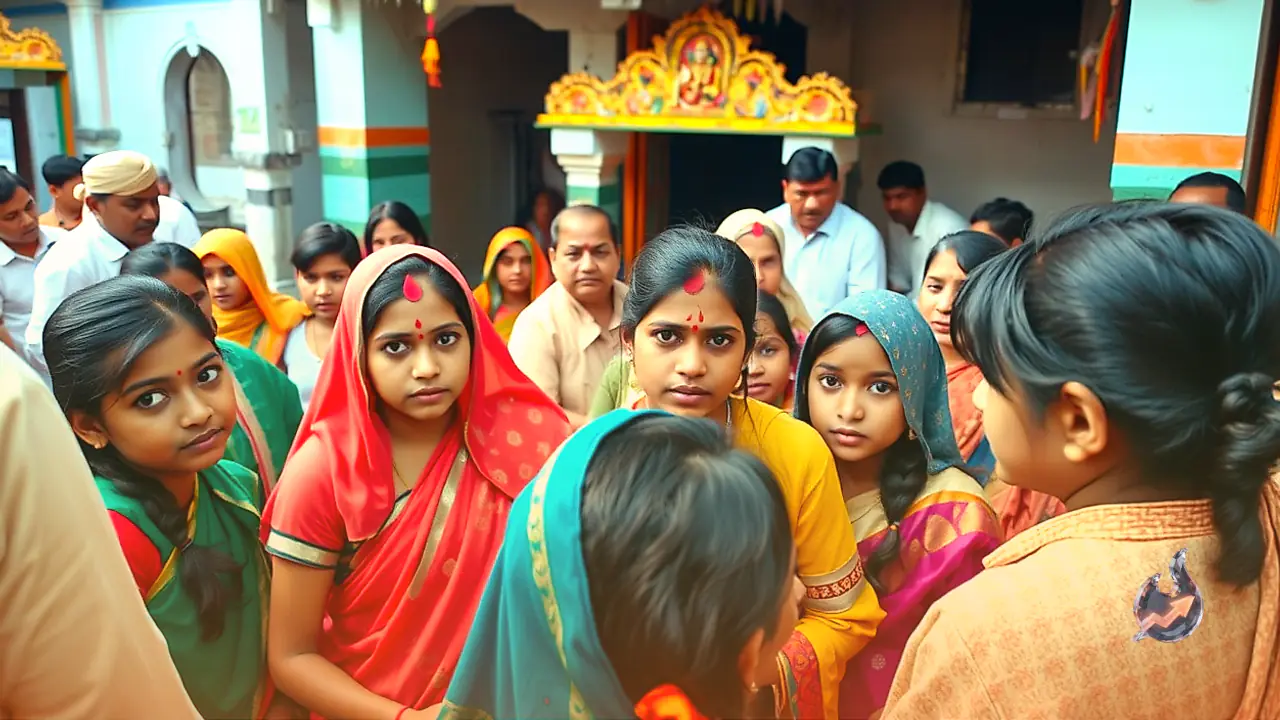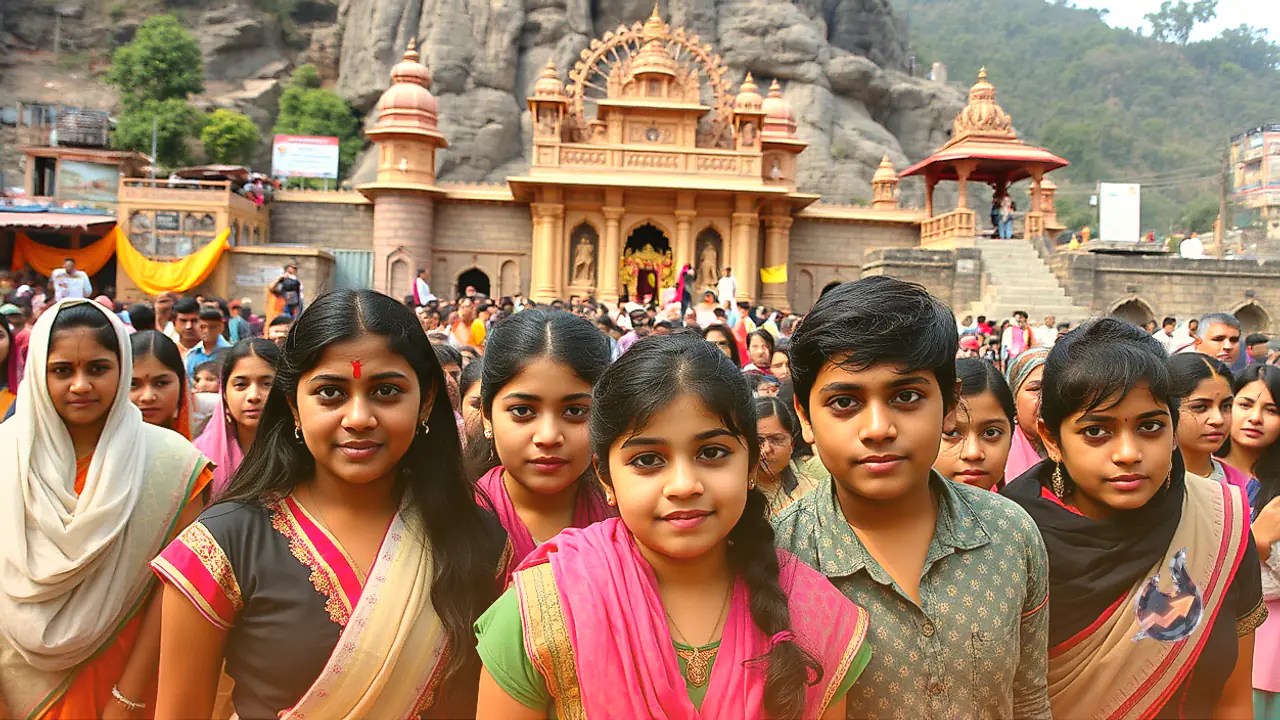




















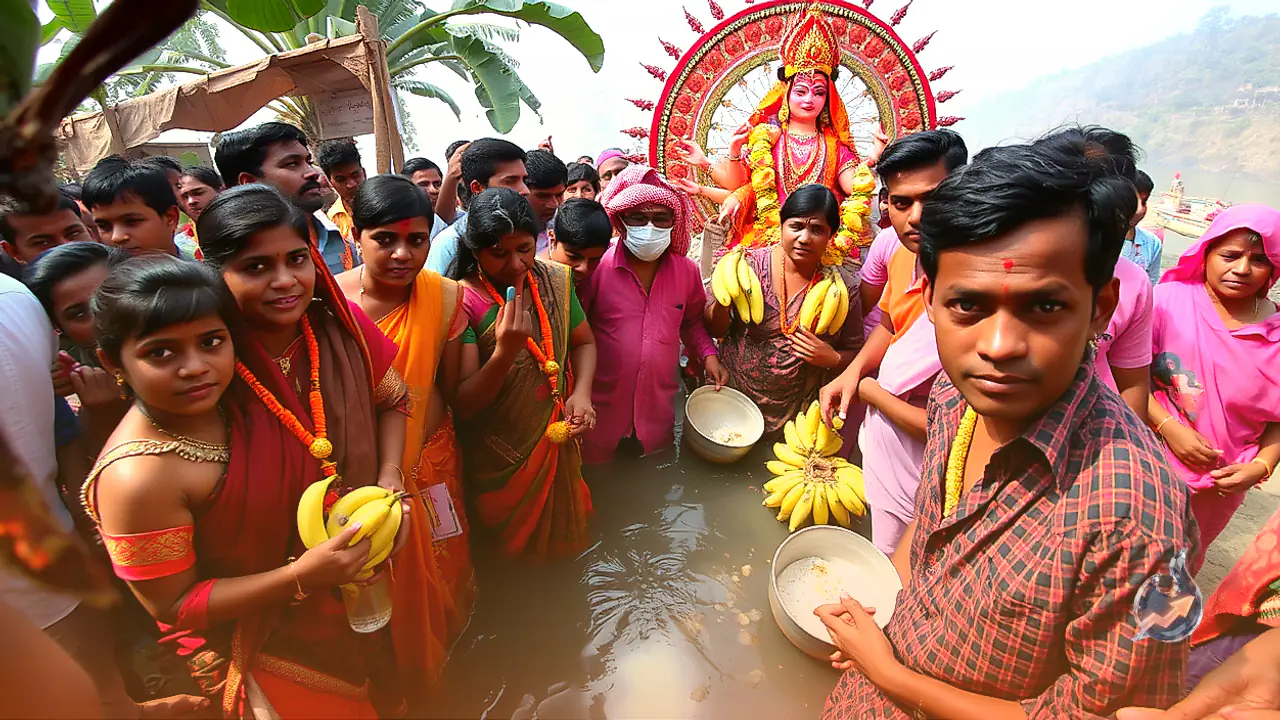

Nainital in Uttarakhand is widely known not only for its breathtaking natural beauty but also for its rich cultural heritage and unique religious traditions. The Durga Puja festival celebrated here stands as a beautiful symbol of faith, a deep connection with nature, and an amalgamation of Bengali culture. Alongside regular prayers to Goddess Durga, this celebration features distinct traditions that set it apart from other religious events. The celebration of Durga Puja in Nainital begins with the traditional practice of collecting water from nine water sources across the town. Rituals such as Dhunuchi Aarti, Sandhi Puja, and the custom of draping a saree around a banana plant remain major attractions for residents and visitors alike. Dolly Bhattacharya, the finance secretary of the Nainital Durga Puja Committee, shares that collecting water from nine water bodies holds special significance in these celebrations, marking the commencement of the festival with a traditional Kalash Yatra on Shashti.
Kalash Establishment and Ancient Water Traditions
Dolly Bhattacharya explains that in earlier times, instead of making large idols of Goddess Durga, devotees established a Kalash to perform the worship. It was traditionally believed that installing a Kalash filled with water collected from nine different rivers or natural water sources, along with a coconut placed on top, symbolized the divine presence of the Goddess. This enduring practice reflects a deep harmony between nature and spirituality. Similar customs of gathering water from natural rivers during Durga Puja are also practiced in West Bengal. During the Shashti rituals, the collected water is consecrated within the Kalash, forming the sacred focal point for invoking the blessings and worship of Goddess Durga throughout the festive days.
The Significance of Dressing the Banana Plant
Another prominent ritual during Nainital's Durga Puja takes place on the morning of Saptami. According to Dolly Bhattacharya, traditional beliefs dictate that Goddess Durga once expressed her happiness by stating she would be truly pleased when her son's wife was bathed, adorned, and worshipped. Fulfilling this symbolic sentiment, a banana plant is brought out on the morning of Saptami and given a ceremonial bath. Following the bath, the plant is gently smeared with turmeric, oil, and sandalwood paste, draped in a brand-new saree, and respectfully installed right beside the idol of Lord Ganesha. This unique ritual is viewed as a profound expression of respect toward nature and a continuation of cherished family traditions.
The Legend and Practice of Sandhi Puja
Sandhi Puja holds a place of utmost importance during the celebrations in Nainital, conducted precisely during the transitional juncture between Ashtami and Navami. Dolly Bhattacharya explains that according to traditional astrological calculations, the final 24 minutes of Ashtami and the initial 24 minutes of Navami constitute this sacred Sandhi period. It was during this precise junction that Goddess Durga assumed the fierce form of Chandi to vanquish the demons Chanda and Munda. To appease and soothe the Goddess during this ritual, symbolic offerings such as a pumpkin sacrifice are performed in various locations. The significance of this period is further enriched by legendary accounts, such as the tale of Lord Rama seeking to offer 108 lotus flowers to the Goddess, and nearly offering his own eye when a flower fell short, leading the Goddess to halt him in deep satisfaction.
Dhunuchi Aarti and Cultural Resonance
The traditional Dhunuchi Aarti adds a vibrant and energetic charm to the festivities in Nainital. In this ritual, incense is burned inside traditional clay or metal pots, and devotees dance before the deity to the rhythmic beats of the traditional Dhak drum. Tanishree Bhattacharya, a resident of Nainital, shares that this festival uniquely bridges nature with spirituality and is eagerly awaited by locals throughout the year. According to religious belief, the Dhunuchi dance performed during the Aarti symbolizes the fierce struggle and boundless power displayed by Goddess Durga during her historic battle against Mahishasura. Through these lively performances, the entire town immerses itself in the vibrant colors of devotion and cultural heritage.