



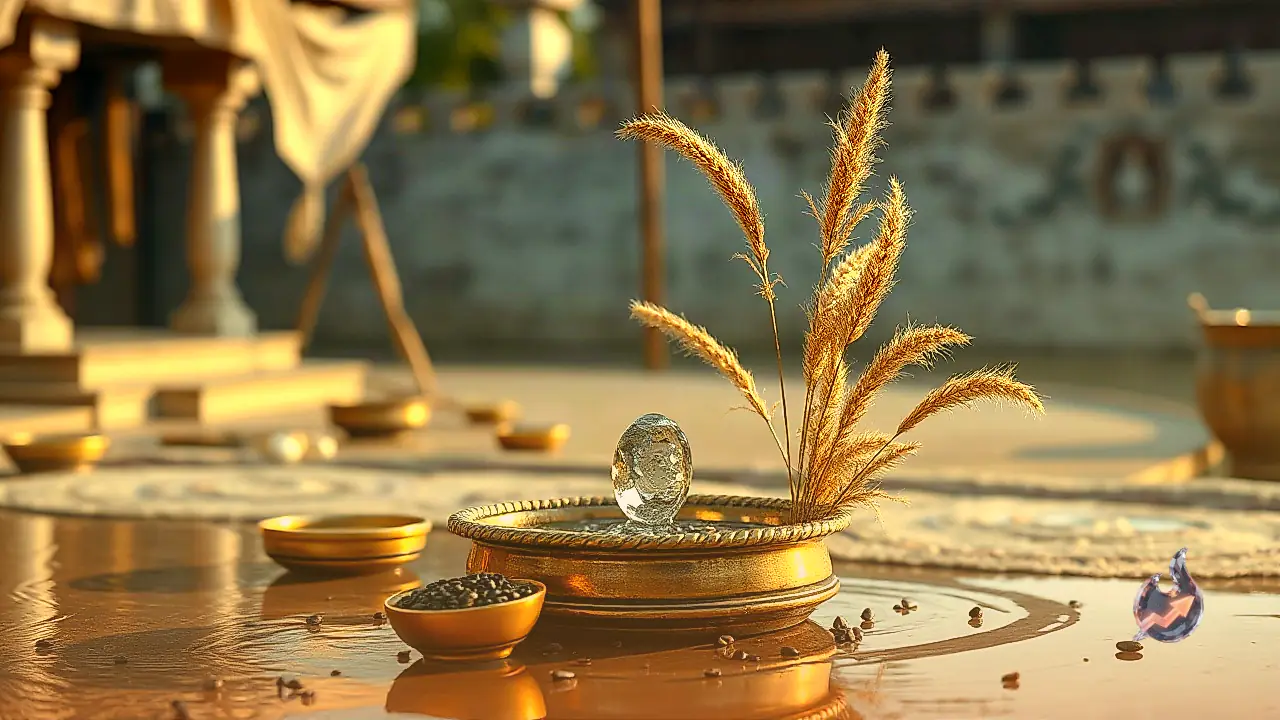














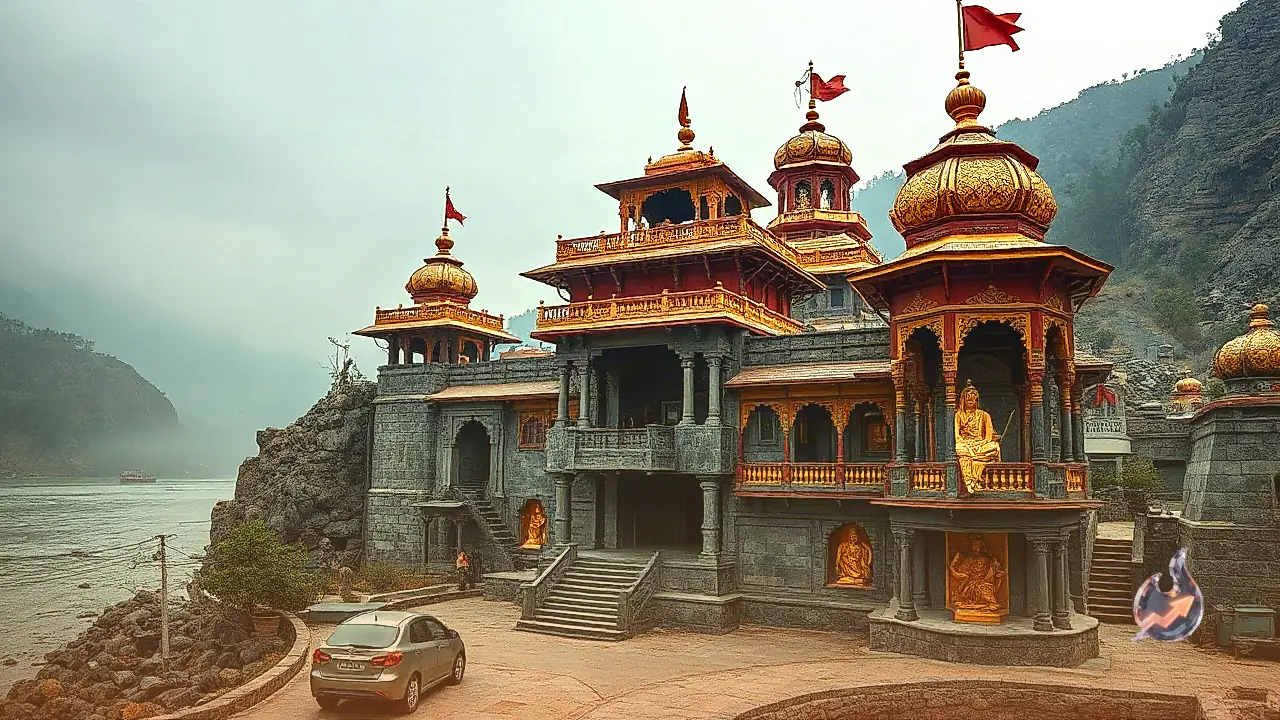

In Hindu tradition, the period of Pitru Paksha holds profound spiritual importance for offering peace, satisfaction, and ultimate liberation to departed ancestors. Commencing every year on the Pratipada tithi of the Krishna Paksha in the month of Ashwin, these sacred rites conclude on Ashwin Krishna Amavasya, widely known as Sarva Pitru Amavasya. During this auspicious fortnight, families across the nation perform rituals such as Shradh, Tarpan, and Pind Daan. While revered pilgrimage centres like Gaya, Kashi, and Haridwar attract numerous seekers, Brahma Kapal, located near Badrinath Dham in Uttarakhand, carries an extraordinary sanctity that sets it apart from all other sites.
The Sacred Alaknanda Riverbank and Final Ancestral Rites
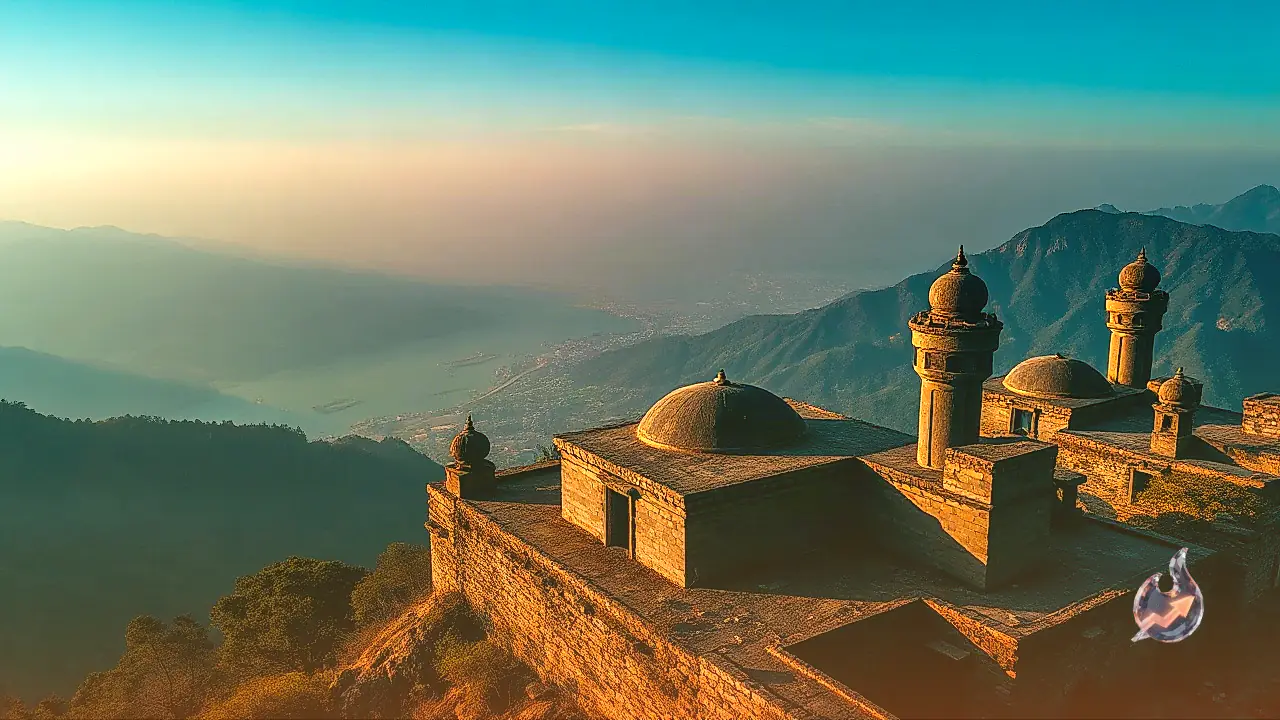
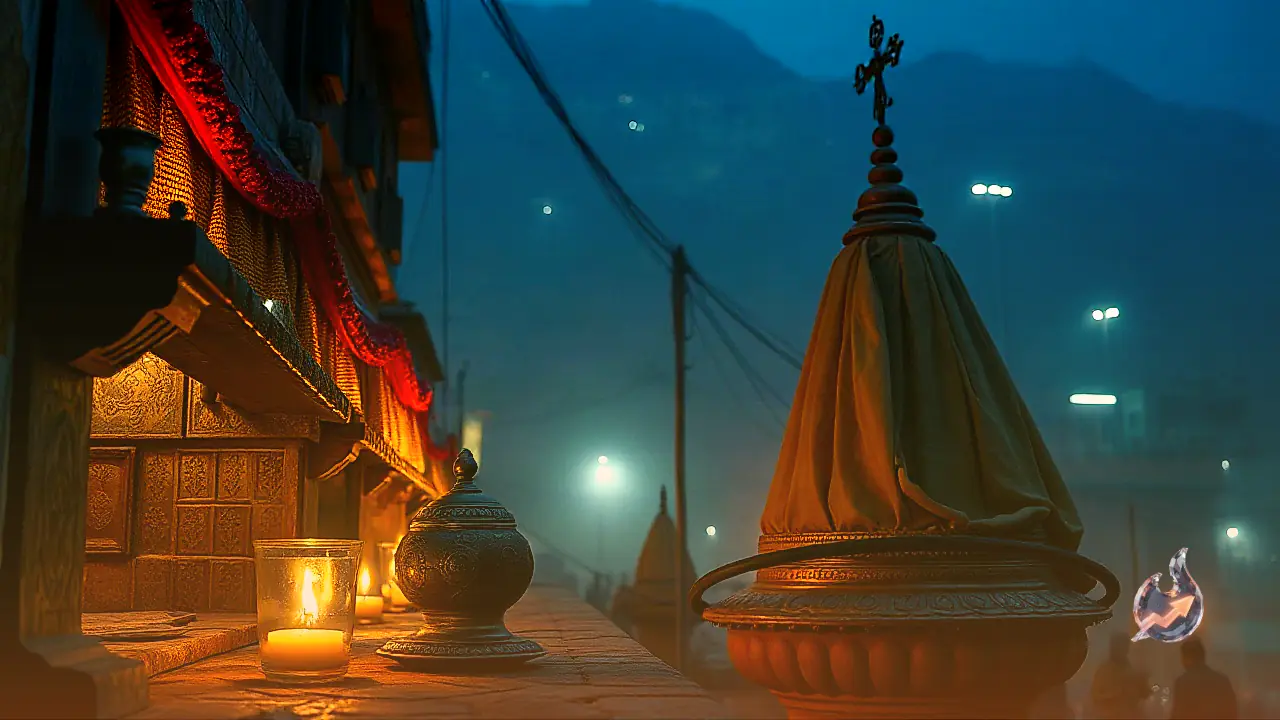
Situated directly along the banks of the holy Alaknanda River in close proximity to the Badrinath temple, Brahma Kapal is venerated as the ultimate ground for ancestral rites. A deeply rooted spiritual conviction holds that Pind Daan performed at Brahma Kapal serves as the conclusive ritual for an ancestor. Once the final offerings are administered at this consecrated spot, there is believed to be no requirement to conduct Pind Daan for that particular ancestor ever again. For this reason, pilgrims associate the Shradh rites conducted here directly with eternal liberation.
The Legend of Lord Shiva and Brahma Hatya Dosha
The spiritual prominence of Brahma Kapal is anchored in an ancient lore featuring Lord Shiva and Lord Brahma. According to sacred tradition, Lord Brahma originally possessed five heads during the creation of the universe. Over time, pride overcame Brahma, leading him to consider himself superior to all existence. To curb this growing arrogance, Lord Shiva severed Brahma's fifth head.
However, the act brought upon Mahadev the formidable affliction known as Brahma Hatya Dosha. The severed skull of Brahma adhered firmly to Lord Shiva's palm, resisting all attempts at removal. In pursuit of redemption, Lord Shiva wandered across various pilgrimage destinations while seeking alms. His journey finally led him to the sacred Badri region, where Brahma's skull detached from his hand and fell to the ground. The precise location where this divine occurrence unfolded came to be known as Brahma Kapal, liberating Lord Shiva from the lingering curse.
The Pandavas and Their Quest for Atonement
The sanctity of Brahma Kapal is also intricately linked to the Pandavas from the epic Mahabharata. Following the cataclysmic Kurukshetra war, the victorious brothers were tormented by remorse and guilt over the deaths of their own kin, elders, and comrades. To seek atonement and ensure lasting peace for the departed souls of their relatives and fallen warriors, the Pandavas engaged in solemn spiritual penance and ritual offerings tied to this venerated Himalayan territory.
Liberation from the Cycle of Birth and Death
Spiritual tenets state that performing Shradh and Pind Daan according to prescribed Vedic customs at Brahma Kapal grants ancestors immediate liberation, freeing their souls from the continuous cycle of birth and death. Because it brings absolute completion to ancestral obligations, it is universally termed the final Pind Daan. Throughout the duration of Pitru Paksha, large numbers of pilgrims journey to this Himalayan sanctuary beside Badrinath, remembering their forebears and carrying out solemn ceremonies for their eternal repose.