













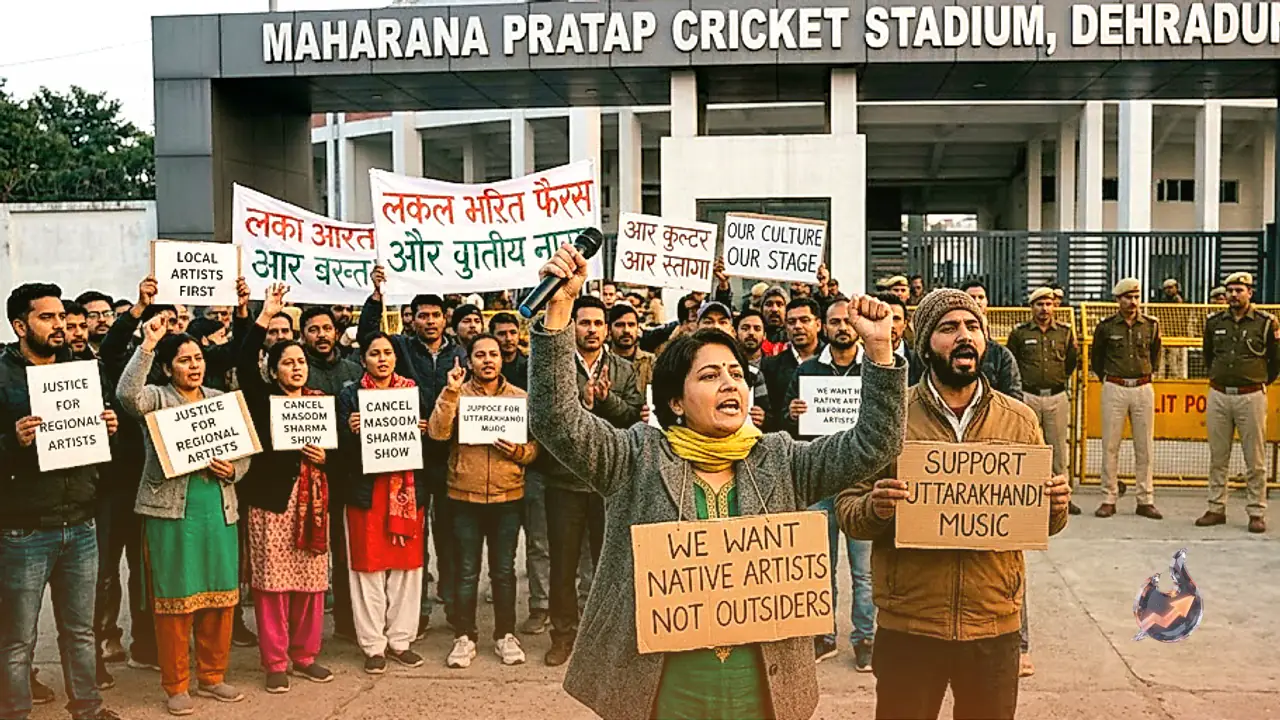

A sharp dispute over cultural priorities and stage representation has gripped Uttarakhand, igniting intense discussions across civic and artistic circles. Following the frictions surrounding folk singer Priyanka Meher's concert in Badrinath Dham and the prolonged payment dispute of prominent native music collective Pandavaas, a scheduled performance by Haryanvi singer Masoom Sharma has triggered widespread resistance. The artist is slated to perform at the closing ceremony of the Uttarakhand Premier League at Maharana Pratap Cricket Stadium in Dehradun, prompting a massive backlash across social media and on the ground. What began as a debate over musical choices has rapidly evolved into an emotive confrontation centered on regional heritage, cultural preservation, and institutional neglect.
Remembrance of Statehood Martyrs and Demands for Decency
Expressing deep discontent over the development, Dehradun resident Rajendra Bisht highlighted the foundational struggles of the hill state, noting that 42 statehood agitators made the supreme sacrifice during the movement for Uttarakhand's creation. He pointed out that while citizens strive continuously to safeguard their ancestral heritage, public platforms are being provided to acts that wound collective sentiments. Recalling an earlier incident at DAV PG College, Bisht stated that the singer had deployed offensive language on stage in the direct presence of state ministers, which he argued sets a detrimental precedent for the youth.
Sidelining of Regional Talents and Pandavaas Payment Dispute
The administrative stance and allocation of public stages have also faced severe scrutiny from local intellectuals and observers. Dr. Pankaj Painyuli raised fundamental questions about policy priorities, pointing out that performers from neighboring states are being accorded state-backed prominence while the legitimate dues of Uttarakhand's celebrated folk-fusion outfit Pandavaas have remained withheld since 2024. Painyuli argued that when the state itself is endowed with exceptional artistic talent, inviting external artists who have previously crossed boundaries of public decorum makes little sense. Public discontent had already been simmering after Pandavaas was compelled to release a formal grievance letter detailing their unpaid compensation.
Calls for Artistic Inclusivity Paired with Linguistic Propriety
Within the creative fraternity, some voices have advocated for an inclusive yet strictly regulated cultural dialogue. Dehradun-based folk artist Poonam Naithani observed that musical art forms transcend state boundaries, asserting that performers from other parts of the country should inherently be welcomed in Uttarakhand. Nevertheless, she underscored that the artistic expressions, vocabulary, and conduct on public stages must strictly adhere to dignified standards. Naithani insisted that vulgarity or coarse expressions cannot be tolerated at open public gatherings under the guise of entertainment.
Pending Criminal Charges and Pressure for Immediate Cancellation
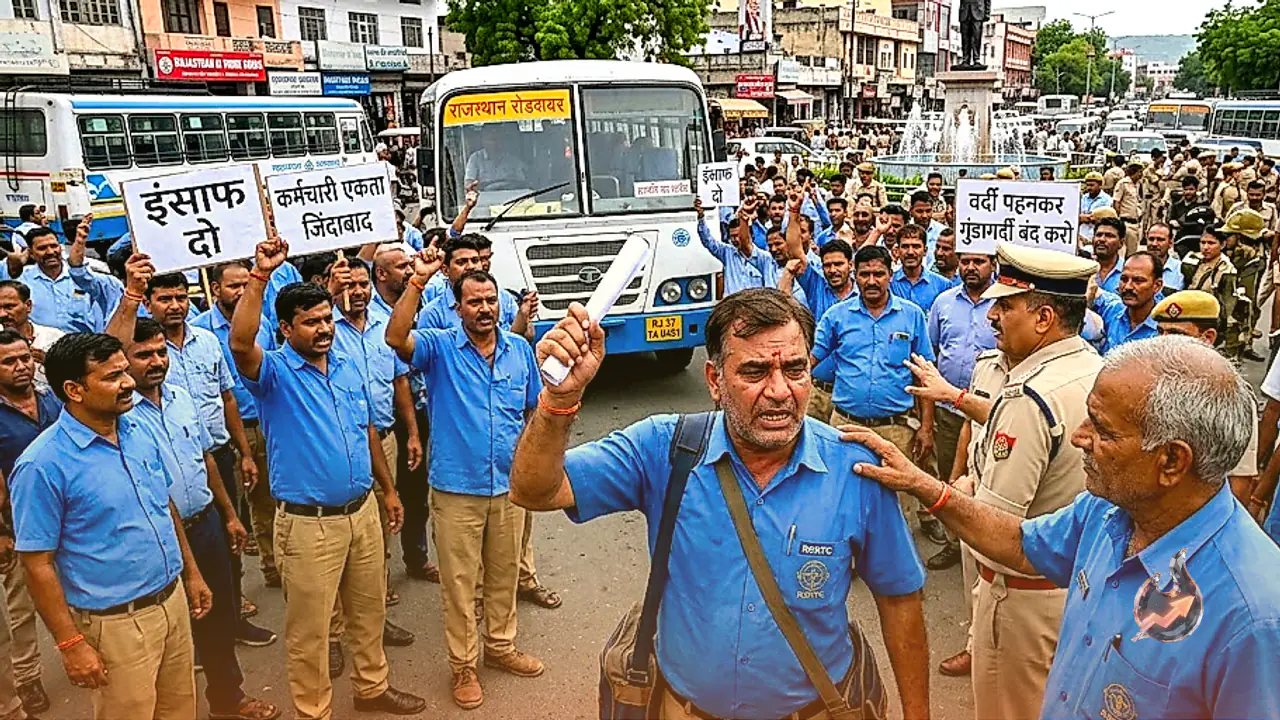
The controversy is further compounded by past legal proceedings stemming from the previous episode at DAV College, where Masoom Sharma was booked under Section 296 of the Bharatiya Nyaya Sanhita (BNS). With his return scheduled for 1 October 2026 at the Maharana Pratap Cricket Stadium for the Uttarakhand Premier League closing ceremony, civic opposition has intensified. Prominent socio-political organizations, including Bajrang Dal, Uttarakhand Kranti Dal, and Mool Niwas Evam Bhoo-Kanoon Samanway Samiti, have demanded that the administration step in and cancel the performance immediately. This standoff over regional identity and cultural respect continues to generate considerable socio-political heat across the state.