



















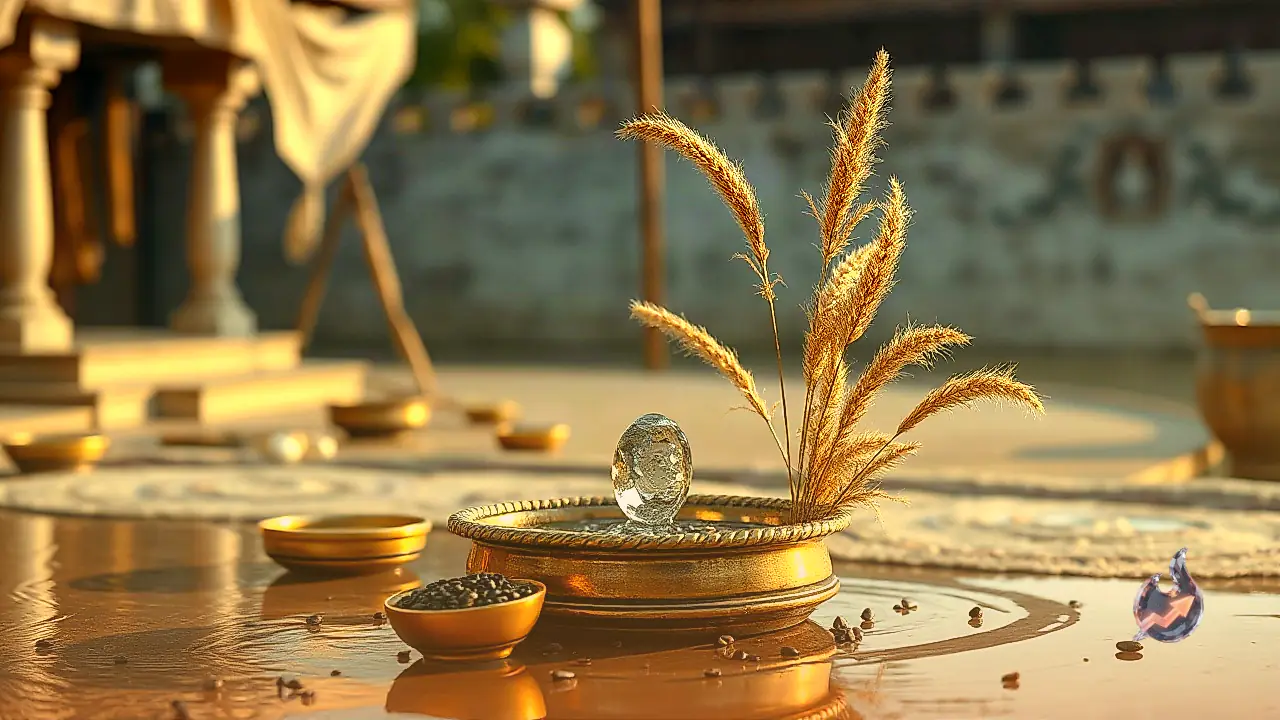

Pitru Paksha holds deep significance in Hindu tradition as a dedicated time to express gratitude, reverence, and devotion to ancestors. According to astrologer Akhilesh Pandey from Rishikesh, these days observe families remembering departed family members through shraddha, tarpan, pinda daan, and charitable offerings in alignment with their passing dates. Spiritual traditions highlight that offering water, preparing dedicated food, and assisting underprivileged individuals through donations during this fortnight yield immense spiritual merit. Devotees choosing to observe these rituals at home can seamlessly do so by adhering to proper spatial directions and customary requirements.
The Significance of Facing the Southern Direction During Tarpan
Selecting the correct orientation stands as a fundamental rule when conducting ancestor rites in a home environment. Established religious customs dictate that tarpan must be performed while facing the south direction, as traditional Hindu belief designates the south as being specifically associated with ancestors. Consequently, individuals offering water are instructed to align themselves facing southward during the pouring ritual.
Selecting an appropriate spot at home requires choosing an area that is spotless, orderly, and calm. Maintaining a peaceful and collected frame of mind throughout the ceremony is equally vital, allowing the person to meditate on the memories of ancestors and offer water with sincere devotion.
Essential Items Required for Conducting Tarpan at Home
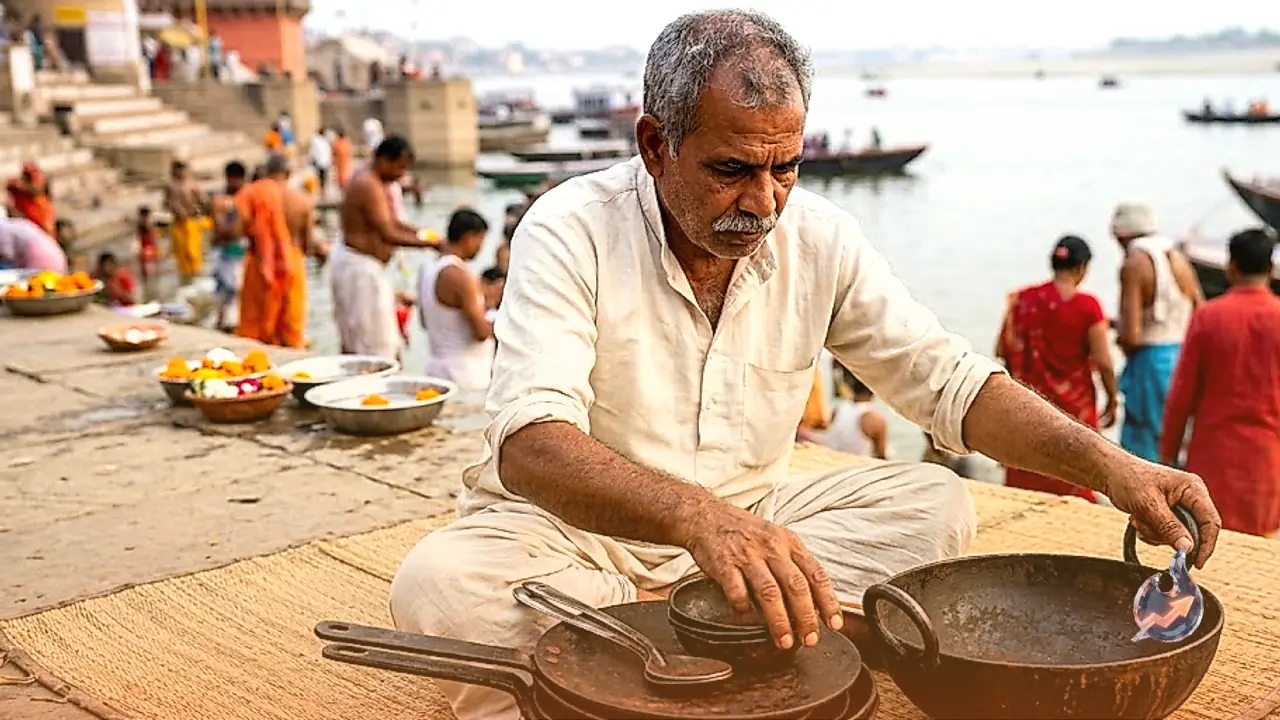
Conducting tarpan within household premises does not demand an elaborate array of supplies. The most essential element of the entire practice is clean water. Alongside water, the arrangement includes black sesame seeds, sacred kush grass, and a clean ritual container or vessel.
Routine ceremonial items such as fresh flowers, akshat (unbroken rice grains), and an oil lamp may also be set in place for standard worship. In addition to these ceremonial articles, individuals can arrange food, garments, food grains, or other essential utility goods based on their financial and personal capacity to be offered as charity.
Step-by-Step Procedure for Completing Ancestral Rites
To begin the ceremony, the designated ritual space should first be thoroughly cleaned and all required materials neatly arranged within reach. Once the setup is ready, the practitioner should sit with a tranquil disposition and mentally focus on the memory of departed ancestors.
In accordance with established traditions, black sesame seeds and kush grass are integrated into the water intended for tarpan. Devotees then turn to face the southern direction, invoking their ancestors' presence before offering the sanctified water. During this offering, one can respectfully recall each departed family member by their respective name.
After finishing the water offering, freshly prepared food is presented in memory of the ancestors. The comprehensive observance concludes by serving food to an individual in need, donating clothing, distributing grain, or giving any helpful item within one's personal capability, which remains an essential component of the complete shraddha ceremony.