




















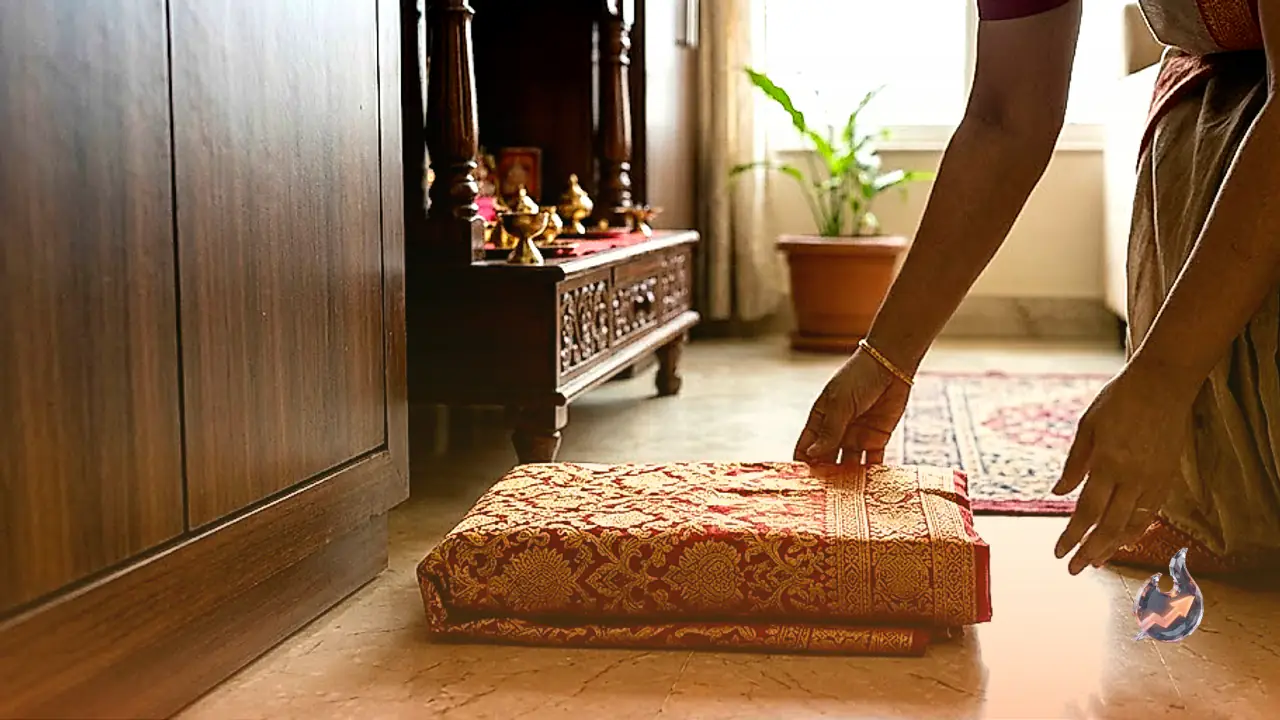

Every household object influences the flow of domestic energy, according to established architectural and spiritual principles. Vastu Shastra emphasizes that allocating the appropriate position and orientation to personal belongings attracts constructive energy and general well-being. Conversely, displacing sanctified articles from their designated stations invites adverse vibrations into the living space. There are five specific sacred items that should strictly never be placed directly on the floor, as mishandling them is believed to generate severe Vastu imbalances, domestic unrest, and financial depletion.
Never Rest the Shivling Directly on the Ground
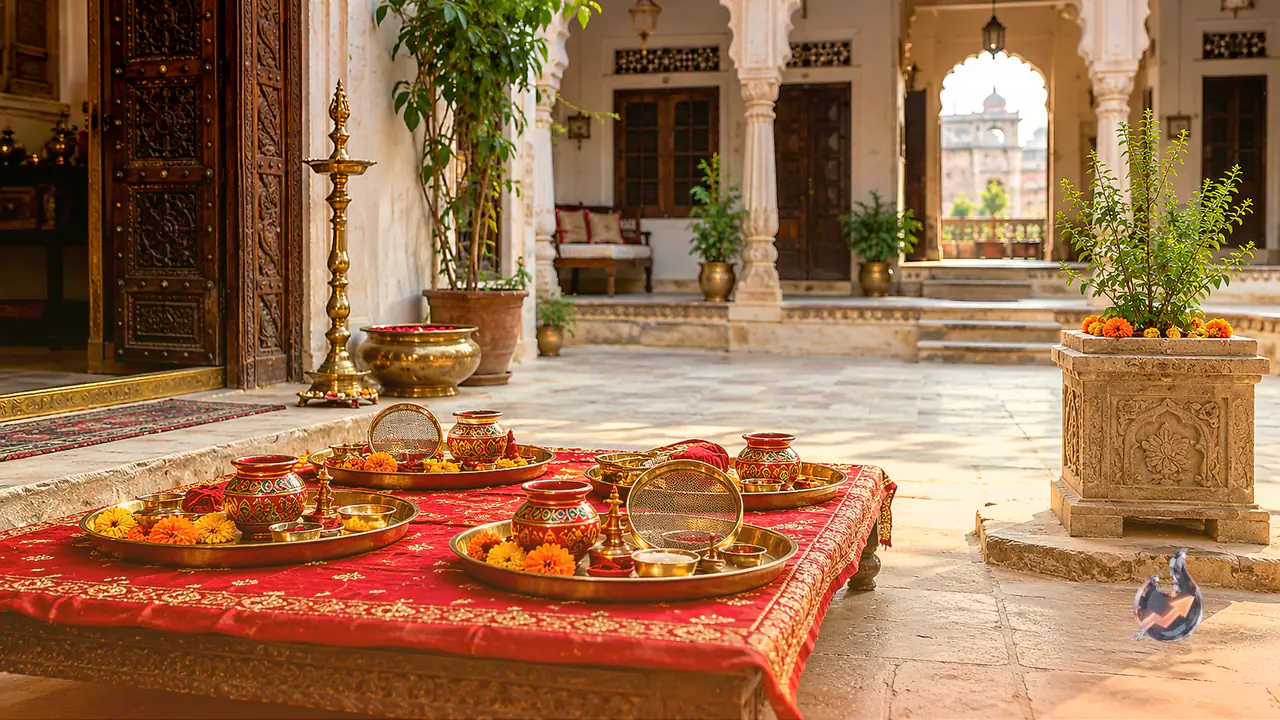
The Shivling, representing Lord Shiva, holds deep reverence and requires meticulous care in a home setting. For domestic harmony, installing a Narmadeshwar or Parad Shivling is recommended. This sacred representation must always occupy an elevated, spotless platform either within the household prayer area or towards the northeast zone. Once properly consecrated and placed, the Shivling should not be casually relocated. Above all, setting it down directly upon the ground interferes with its spiritual resonance, which can introduce instability and unpredictable fluctuations in personal life.
Proper Placement Rules for the Shaligram
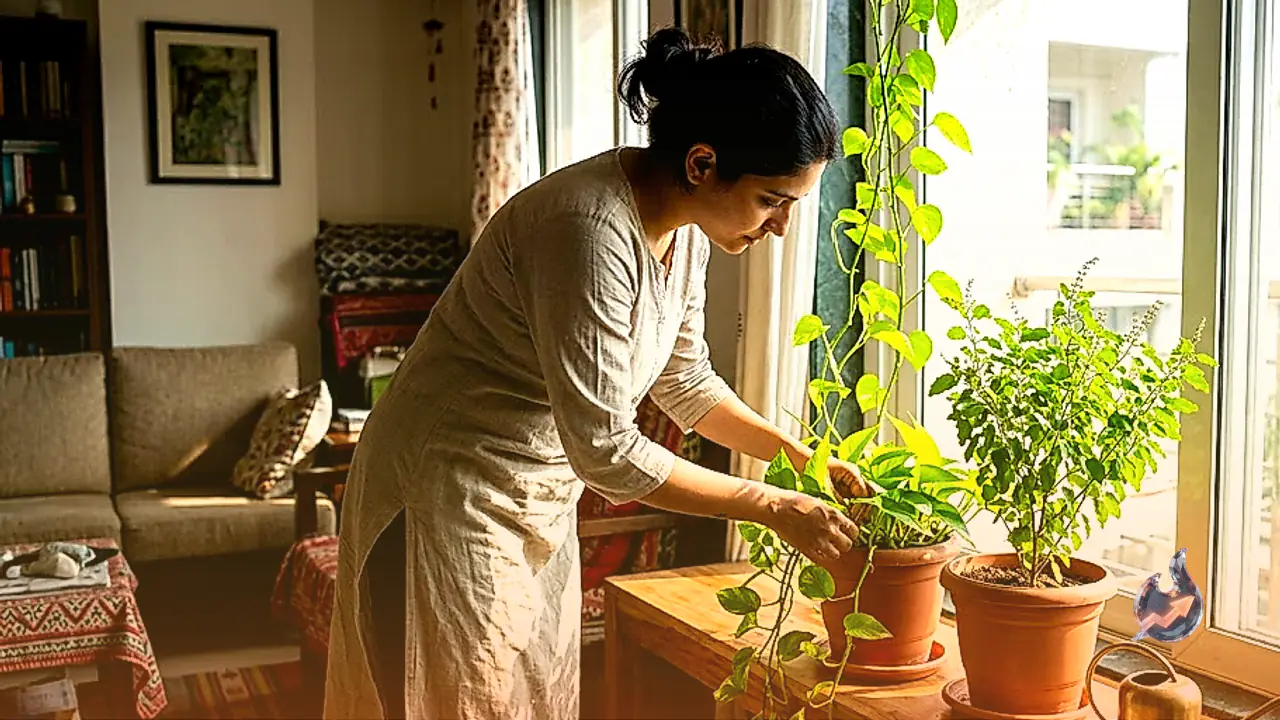
The Shaligram stone is revered as an embodiment of Lord Vishnu. While its presence is considered auspicious for domestic prosperity, it demands strict adherence to spatial protocols. According to Vastu traditions, a Shaligram should be enshrined inside the home temple or positioned alongside a holy basil (Tulsi) plant. Allowing a Shaligram to contact the bare floor is considered a major spiritual lapse that diminishes positive household vibrations.
Handling Idols and Framed Deities Carefully
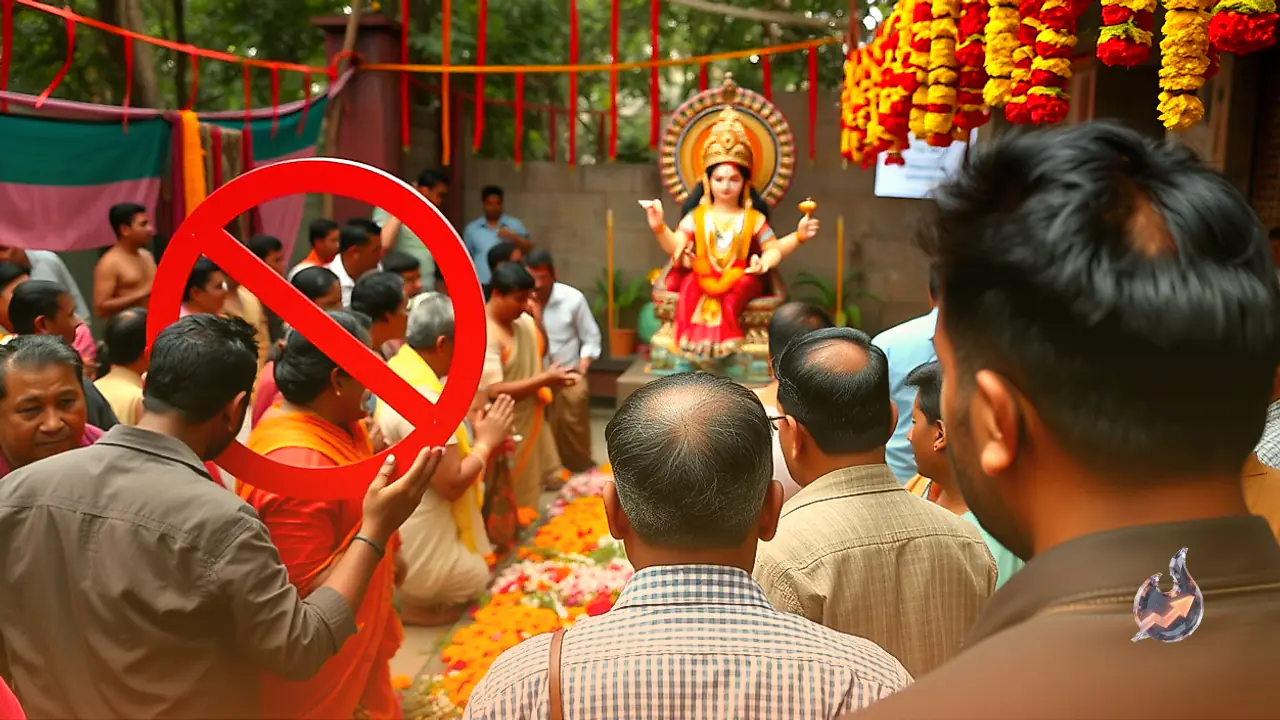
Depictions of deities, whether in the form of sculpted idols or framed artwork, must be treated with consistent respect. During cleaning routines or room reorganization, residents occasionally set these sacred images down on bare flooring, violating core Vastu tenets. Placing any idol or portrait directly on the ground triggers domestic energy defects that can impede progress and create friction among residents.
Respecting Sacred Conches and Mystical Yantras
Conch shells and consecrated yantras occupy a vital role in domestic spiritual practices. The conch represents Lord Vishnu, meaning that laying it down on the floor is regarded as a sign of profound disrespect. Similarly, sacred geometric yantras serve as focal points of divine energy within the dwelling. Permitting conches or yantras to touch the ground disrupts their constructive frequency, potentially sparking household strife and triggering serious monetary difficulties.
Dignified Storage of Scriptures and Sacred Texts
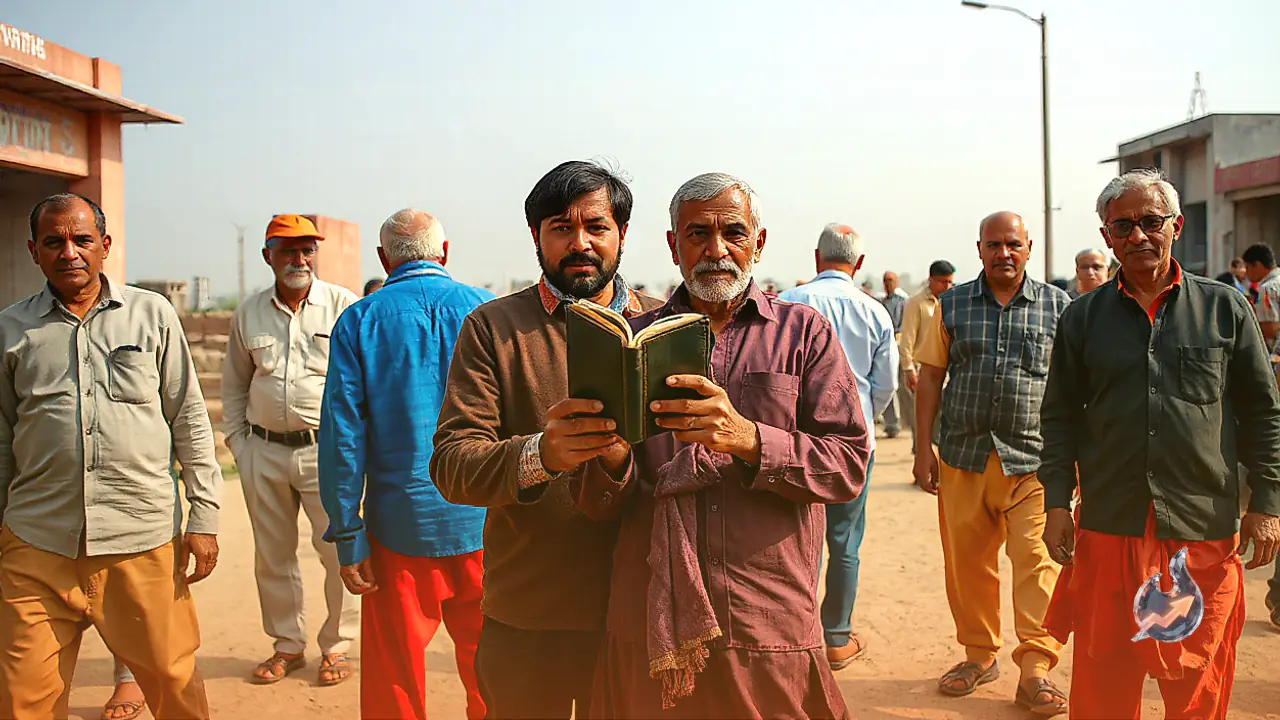
Venerable scriptures, including the Vedas, Puranas, Ramayana, Mahabharata, and the Bhagavad Gita, embody supreme wisdom and cultural heritage. Leaving these foundational texts on the floor is strongly discouraged under Vastu guidelines. Allowing sacred literature to touch bare flooring is believed to erode intellect, clarity of thought, and practical discernment. Such volumes should invariably be placed on elevated book stands, clean fabric covers, or dedicated shelves.