


















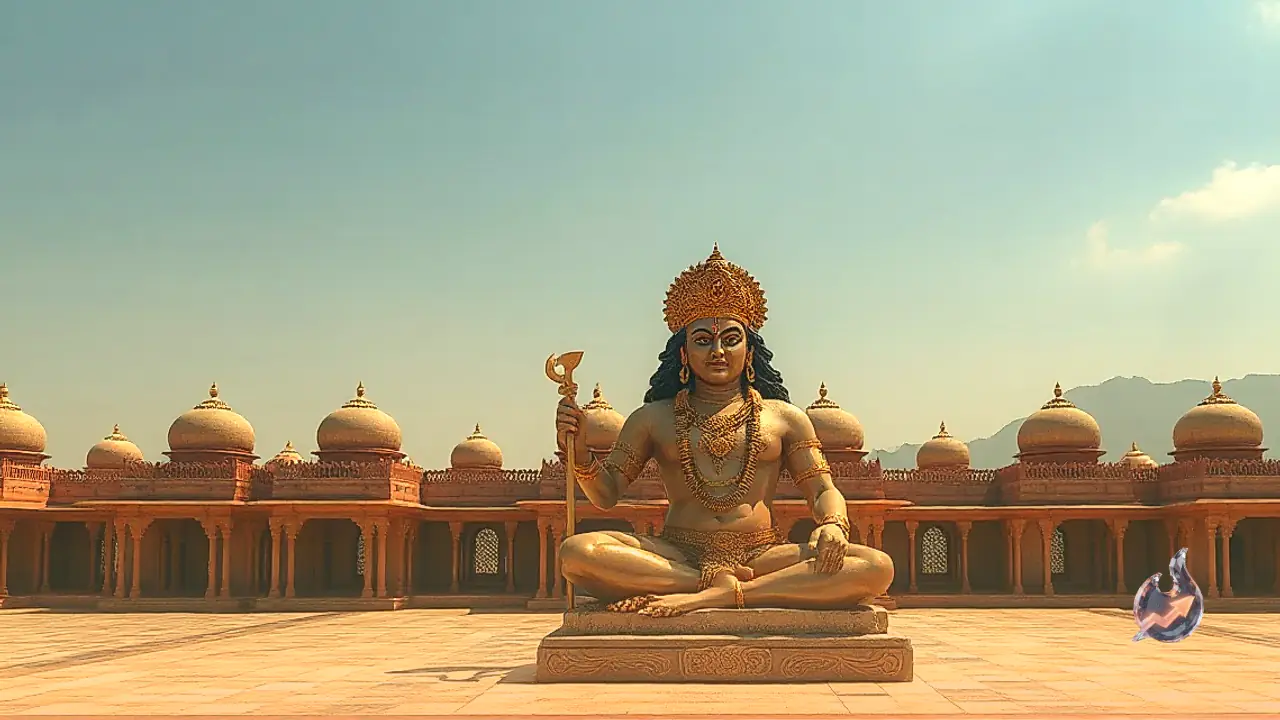

In Sanatan tradition, devotion to Lord Hanuman is deeply revered for removing obstacles and dispelling adversity. Among his various divine forms, the five-faced manifestation, known as Panchmukhi Hanuman, holds immense spiritual power. Faith dictates that worshipping this formidable form bestows courage, good health, prosperity, wisdom, and victory over all hardships. According to religious beliefs and traditional lore, installing an image of Panchmukhi Hanuman at home brings peace, stability, and divine protection to the entire household.
The Legend Behind the Origin of Panchmukhi Hanuman
According to ancient scriptures, during the epic battle of Ramayana, Ravana's brother Ahiravan covertly abducted Lord Ram and his younger brother Lakshman, taking them away to Patal Lok (the netherworld). Ahiravan intended to sacrifice both brothers in a ritual to secure his ultimate victory. Upon learning of this, Lord Hanuman immediately journeyed to Patal Lok to rescue Lord Ram and Lakshman.
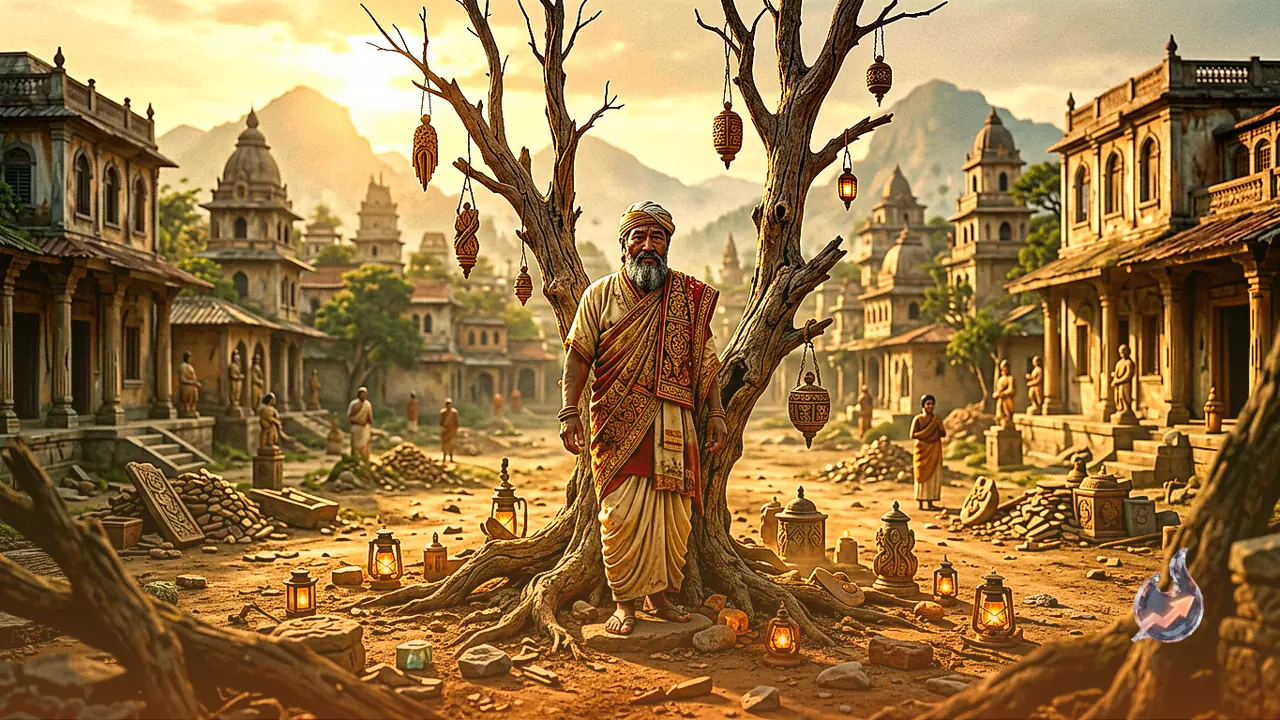
Upon arriving in the netherworld, Hanuman discovered that Ahiravan possessed a unique mystical protection: he could only be defeated if five ritual lamps burning in five different directions were extinguished simultaneously. To counter Ahiravan's magical boon, Hanuman assumed the grand Panchmukhi form with five distinct faces. Acting with extraordinary speed and intelligence, he blew out all five lamps at the exact same moment across all five directions. With the lamps extinguished, Ahiravan lost his protection and was slain, allowing Hanuman to safely liberate Lord Ram and Lakshman.
Significance and Blessings of the Five Divine Faces
Each of the five faces of Panchmukhi Hanuman is associated with a specific direction, a divine incarnation, and distinct spiritual blessings.
- Vanar Mukh (Monkey Face): Positioned as the central face and oriented toward the East, this represents Hanuman's primary form. It is associated with courage, fame, purity, and unwavering devotion, symbolizing total dedication to the Divine.
- Narsingh Mukh (Lion Face): Facing South, this face represents Lord Narsingh. It is believed to grant freedom from fear, victory over enemies, and strong protection against negative forces.
- Garuda Mukh (Eagle Face): Facing West, this form is associated with Lord Garuda. It symbolizes protection against toxic influences, unexpected hurdles, and harmful energy surrounding the home.
- Varah Mukh (Boar Face): Oriented toward the North, this face represents Lord Vishnu's Varaha incarnation. It is linked with physical health, longevity, life stability, and material prosperity.
- Hayagriva Mukh (Horse Face): Directing upward toward the sky, this face corresponds to Lord Hayagriva. It represents supreme knowledge, intellect, and success in learning, making it particularly sacred for students and seekers of wisdom.
Ideal Vastu Directions to Place Panchmukhi Hanuman at Home
When placing an image or idol of Panchmukhi Hanuman in a dwelling, Vastu principles emphasize selecting the appropriate location to maximize positive subtle energies and ward off unfavorable influences.
According to Vastu guidelines, installing the image near the main entrance of the house is considered highly auspicious. This placement acts as a protective shield, preventing negative energy or malicious eyes from entering the living space. Alternatively, the image can be gracefully displayed in the drawing room or living room.
Regarding cardinal directions, placing the Panchmukhi Hanuman image in the South direction is considered exceptionally beneficial. Additionally, setting up the picture in the South-West direction (known as the Nairitya corner) is believed to provide strong protection against adverse forces, ensuring harmony, safety, and well-being for all family members.