
The central government has intensified work on a comprehensive multi-dimensional infrastructure development plan to strategically fortify and secure the Siliguri Corridor, widely known as the Chicken's Neck, which serves as the vital land bridge connecting India's northeastern states to the rest of the nation. Various strategic projects involving the armed forces, the Ministry of Railways, the Ministry of Road Transport and Highways, the Ministry of Home Affairs, and border security agencies are currently being formulated and executed keeping the immense geopolitical significance of this region in view. The primary objective behind these coordinated initiatives is to minimize reliance on any single road, railway line, or transport network during emergency situations or wartime scenarios, thereby establishing robust alternative routes right up to the Northeast.
Geographical Vulnerability and Strategic Importance
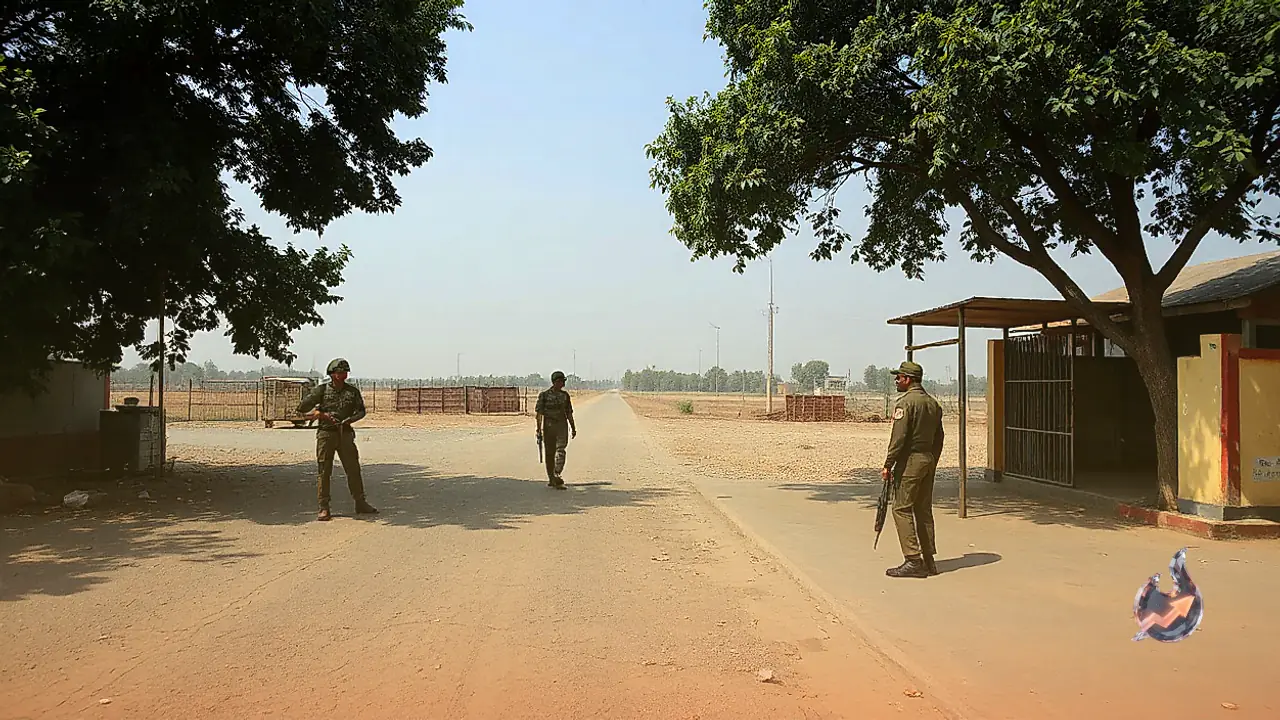
The Siliguri Corridor, commonly referred to as the Chicken's Neck, is situated entirely within the state of West Bengal. This narrow strip of land links the principal part of India with eight northeastern states, making its distinct geography extremely sensitive from a national security perspective. Flanked by Nepal on one side and Bhutan and Bangladesh on the other, the region also lies in close proximity to China's Tibet region and the Doklam plateau. Consequently, upgrading military deployments, weapons storage facilities, robust communication frameworks, and modern transportation networks within this corridor stands among India's highest strategic priorities.
Underground Ammunitions Storage and Defense Depots
To significantly reinforce defense preparedness within the Siliguri Corridor, plans have been finalized to construct underground ammunition storage facilities across the terrain. Under this initiative, a total of 12 underground Army Air Defence (AAD) ammunition storage facilities are slated to be built. Furthermore, proposals include the creation of one underground long-range vector (LRV) ammunition storage facility for long-range weaponry alongside 21 overground LRV ammunition emplacements. The total estimated cost of these strategic defense projects has been pegged at approximately Rs 297 crore. The principal purpose of these installations is to safeguard critical military ammunition securely. The underground storage units will play a crucial role in protecting vital weapons and defense assets from potential enemy aerial strikes, drone attacks, and other hostile military actions, especially in such a constricted geographical area where the security of military bases and supply hubs remains paramount.
Secure Command Centers and Military Modernization
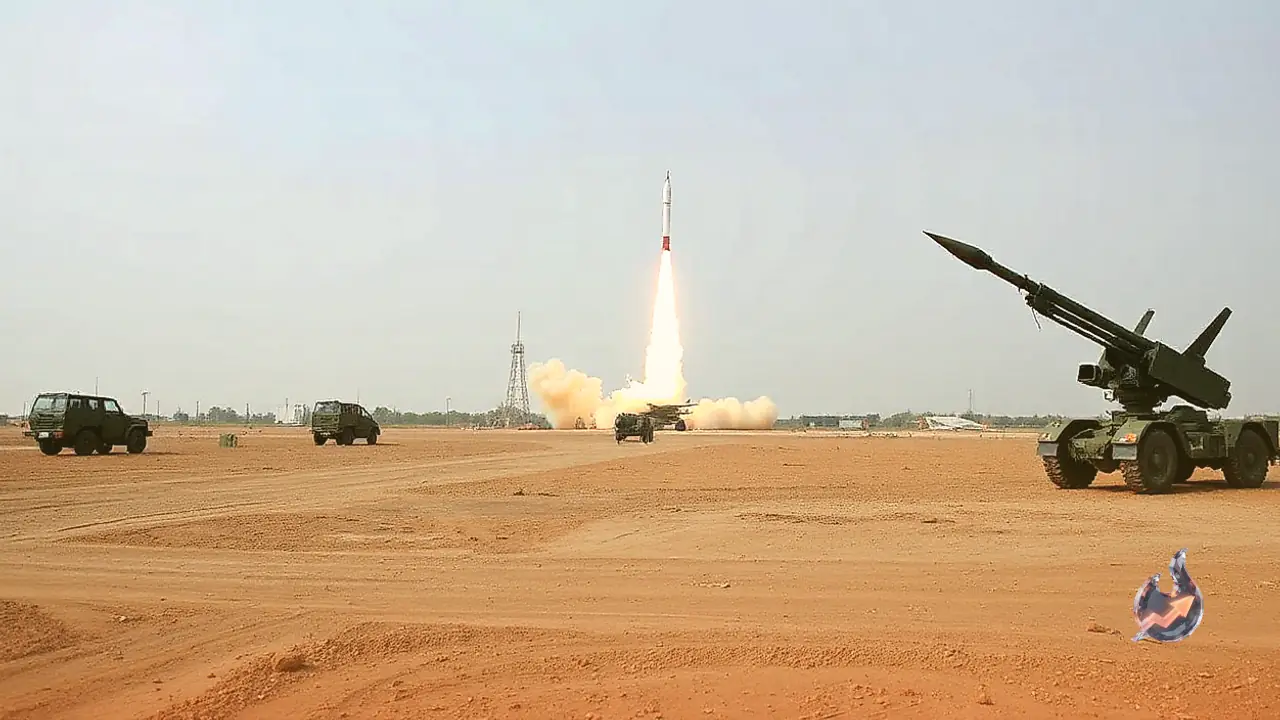
Plans are also actively underway to develop subterranean infrastructure designed to protect the army's core command and control apparatus. Under the Army Modernization Works Program (AMWP) with an allocation of Rs 237 crore, authorities plan to construct five underground command and control centers, six underground communication centers, two vital storage spaces, three underground LRV ammunition storage facilities, and 12 bomb shelters. The overarching aim of these installations is to ensure that military operations and communication channels remain entirely uninterrupted during active warfare or unforeseen emergencies. Even in scenarios involving electronic warfare, targeted cyber or physical attacks on communication networks, or intense aerial bombardment, these underground command centers will empower military commanders to maintain uninterrupted operational control, thereby minimizing any potential disruption to decision-making and counter-strike capabilities. Notably, the S-400 air defence system has already been deployed within the Eastern Command.
Railway Connectivity Expansion and Bullet Train Link
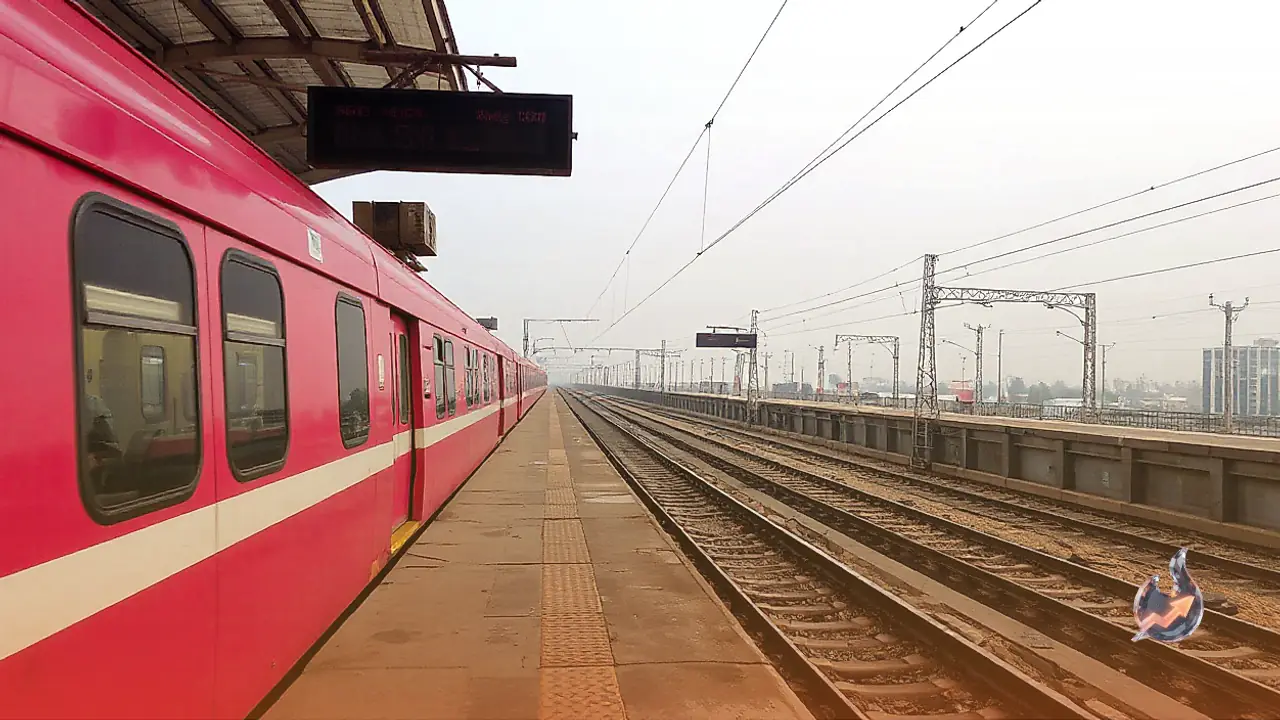
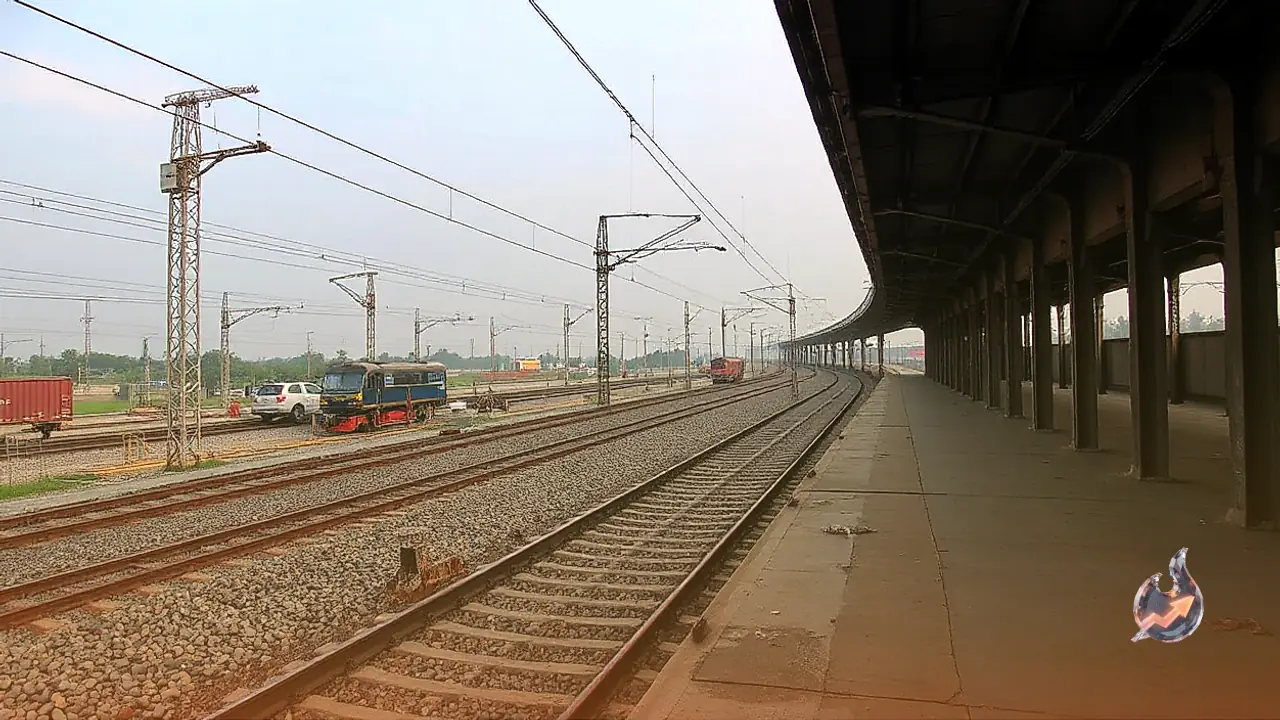
Strengthening railway connectivity within the Siliguri Corridor forms another crucial component of this comprehensive security strategy. Work is currently underway on plans to construct an underground railway tunnel through the corridor alongside the doubling of the New Jalpaiguri-Siliguri and Thakurganj-Siliguri rail sections. Additionally, concrete plans are in place to connect this strategic region with a high-speed bullet train network. The expansion of railway tracks and the development of underground routes will substantially increase transportation capacity within the region while reducing heavy reliance on existing surface routes. This infrastructure upgrade will facilitate the smooth movement of civilian passengers and commercial freight during peacetime while guaranteeing essential supplementary pathways for the rapid deployment of troops, heavy military equipment, and critical logistical supplies to the Northeast whenever required.
Road Transport, Expressways, and Alternative Bridges
Key initiatives proposed by the Ministry of Road Transport and Highways include the construction of the six-lane Gorakhpur-Siliguri Expressway, a brand-new six-lane road bridge serving as a viable alternative to the Coronation Bridge, and the development of the Siliguri Ring Road. Alongside these projects, plans have been laid out to widen National Highway-27 and National Highway-17 into four-lane corridors to substantially enhance their traffic-handling capacities. These interconnected projects will collectively alleviate severe traffic congestion within Siliguri city and provide a major boost to interstate transportation. Crucially, the creation of alternative bridges and a dedicated ring road ensures that if any single bridge or road suffers a disruption, alternative transit channels can be immediately utilized to maintain unhindered civilian traffic and seamless movement for military convoys.
Upgrading Strategic Road Links and Alternate Routes
To further improve strategically crucial road connections, plans have been drawn up to upgrade three alternative routes linking National Highway-17 and National Highway-27. Additionally, the Sevoke-Rangpo section of National Highway-10 will undergo comprehensive upgrades to make it fully compatible with heavy military vehicle traffic, proposed to be developed in adherence to heavy-load-bearing defense standards established by NHIDCL. National Highway-10 serves as an indispensable lifeline connecting Siliguri directly to the state of Sikkim. Strengthening this arterial highway and its associated alternative communication links will guarantee the smooth transit of military vehicles, heavy engineering equipment, and logistical supplies while providing backup routes in the event of any localized route blockage. Furthermore, integrating this vital corridor into the upcoming bullet train network remains an integral part of the broader regional connectivity vision.