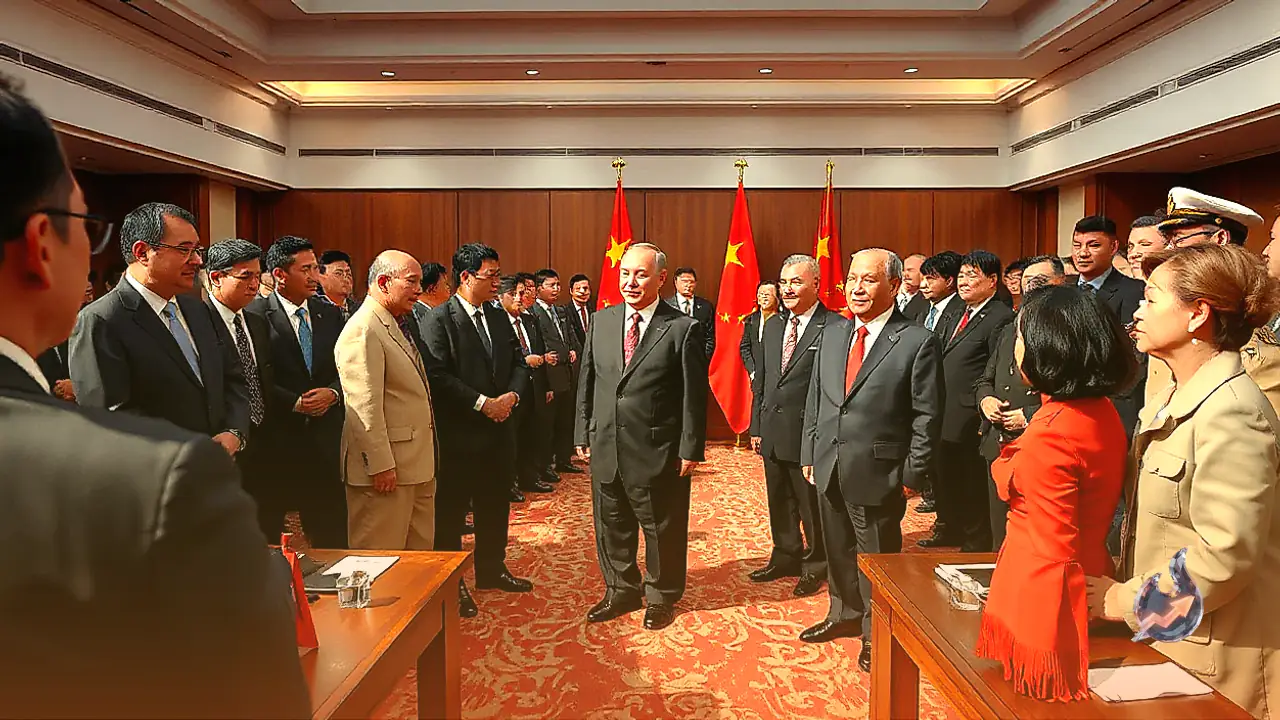

India and Japan have taken a significant leap forward in defense cooperation, paving the way for joint military trials and enhanced strategic alignment. During official visits by Defense Minister Rajnath Singh and External Affairs Minister Dr S Jaishankar to Tokyo, both nations reached a crucial understanding regarding the use of Indian testing facilities. Japanese Defense Minister Shinjiro Koizumi stated that they agreed for Japan's Self-Defense Forces to utilize an Indian firing range for the very first time next year. This strategic milestone will enable Tokyo to test its advanced long-range defense hardware on Indian soil.
Why the Bay of Bengal Range Matters
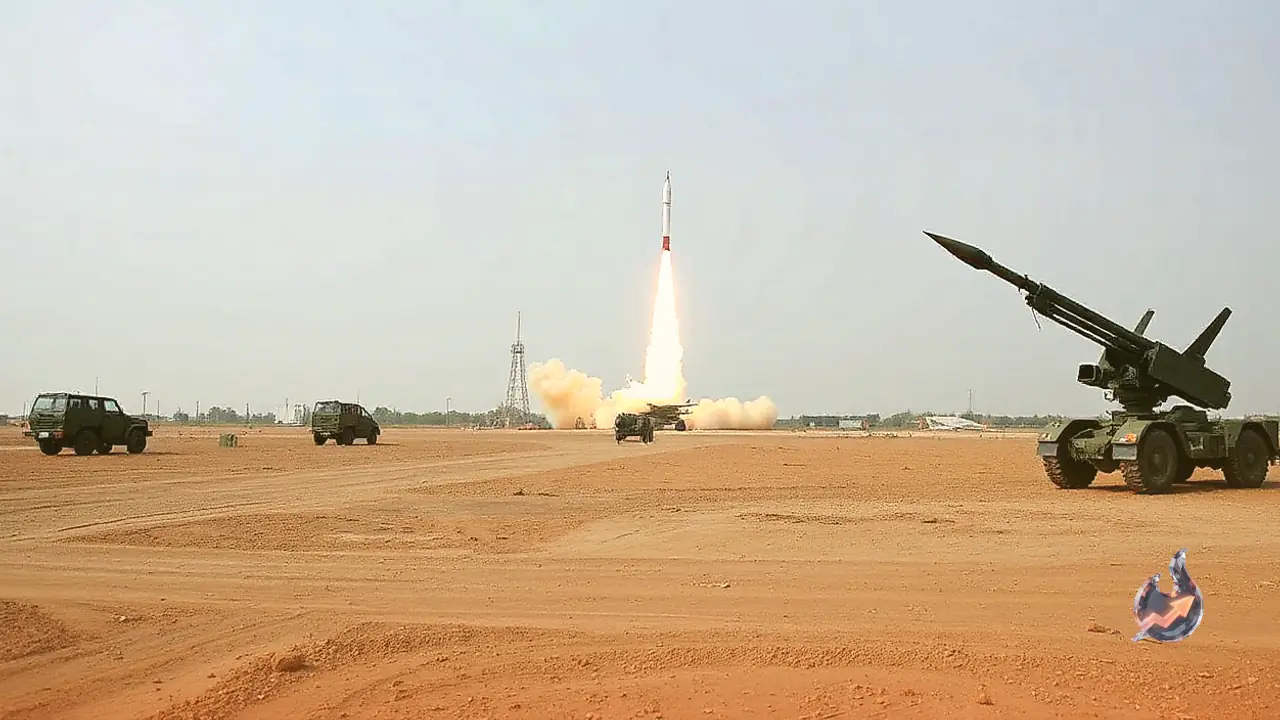
Japan specifically needed a secure and expansive testing ground to evaluate its advanced Type-25 anti-ship missiles, which boast a range of about 1,000 kilometers, alongside compact attack drones. Japanese military officials previously inspected potential testing sites along India's eastern seaboard. The testing ranges situated near the Bay of Bengal offer vast maritime sectors coupled with state-of-the-art tracking infrastructure, making them an ideal location for these complex trials. Following comprehensive ministerial talks, both governments are in the process of finalizing this collaborative arrangement to deepen military interoperability across the Indo-Pacific.
Milestone Partnership Ahead of Diplomatic Anniversary
This defense breakthrough arrives just ahead of the 75th anniversary of diplomatic relations between the two nations, slated for 2027. The timing underscores the growing maturity of bilateral security ties. During discussions in Tokyo, Rajnath Singh emphasized that both nations are actively strengthening their special strategic and global partnership. The expanding cooperation is already visible through joint exercises, including the recent Veir Guardian 26 drills, which marked the inaugural deployment of fighter jets from Japan's Air Self-Defense Force in India.
Boosting Defense Manufacturing and Joint Innovation
The high-level talks also focused heavily on industrial collaboration, anchored by the framework of design with Japan and Make in India. Both sides explored ways to accelerate joint defense production, finalize upcoming ship-repair agreements, and enhance mine countermeasures capabilities. Further cooperation was solidified in maritime security, air and maritime domain awareness, search and rescue operations, information sharing, and underwater technology.
Commitment to Regional Stability and Global Rules
Concluding the bilateral engagements, Rajnath Singh reiterated that India and Japan firmly support the peaceful resolution of regional and global disputes. He noted that both countries remain fully dedicated to upholding international law and ensuring a free and open order. This expanding defense arrangement is expected to reinforce maritime stability and strategic deterrence throughout the broader Indo-Pacific region.