





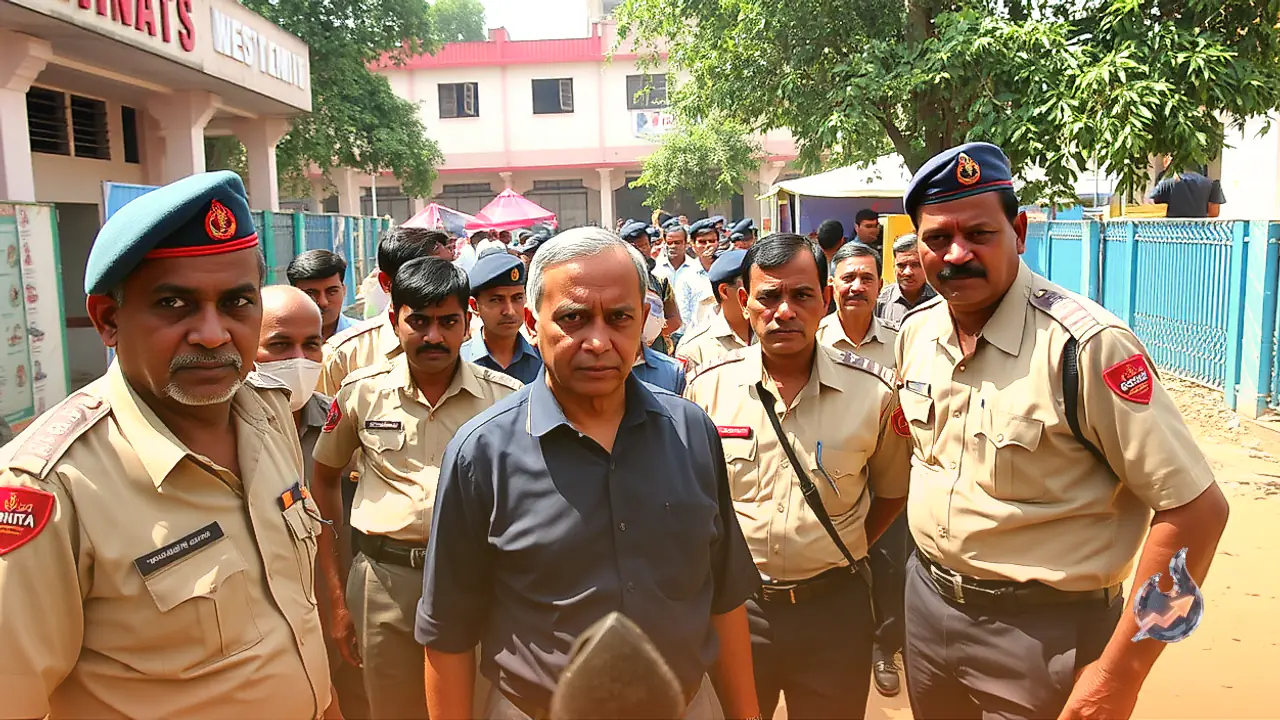

















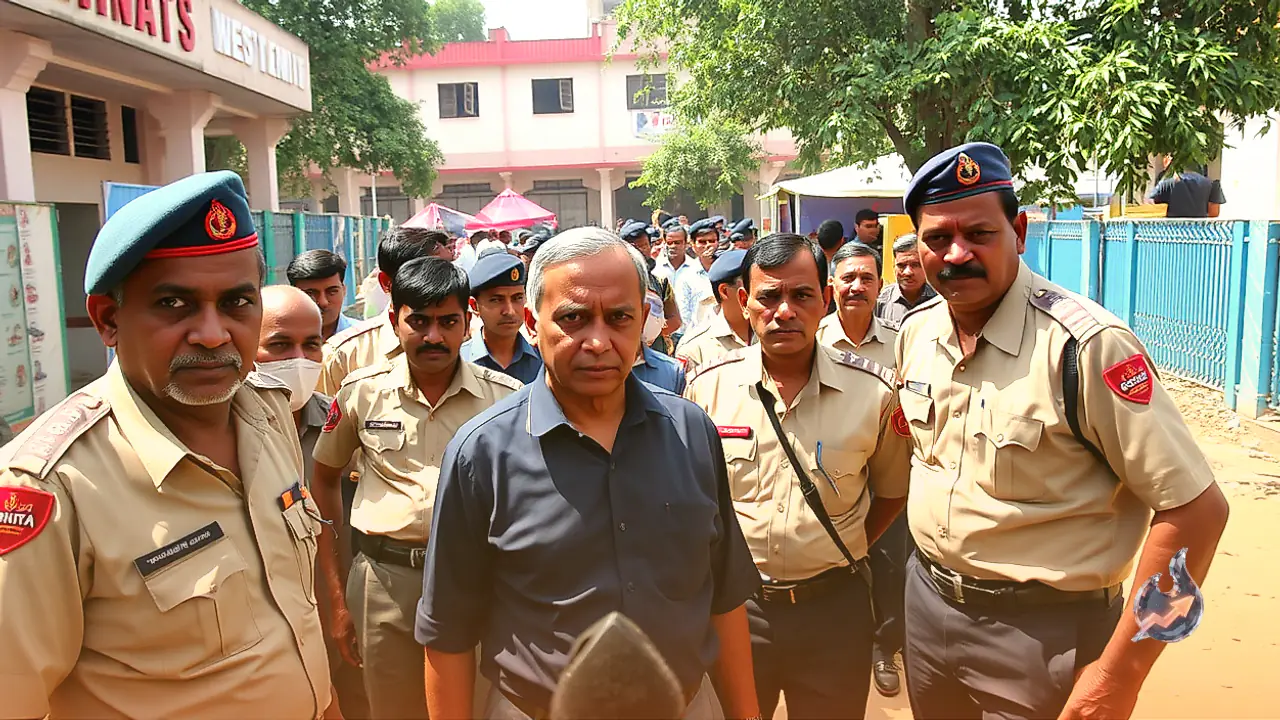

West Bengal is preparing to enforce the Uniform Civil Code within the next six months, adopting a legal framework inspired by the steps taken in Uttarakhand and Gujarat. Announcing the policy roadmap during a Vishva Hindu Parishad gathering in Kolkata, Chief Minister Suvendu Adhikari stated that West Bengal is positioned to become the third state to move decisively toward rolling out UCC. Alongside this comprehensive civil overhaul, the state administration plans to introduce stringent legislation aimed at tackling love jihad, land jihad, and forced religious conversions.
Protection of Cultural Institutions and National Security
Addressing the gathering, Suvendu Adhikari affirmed that the BJP-led government will function strictly according to constitutional principles, but made it clear that assaults on Indian cultural traditions, heritage, and temples will not be tolerated. He reiterated that anti-national activities will find no safe ground within West Bengal. He urged residents to preserve social harmony, stay united, and remain vigilant against elements seeking to foster division across communities.
VHP Endorsement and Women's Legal Protections
The Vishva Hindu Parishad came forward in support of the decision to introduce UCC in West Bengal. According to the organization, establishing uniform civil regulations will guarantee equal rights for all citizens regardless of their religious background. Representatives pointed out that Muslim women stand to gain the most significant legal advantages from this move, as it will eliminate discriminatory practices found in traditional personal laws.
Drafting Panel and Election Commitments
To formulate the West Bengal UCC draft, the state government has constituted a high-level committee headed by former Supreme Court judge Justice Ranjana Prakash Desai. According to the official notification, the forthcoming legislation seeks to standardize civil regulations across all religious communities, covering critical aspects such as marriage, divorce, succession rights, and child adoption. The introduction of UCC was among the primary manifesto commitments presented by the BJP during the 2026 assembly elections.
Key Benefits Anticipated from Civil Uniformity
The implementation of a common civil framework is projected to bring multiple reforms to society and the legal system
- It establishes uniform legal rights across religious and gender lines, ensuring that inheritance rules apply equally to women.
- Divorce regulations will become standardized across communities, bringing an end to biased personal customs.
- The foundational principle of one legal code across the land will be reinforced, narrowing statutory divides between different faiths.
- Eliminating the intricate complexities of divergent personal laws is expected to foster national integration and mutual harmony.
- Civil adjudication is set to become clearer and swifter, dispensing with long-standing ambiguity in court cases.
Status of Common Civil Laws Across Other States
Several other regions across India have already enacted or initiated common civil legislation
- Goa has had a functional common civil code in place since before independence.
- Uttarakhand enforced its Uniform Civil Code in January 2025.
- Gujarat has successfully passed its UCC legislation in the state legislative assembly.
- Assam has cleared its respective legislation on civil uniformity in its assembly.
- Madhya Pradesh has also passed its Uniform Civil Code bill in the legislative assembly.