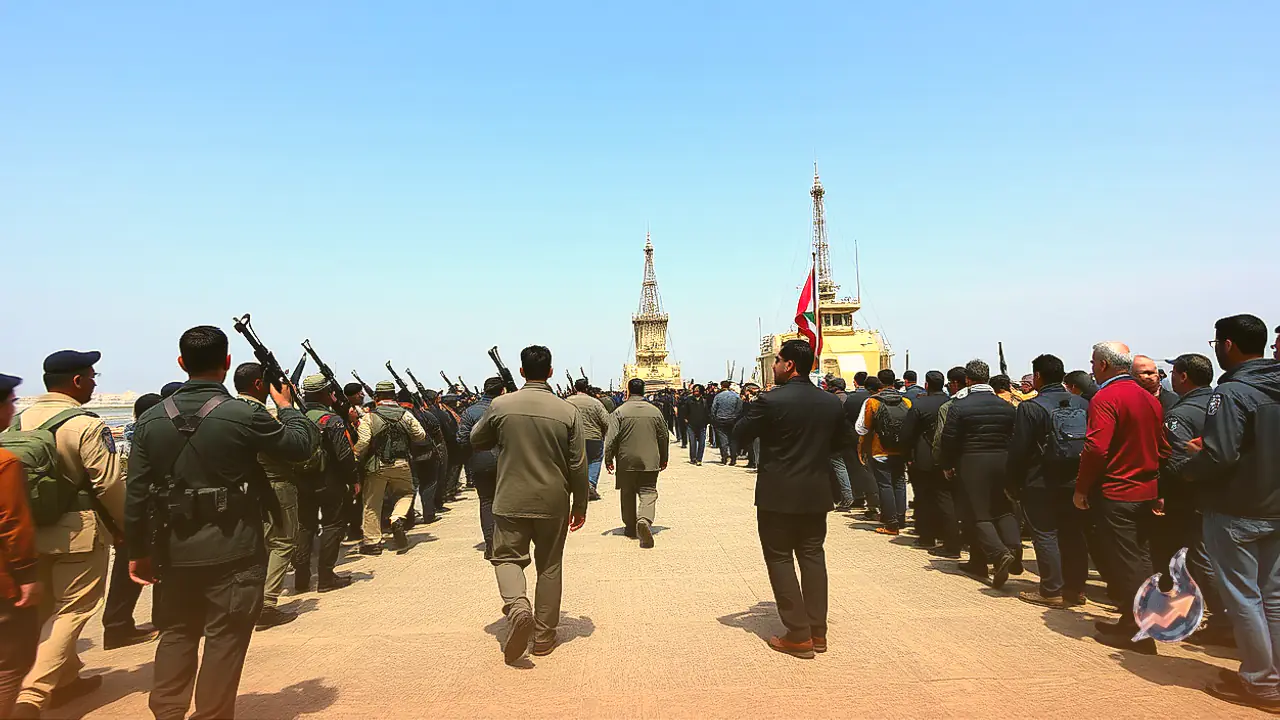























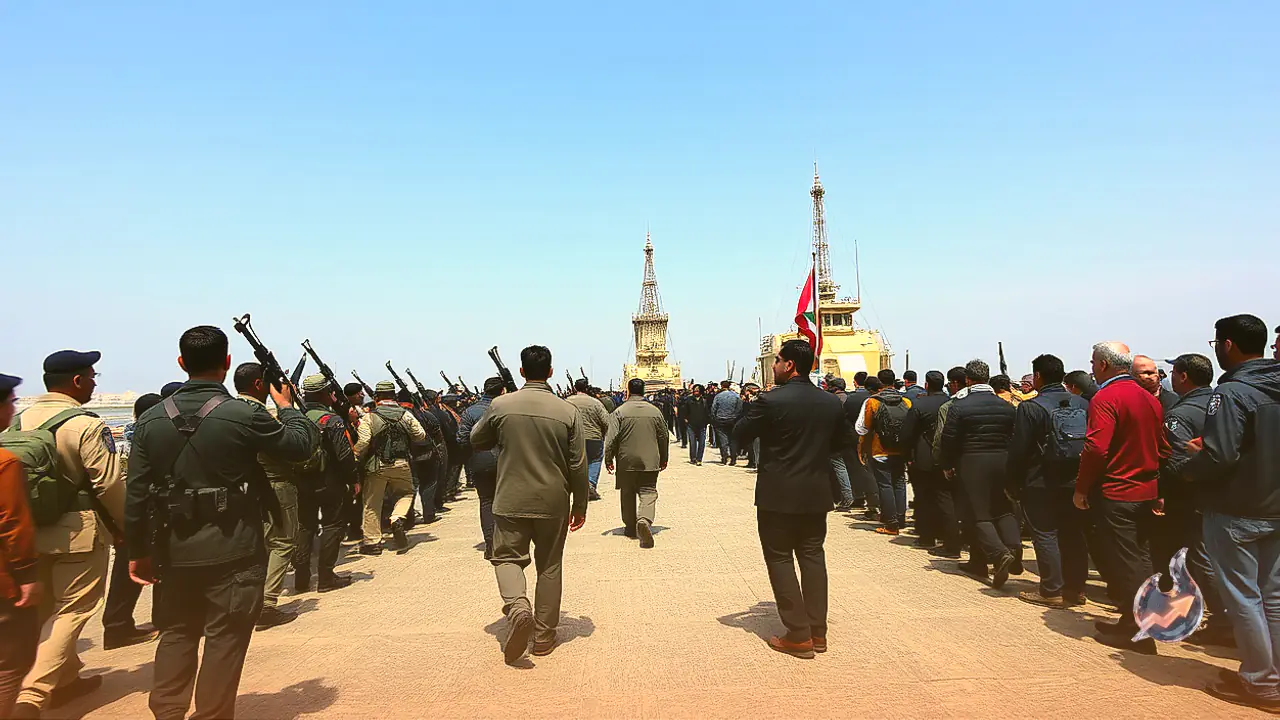

Military tensions between the United States and Iran have evolved into a protracted confrontation far beyond early expectations. When US and Israeli strikes were initially launched, US President Donald Trump stated that the operation would wrap up in just a few days. Months have now elapsed without any cessation of hostilities, and rather than yielding, Iran has maintained an aggressive posture that is forcing adjustments in Western deployment strategies.
Naval Realignment Away From the Persian Gulf
In a notable shift for regional military dynamics, US military forces are currently absent from the Persian Gulf, a maritime route widely recognized as the entry point to the Strait of Hormuz. To stay out of range of potential Iranian missile strikes, American units are operating roughly 1,000 kilometres away from the Iranian coastline, leaving vital waterways without their standard forward naval footprint.
Tehran Plans Extended Strike Capabilities
In response to Western repositioning, Tehran signaled that it intends to extend its missile ranges to 1,000 kilometres or beyond. That statement has triggered an immediate reassessment across regional command hubs, demonstrating that tactical recalibrations in the Persian Gulf have not diminished Iran's willingness to escalate standoff ranges.
Redeployment of Bombers in Britain and Reinforcements for Israel
The strategic repercussions of Tehran's announcement have reached bases across Europe and the Middle East. The United States has completely withdrawn all 12 of its B-1 bomber aircraft from RAF Fairford in Britain. Concurrently, additional American personnel have landed in Israel to reinforce defensive lines as the regional standoff intensifies.