






















A distressing scene unfolded along a New Zealand coastline, deeply shaking local residents and rescue workers alike. A large pod of pilot whales was discovered trapped in shallow waters near the shore. Although some of the whales were still alive when first spotted, frantic efforts to guide them back into the deep sea ultimately proved unsuccessful. By Friday, all 43 whales had perished, leaving rescue personnel to describe the ordeal as intensely difficult and heartbreaking.
Discovery and Initial Reports
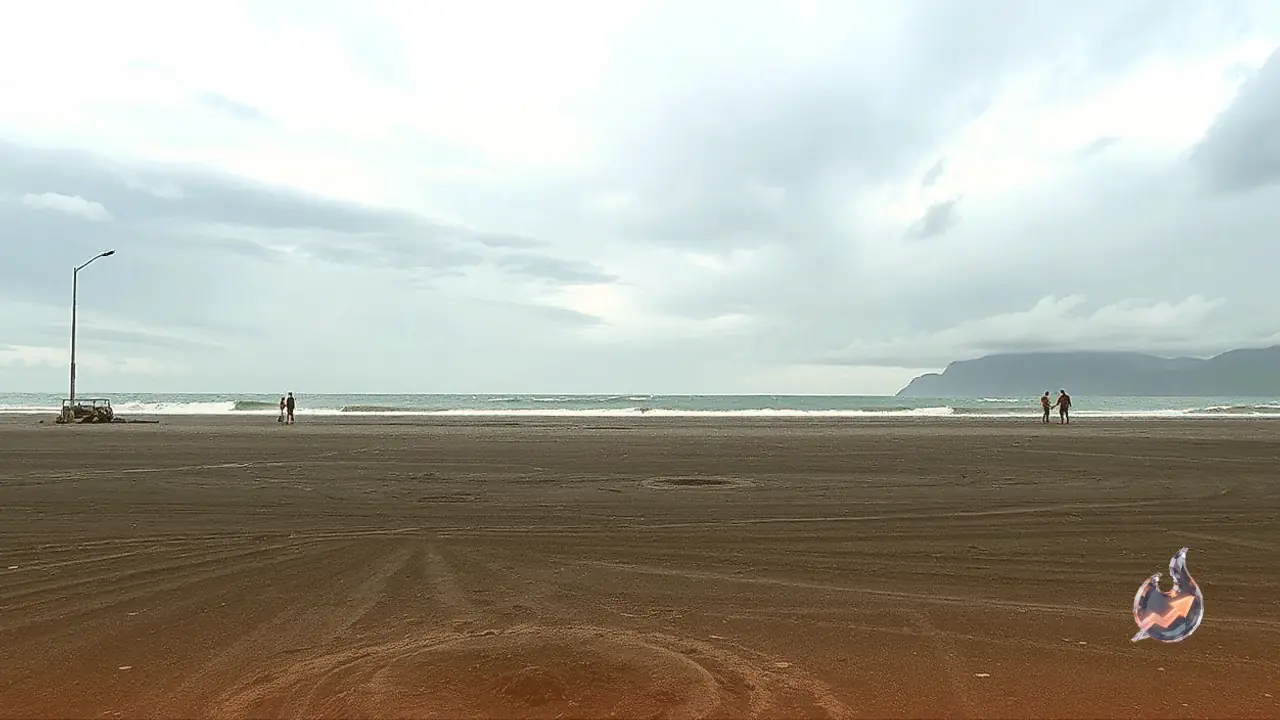
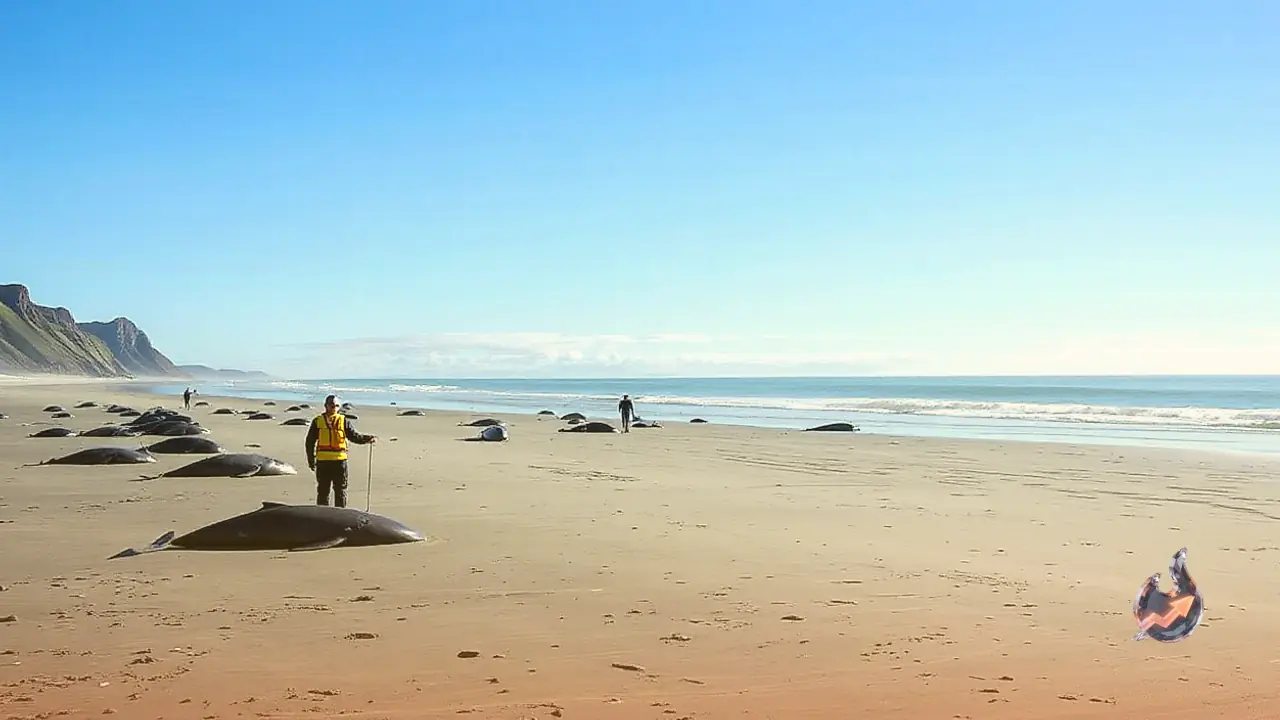
The tragic event occurred near Cape Palliser at the Ngawi coast on the southern tip of New Zealand's North Island. According to the Department of Conservation, word of the stranded whales reached authorities around 8 a.m. on Thursday. At the outset, at least 20 whales were located on the beach, of which four were found alive.
Rescue Operations and Community Response
Upon receiving the alert, teams from the environmental organization Project Jonah, alongside Department of Conservation officials and representatives from local Māori tribes, rushed to the site to launch a rescue operation. The surviving whales underwent health assessments, and preparations began to refloat them as the tide rose. Local residents also arrived in large numbers to assist, doing their best to keep the surviving whales cool and comfortable to prevent their condition from deteriorating further before specialist help could arrive.
Tragic Outcome by Friday
However, by Friday afternoon, the situation had grown grim. The Department of Conservation reported that a total of 43 whales had been found spread across the coast from Ngawi to Mangatoetoe, with none expected to survive. According to Project Jonah, several whales were already dead along the stretch of beach, while those found alive succumbed over the course of the day.
Logistical Challenges and Māori Significance
Participants in the rescue described the experience as emotionally taxing and physically grueling. The department is now working alongside local Māori communities to arrange proper burial for the deceased whales. For the Māori, these animals hold immense cultural and heritage significance. Project Jonah noted that the southern coast of the North Island faces the powerful and turbulent currents of the Cook Strait, while the shoreline itself features loose gravel and sharp rocks, making handling and refloating the massive marine mammals exceptionally difficult. Furthermore, the remote nature of the location posed severe logistical hurdles for rescue teams trying to reach the site and deploy necessary equipment.
Local Fishermen Express Shock
Local fisherman Andrew Sim described the incident as deeply distressing. He stated that having frequented the coast for over four decades and witnessed whale strandings before, he had never encountered anything on the scale of this pilot whale tragedy. Sim remarked that no clear explanation exists for why the animals ended up there, calling it an extraordinary and baffling event.
Understanding Mass Strandings
Why do whales leave the open ocean to strand themselves on shores? Pilot whales are among the marine species known for frequently mass-stranding. Yet, the exact trigger behind such large-scale events remains poorly understood. Scientists explain that pilot whales are highly social creatures that live in tight-knit groups and maintain deep bonds with one another. If a single whale loses its way or encounters trouble, others in the pod will often swim toward it, frequently leading the entire group into treacherous shallow waters.
Expert Insights and Historical Context
Ian L. Boyd, a biology professor at the University of St Andrews in Scotland and former chief scientific adviser to the UK environment department, offered perspective on the phenomenon. He noted that such incidents often occur in areas where the seabed slopes very gradually, potentially causing a pod to lose its bearings and become stranded as the tide recedes. Scientists view strandings as complex events driven by multiple compounding factors. In New Zealand, pilot whales tend to move closer to the shoreline during the summer months in search of food, elevating the risk of mass strandings during this period. Notably, the largest recorded mass stranding in New Zealand history occurred in 1918 at the Chatham Islands, where approximately 1,000 pilot whales became stranded.