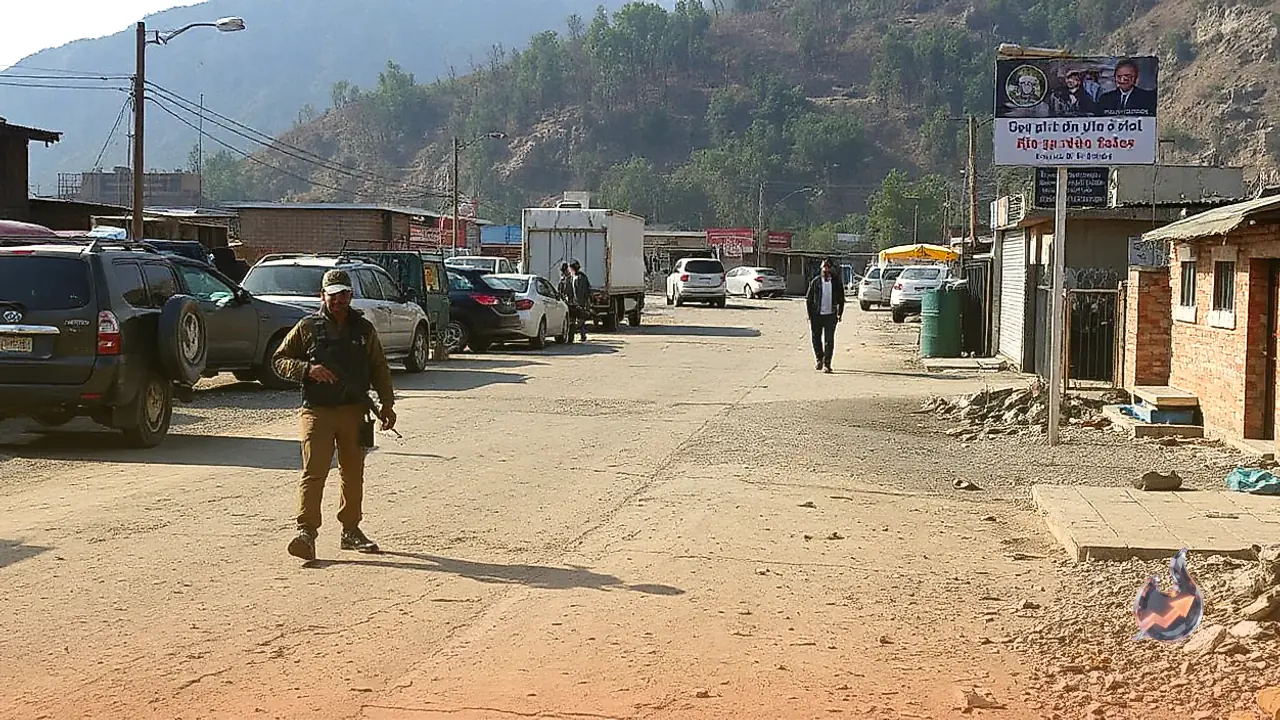
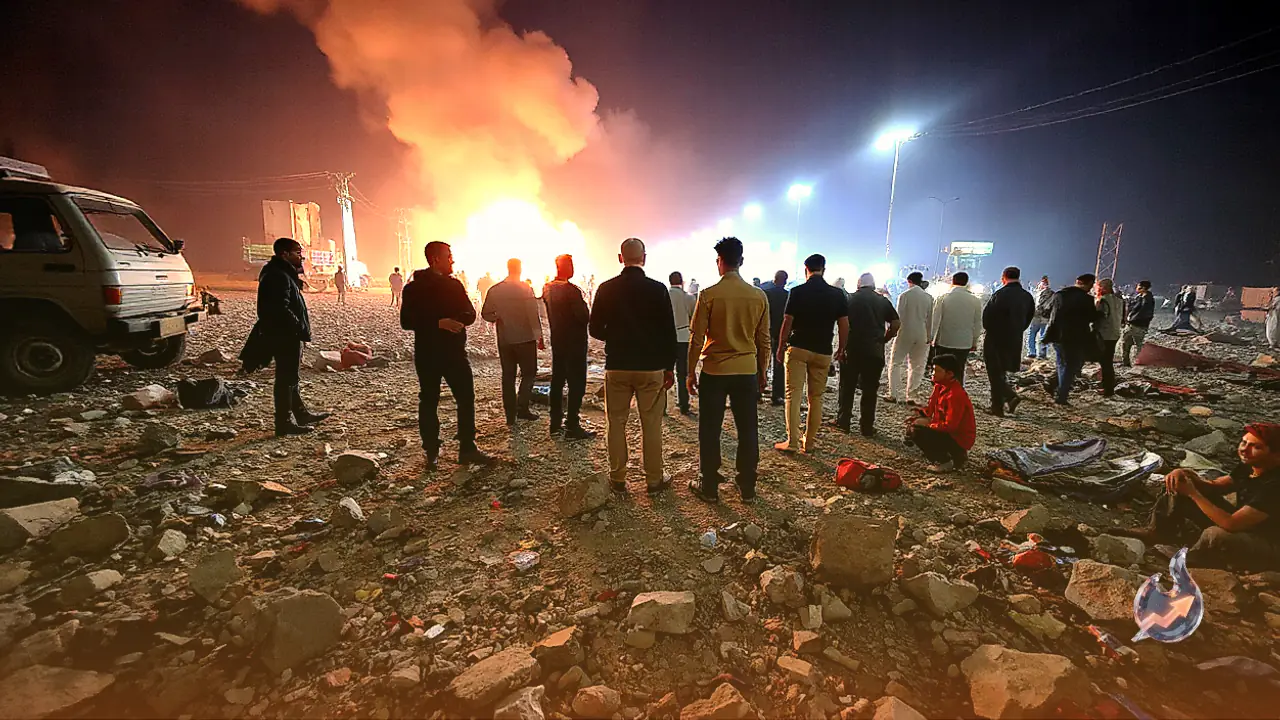


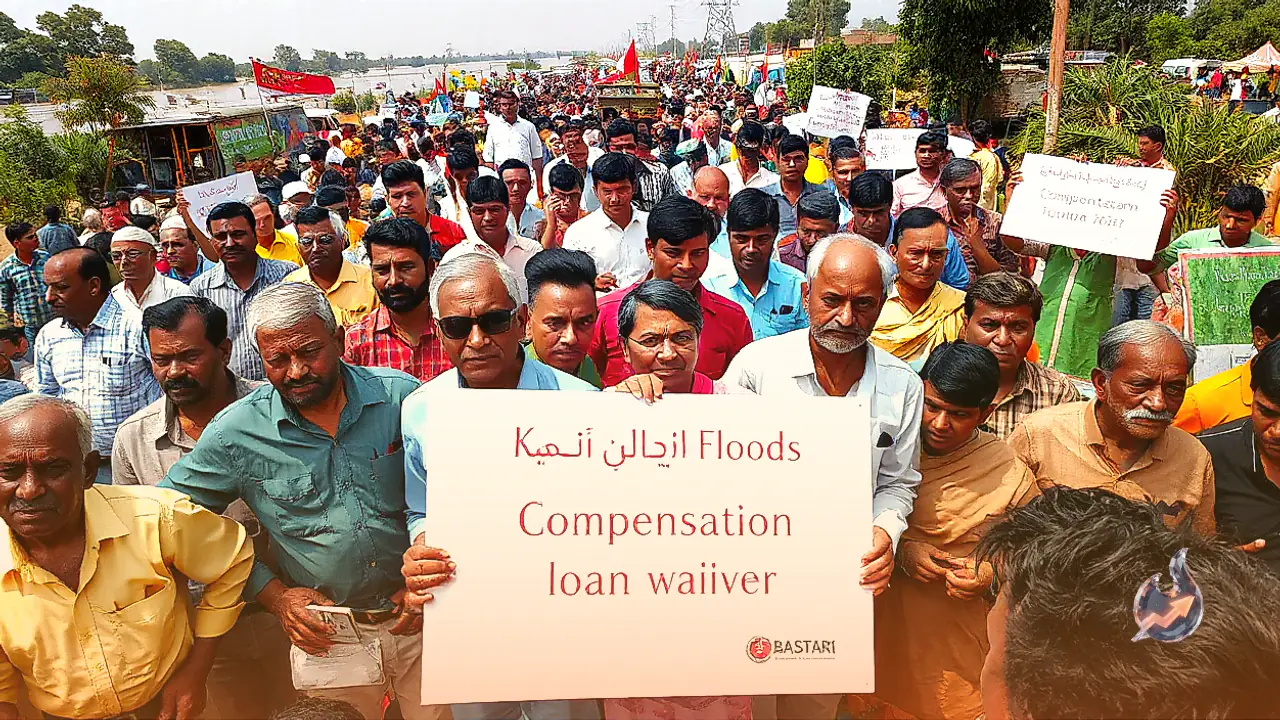
















Persistent discontent in the regions under Pakistan's control has snowballed into a widespread mass movement. Protests sparked by surging electricity rates, expensive wheat, and administrative shortcomings have laid bare the economic and political vulnerabilities that Islamabad has long attempted to conceal. This growing political dissatisfaction and escalating demand for accountability have put severe pressure on the ruling administrative apparatus in these territories.
Inflation and Scarcity Fuel Public Anger
Over the past few years, large-scale demonstrations have broken out in these areas under the leadership of civic organizations such as the Jammu Kashmir Joint Awami Action Committee. Local residents have taken to the streets to protest against soaring living costs, inflation, shortages of essential goods, and prolonged neglect by Pakistan. According to human rights investigators, the primary catalysts behind the 2024 demonstrations included demands for affordable electricity and flour, greater administrative accountability, and opposition to the special privileges enjoyed by bureaucrats and political leaders.
Grievances Go Beyond Local Administration
Public resentment is not merely restricted to the local administration; rather, it targets the entire political framework through which Pakistan governs these territories. Critics point out that Islamabad maintains a tight grip on crucial decisions involving political representation, resource management, and security, which severely curtails local autonomy. Furthermore, the economic dimension of the ongoing crisis presents a compounding challenge for the authorities. Demonstrators frequently question why residents must endure costly electricity and erratic utility services in regions that generate massive amounts of hydroelectric power.
Resource Revenue Disputes and Crackdowns
Alongside demands for cheaper power tariffs and wheat subsidies, securing a fair share of revenue generated from local natural resources has become a central issue in these protests. However, instead of addressing these grievances through dialogue, authorities have reportedly resorted to harsher measures. Multiple reports highlight internet blackouts, mass arrests, heavy deployments of security forces, and violent clashes during demonstrations.
Casualties and the Controversial Assembly Seats
Unrest has continued to grip these regions, resulting in multiple fatalities and numerous injuries, which highlights the widening chasm between public expectations and the partisan approach of the government. Another major point of contention involves the reservation of assembly seats for individuals designated as refugees from Jammu and Kashmir who reside in other parts of Pakistan. Locals argue that these reserved seats distort regional representation and allow Islamabad to manipulate political outcomes, turning the dispute into a broader debate over democratic legitimacy and self-governance.
Governance Deficits in Gilgits and Baltistan
Similar concerns echo in Gilgit-Baltistan, where residents have persistently raised issues concerning constitutional status, political representation, taxation systems, and the exploitation of local resources. Experts note that despite being strategically vital and rich in natural wealth, the population of Gilgit-Baltistan is demanding greater autonomy and meaningful participation in decision-making. These developments pose an uncomfortable dilemma for Pakistan, demonstrating its inability to effectively manage the territories under its administrative control.
Exposing Systemic Failures
According to various reports, while authorities frequently attempt to divert attention to external matters, the surging protests within these administered territories expose deep-seated weaknesses in local governance. Beyond focusing on external events, a growing segment of the population in these regions is openly questioning the existing political setup and demanding resolutions to pressing domestic hardships. In a related diplomatic stance, External Affairs Minister S. Jaishankar previously stated at the United Nations General Assembly that Pakistan should vacate these territories and asserted that cross-border terrorism plots will not succeed.