




















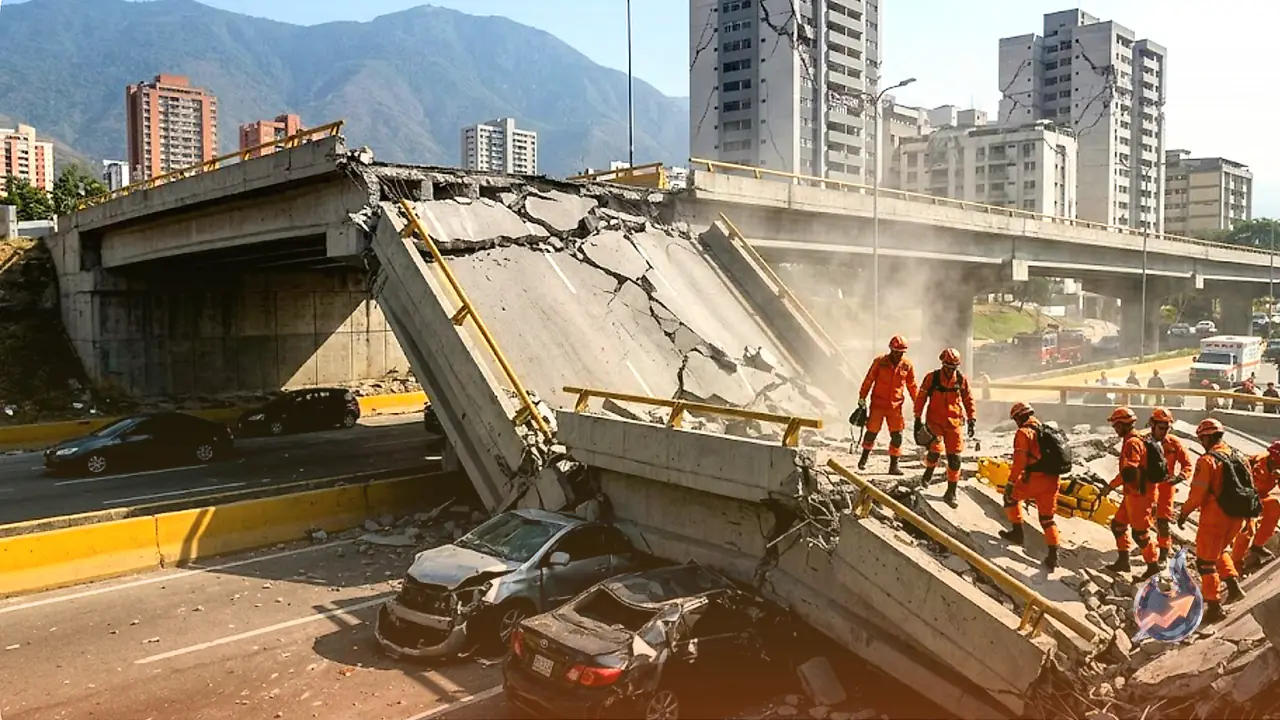

June 24 will forever remain etched in the memories of Venezuelans as a day when the earth shook with a ferocity that left no room for escape. Those caught in the midst of the chaos had no idea that they were experiencing a highly unusual and devastating geological event known as a seismic doublet. Within a span of a mere 39 seconds, the region was battered by two consecutive earthquakes measuring 7.2 and 7.5 on the Richter scale. The initial tremor, centered in Yaracuy, had barely subsided before an even more intense second shockwave ripped through the exact same area, catching residents completely off guard and leaving a trail of destruction in its wake.
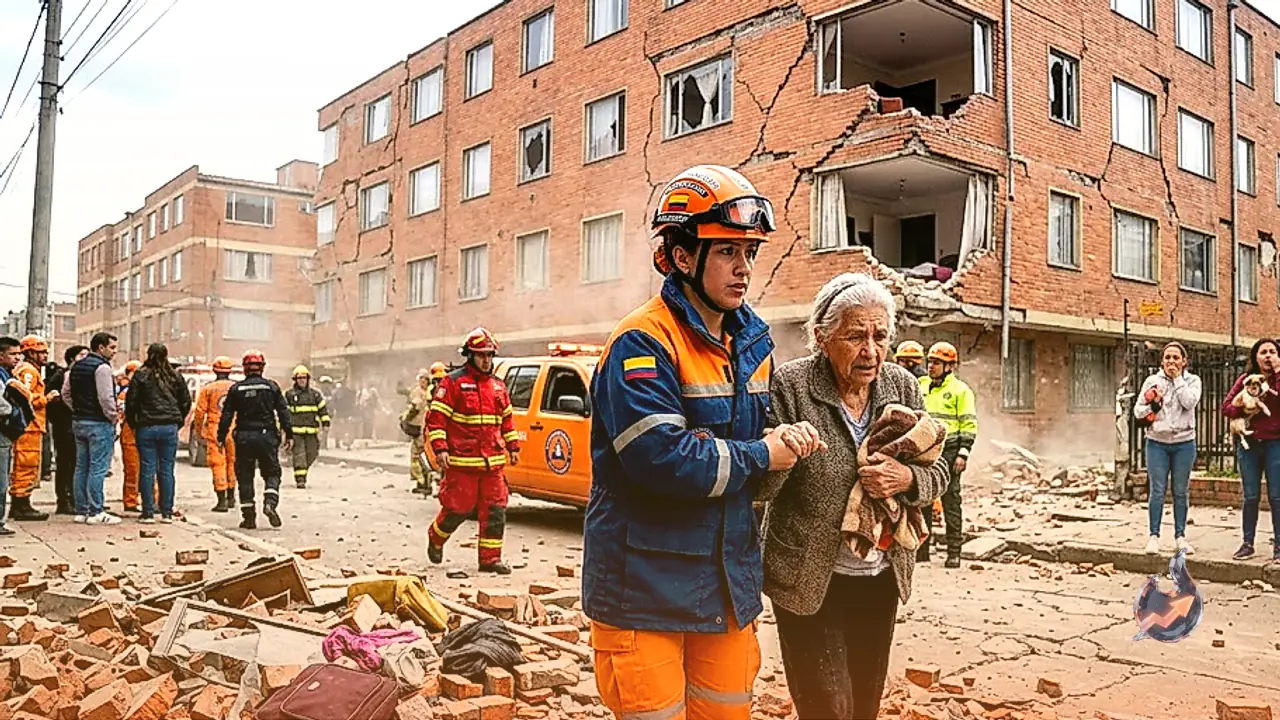
Geological data revealed that both earthquakes originated at a shallow depth of between 10 and 20 kilometers (6 and 12 miles). Because the ruptures occurred so close to the earth's surface, the seismic energy traveled upward with minimal dampening, causing violent ground motions. The resulting shockwaves were so powerful that they radiated far beyond Venezuela's national borders, shaking buildings in neighboring Colombia, northern Brazil, and several Caribbean islands including Aruba, Bonaire, and Curaçao. While a single earthquake of this magnitude would have resulted in considerable structural damage, it was the rapid, consecutive nature of this double strike that compromised modern buildings, leading to catastrophic collapses and making search and rescue efforts increasingly difficult as the casualty numbers continue to rise.
Eyewitness Accounts of the Terror in Yaracuy
Recalling the terrifying moments, Cañas describes how her dining table began to vibrate unpredictably. Initially assuming it was a minor, passing tremor, she watched in horror as the shaking quickly escalated into a violent, uncontrolled rocking motion. Cracks began to spiderweb across the concrete walls of her apartment, and chunks of the ceiling started raining down around her. Terrified that the entire multi-story concrete structure was about to collapse on top of them, she and her family rushed out of the building in a desperate bid for safety.
They managed to reach a sports field located directly across the street, where panicked neighbors were already beginning to congregate in search of open space. It was there, amidst the confusion, that the second, even more powerful tremor struck. Cañas describes how everyone in the field clung to one another in absolute terror, completely unprepared for such an event. She points out that unlike countries like Mexico and Chile, which have built a deeply ingrained culture of earthquake preparedness where citizens know exactly how to react the moment an alarm sounds, Venezuela lacks this systematic training, leaving people highly vulnerable to panic during such sudden disasters.
The Tectonic Mechanics Behind Parallel Fault Movements
The stark difference in preparedness highlighted by Cañas underscores the unique challenges Venezuela faces. While the country sits directly on the boundary separating the Caribbean Plate and the South American Plate, earthquakes of such massive magnitudes are historically infrequent in the region. Alan Damián Sánchez Pulido, a civil engineer from Mexico’s Ibero-American University who specializes in structural damage assessment, explains that the specific layout and movement of these plates are the reasons why earthquakes are not an everyday occurrence here, and why they release such devastating amounts of energy when they finally do happen.
According to Sánchez Pulido, the boundary between the Caribbean and South American plates is characterized primarily by lateral or parallel movement. Rather than one plate sliding directly beneath another, they grind past each other horizontally. This specific type of strike-slip interaction is what created the perfect conditions for two high-magnitude earthquakes to occur in such rapid succession. This is a contrast to the subduction zone in Mexico, where the Cocos Plate slides beneath the North American Plate. While a doublet is an exceedingly rare phenomenon, its probability is never zero and can occur at any major tectonic plate boundary around the globe.
How a 39-Second Interval Defeated Structural Engineering
From an engineering perspective, the most critical aspect of the disaster was the exceptionally brief 39-second window between the two major shocks. Sánchez Pulido notes that this short time frame was the primary catalyst for the widespread structural failures. He explains that the first earthquake of magnitude 7.2 naturally caused internal and external stress damage to local buildings. Even if a building did not collapse immediately, its structural integrity was fundamentally altered, and its load-bearing capacity was severely compromised.
Under normal circumstances, engineers would have weeks or months to inspect, shore up, and repair damaged concrete columns and steel reinforcements. However, with the second 7.5 magnitude earthquake striking just 39 seconds later, there was absolutely no opportunity to assess or secure these weakened structures. Deprived of their original design strength, the compromised buildings simply could not withstand the second wave of violent lateral forces, leading to immediate and catastrophic structural failure.
This engineering reality manifested in terrifying scenes across the region. In Altamira, Eduardo Burger witnessed the horrifying collapse of the San Miguel building. He recalls watching the walls of the first and second floors break away entirely, sending heavy debris crashing down onto the very spot where he had been standing moments earlier. As he fled toward the center of the street to avoid falling concrete, he looked back to see another multi-story building swaying violently back and forth like a pendulum, a clear sign of structural elasticity pushed to its absolute limits.
Resonance, Soil Dynamics, and Regulatory Gaps
Intriguingly, the damage was not uniform across the affected areas, with some buildings collapsing while neighboring structures on the very same street remained standing. Sánchez Pulido explains this disparity through the physics of resonance. Every physical structure has a natural vibration period, which is the specific frequency at which it naturally sways. When the seismic waves generated by an earthquake match this natural frequency, resonance occurs, dramatically amplifying the building's movement. He compares this to a delicate wine glass shattering when exposed to a human voice singing at the exact right pitch.
If a building's natural frequency happens to align with the frequency of the earthquake's energy, it will undergo extreme displacement, regardless of how well it was constructed or how strong its materials are. Conversely, a neighboring building with a different height or shape might have a different natural frequency, allowing it to escape the resonance effect and survive with minimal shaking. Another critical factor is the composition of the soil beneath the foundations. Different soil types, such as solid rock, soft sand, or clay, alter the velocity and amplitude of seismic waves as they travel upward, directly affecting how buildings on top of them respond.
Sánchez Pulido points out that Venezuelan building codes do not feature the same level of geological and soil specificity found in other highly seismic nations. For instance, in Mexico City, sophisticated mapping tools developed by the UNAM Institute of Engineering allow builders to analyze soil behavior in minute detail and customize structural designs accordingly. The lack of such detailed regulations in Venezuela left many structures highly vulnerable to the unique ground-motion characteristics of this double earthquake.
Displacement, Supply Shortages, and Grassroots Relief
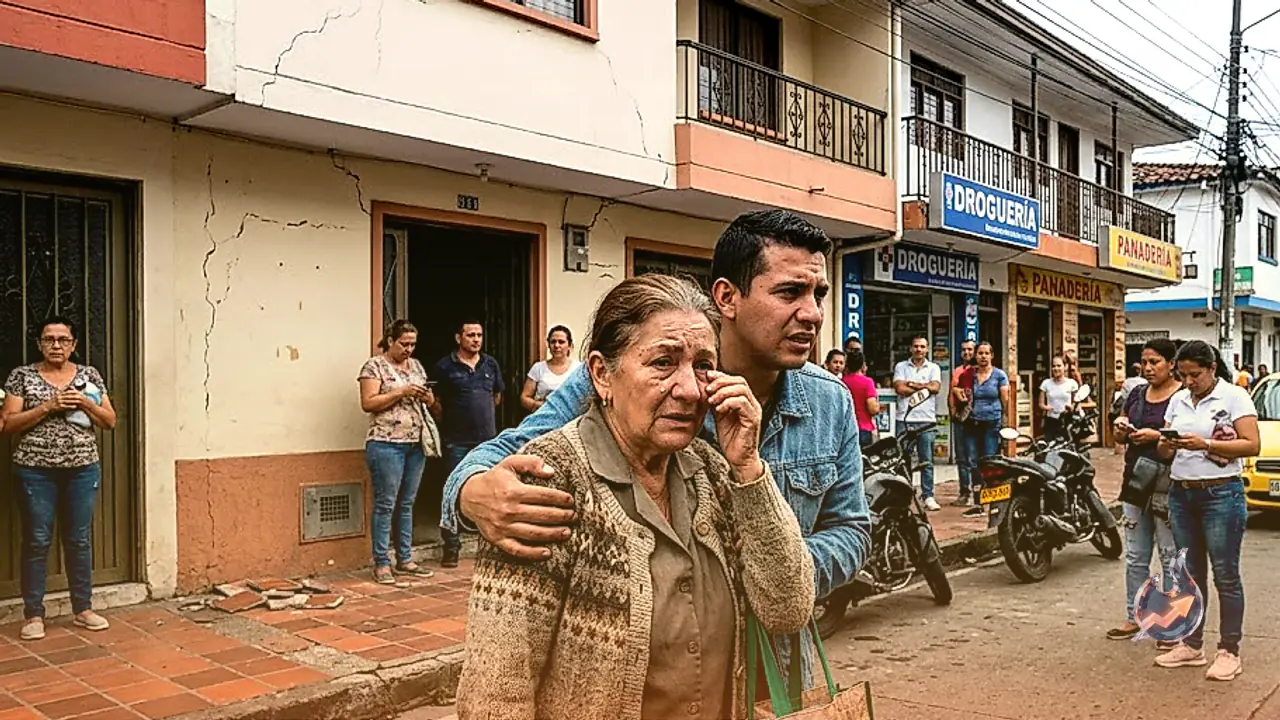
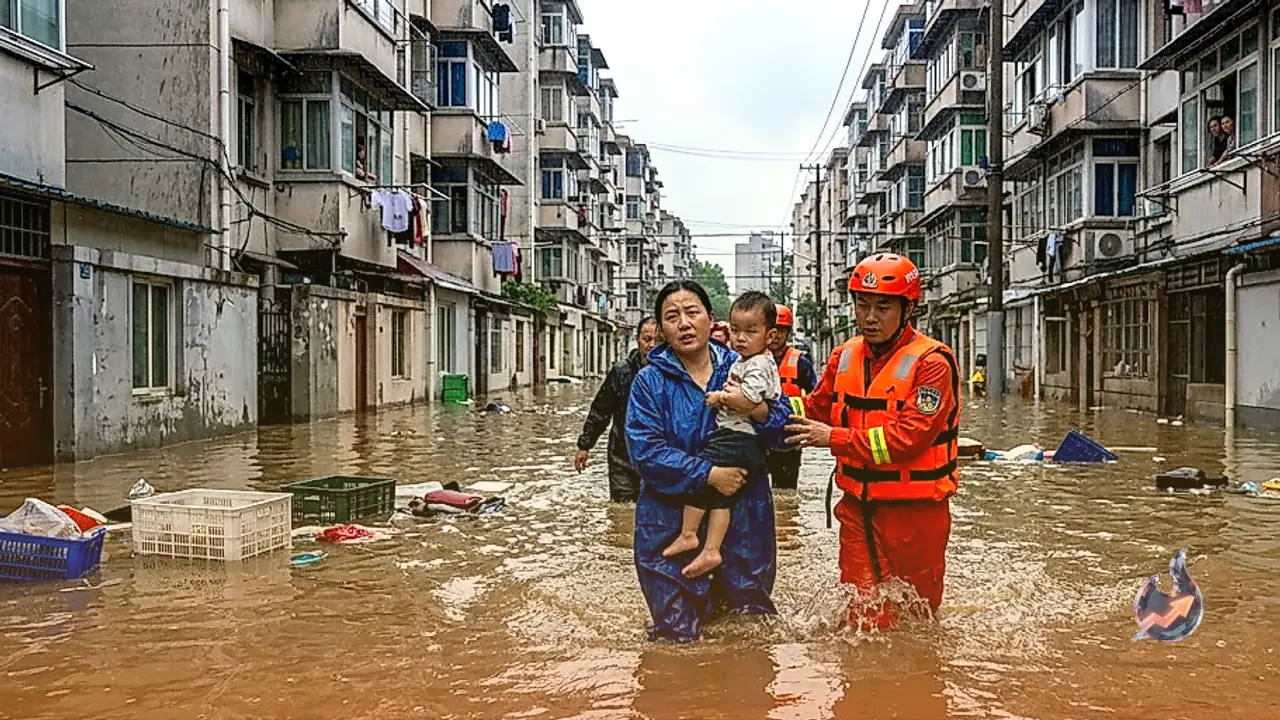
As scientists and structural engineers analyze the data, thousands of local families are facing a bleak and uncertain future, unsure if they will ever be permitted to return to their homes. In Caracas, Cañas and her family remain displaced. Although they survived the ordeal unharmed, their apartment and the building's main supporting columns suffered severe damage, and they are currently waiting in limbo for emergency officials to conduct a formal structural safety assessment.
The situation is equally dire for 55-year-old Carolina Armas, who fled her home with her family and has taken temporary shelter at a relative's house. She notes that her building has developed deep, worrying cracks throughout its structure. Despite calling Civil Protection immediately after the earthquake to request an urgent inspection, more than 12 hours have passed without any response or visit from officials, highlighting the strain on local emergency services.
While Burger commends the bravery of local rescue workers and neighbors who rushed to help, he points out that the disaster response during the initial hours was severely hampered by a lack of coordination and basic search equipment. Some volunteer rescue teams lacked even the most fundamental tools required to cut through concrete and clear collapsed structures, forcing them to claw through rubble with their bare hands. Humanitarian organizations have also raised alarms over critical shortages, with Project Hope reporting an urgent need for medical supplies, including bandages, suture materials, medications, and specialized heavy-duty tools to free victims trapped beneath the concrete debris.
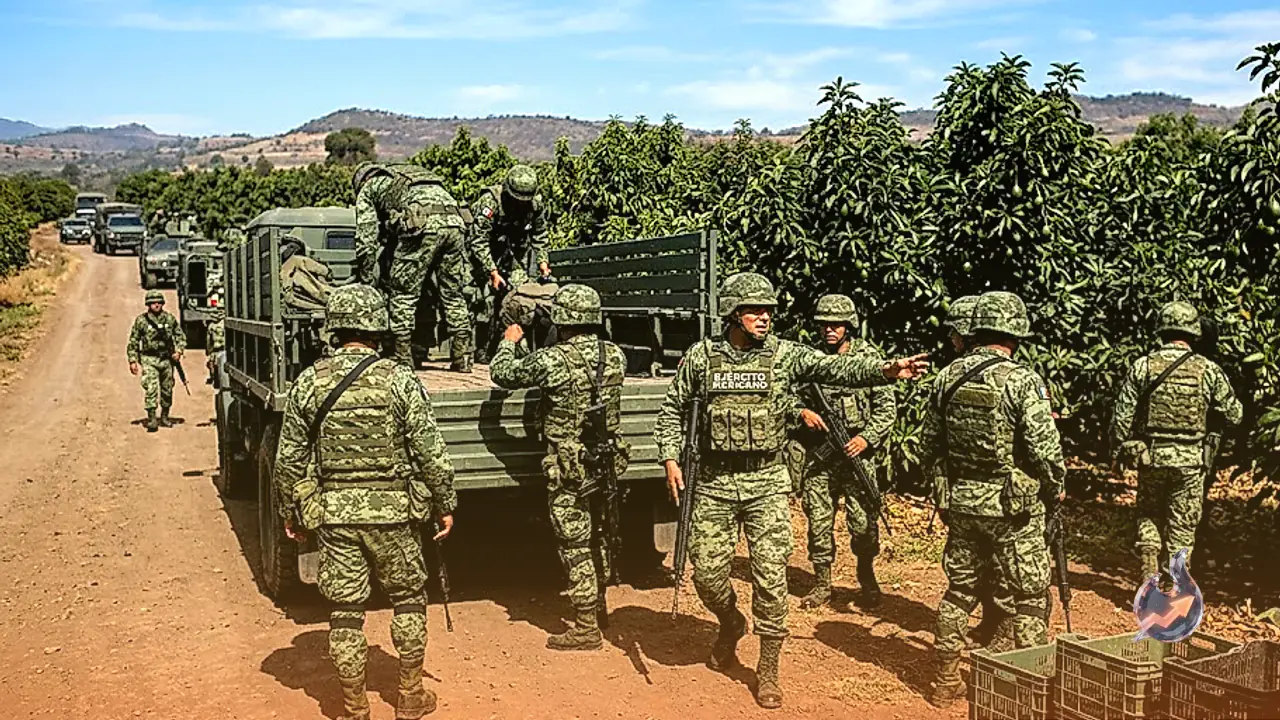
In response to these official shortcomings, Venezuelan citizens have taken matters into their own hands. Local communities have organized grassroots aid distribution networks and established digital platforms to coordinate search efforts and help families locate missing loved ones. International support has also begun to arrive. The United States announced a $150 million emergency aid package, with $50 million channeled through non-profit organizations like World Vision and Samaritan’s Purse, and the remaining $100 million directed to a United Nations humanitarian fund for Venezuela. Mexico dispatched a specialized team of 250 personnel from its Ministry of National Defense, five search-and-rescue dogs, four transport aircraft, and a specialized search drone. Spain also deployed expert search-and-rescue teams from its Military Emergency Unit to bolster local operations.
For Sánchez Pulido, the ultimate takeaway from this disaster is the vital importance of cultivating a continuous culture of safety and prevention. He warns that society often tends to focus on earthquake safety only in the immediate aftermath of a tragedy. When decades pass without a major seismic event, public drills are neglected, civil defense guidelines are ignored, and people forget that a disaster can strike at any moment. Because earthquakes cannot be predicted ahead of time, he stresses that survival ultimately depends on knowing exactly how to react the moment the ground begins to shake.