






















Tensions have flared significantly between the United States and Mexico surrounding the multi-billion dollar avocado trade. Citing mounting security threats, the United States has temporarily suspended its official operations in Mexico's Michoacán state. This suspension directly includes the crucial inspection of avocados bound for the US market, which has consequently brought imports from the region to a temporary halt.
Troop Deployment and Government Response
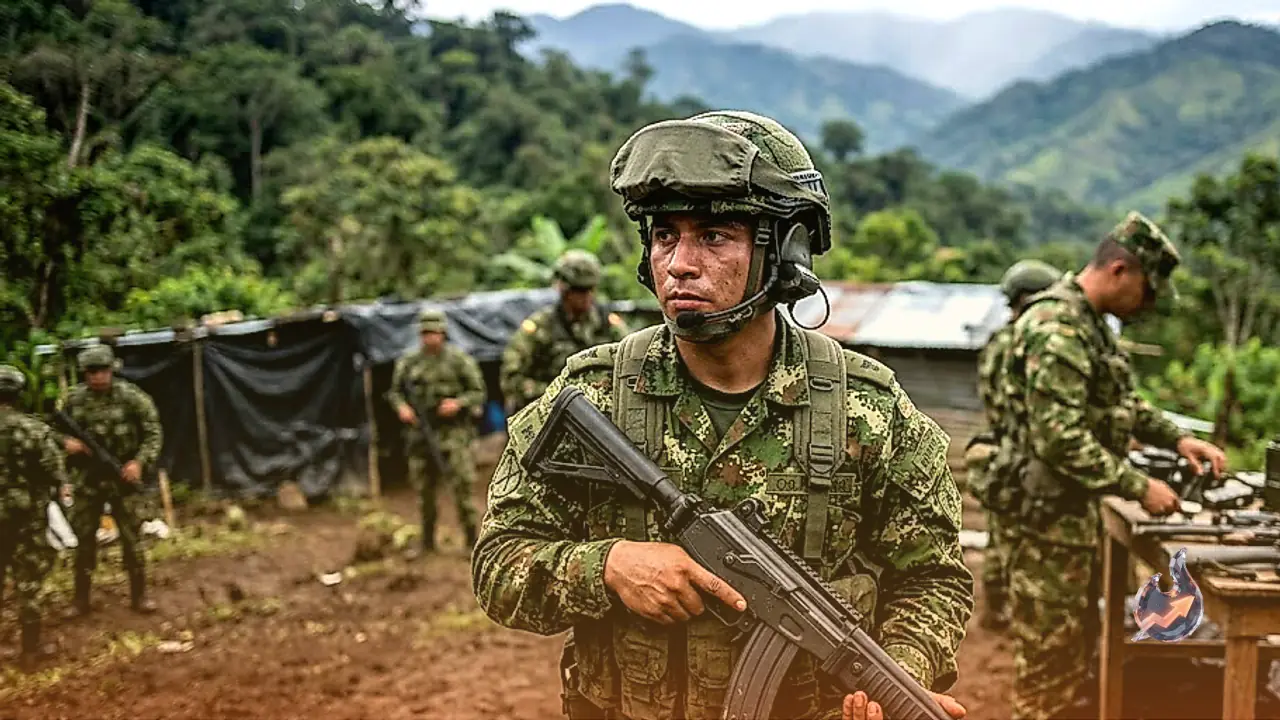
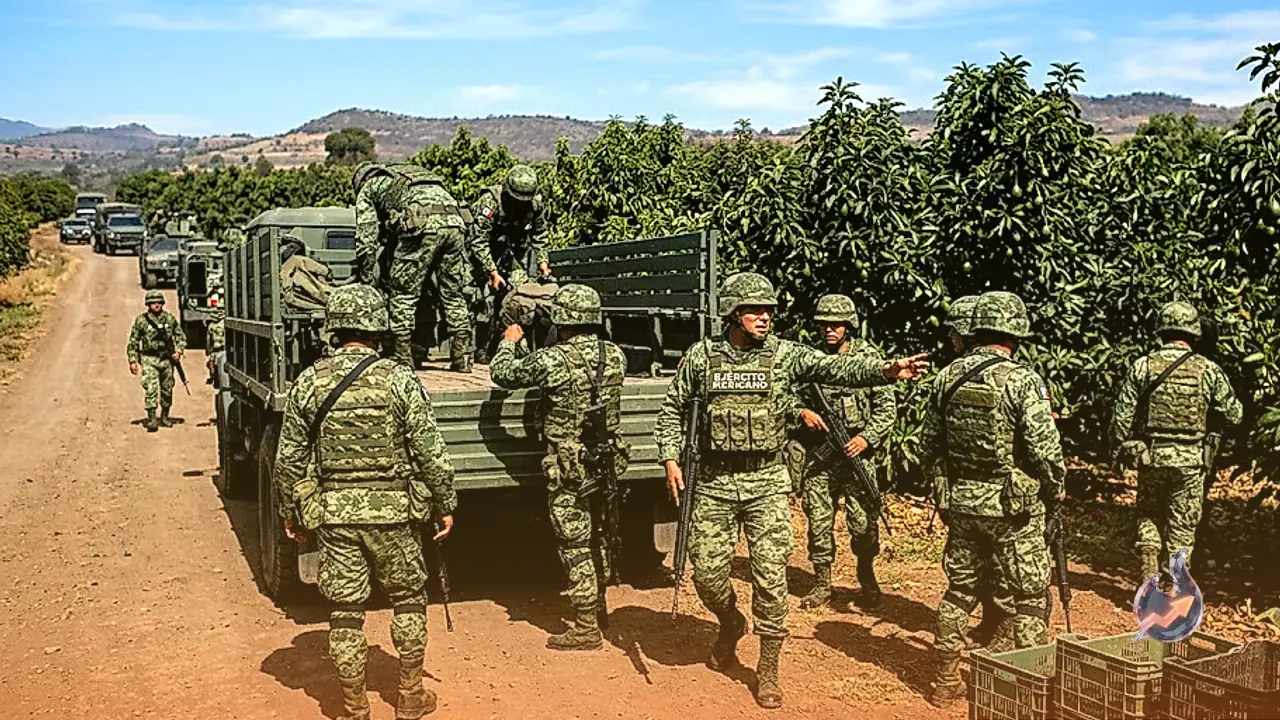
In direct response to the American action, Mexican President Claudia Sheinbaum decided to deploy 1,500 additional security personnel to the primary avocado-producing zones. The primary objective of this military deployment is to bolster local security and swiftly resume avocado exports to the US. The government is taking aggressive steps to ensure trade channels reopen without prolonged disruption.
The Shadow of Drug Cartels
Michoacán stands as Mexico's largest avocado-producing region, but it is also heavily plagued by active drug cartels. These criminal syndicates engage not only in narcotics trafficking but also routinely extort local business owners and agricultural producers. The lucrative avocado trade is deeply impacted by these illicit activities, with cartels demanding payments from farmers based on the weight or volume of their production. Ultimately, this constant extortion pressure threatens to drive up retail prices for consumers.
A History of Trade Disruptions
This is not the first instance where security apprehensions have forced the US to block Mexican avocado imports. Back in 2024, two USDA employees faced a violent assault and were briefly taken hostage in Michoacán, an incident that severely crippled both fruit inspection and export pipelines. While no specific new attack has been reported in the current instance, officials note that recent arrests of extortion suspects triggered heightened security alarms, prompting authorities to take precautionary measures.
Massive Export Volume and US Reliance
The United States remains the single largest market for Mexican avocados. More than 80 percent of all avocados consumed within the United States originate from Mexico. During the year 2025 alone, Mexico exported approximately 3.7 billion dollars worth of avocados to its northern neighbor. Before these fruits cross the border, officials from the United States Department of Agriculture, commonly known as the USDA, conduct rigorous inspections to ensure that no foreign pests or plant diseases enter the country. Any interruption to these checks immediately halts imports and risks driving up prices across American grocery stores.
Extortion Pressures on Local Farmers
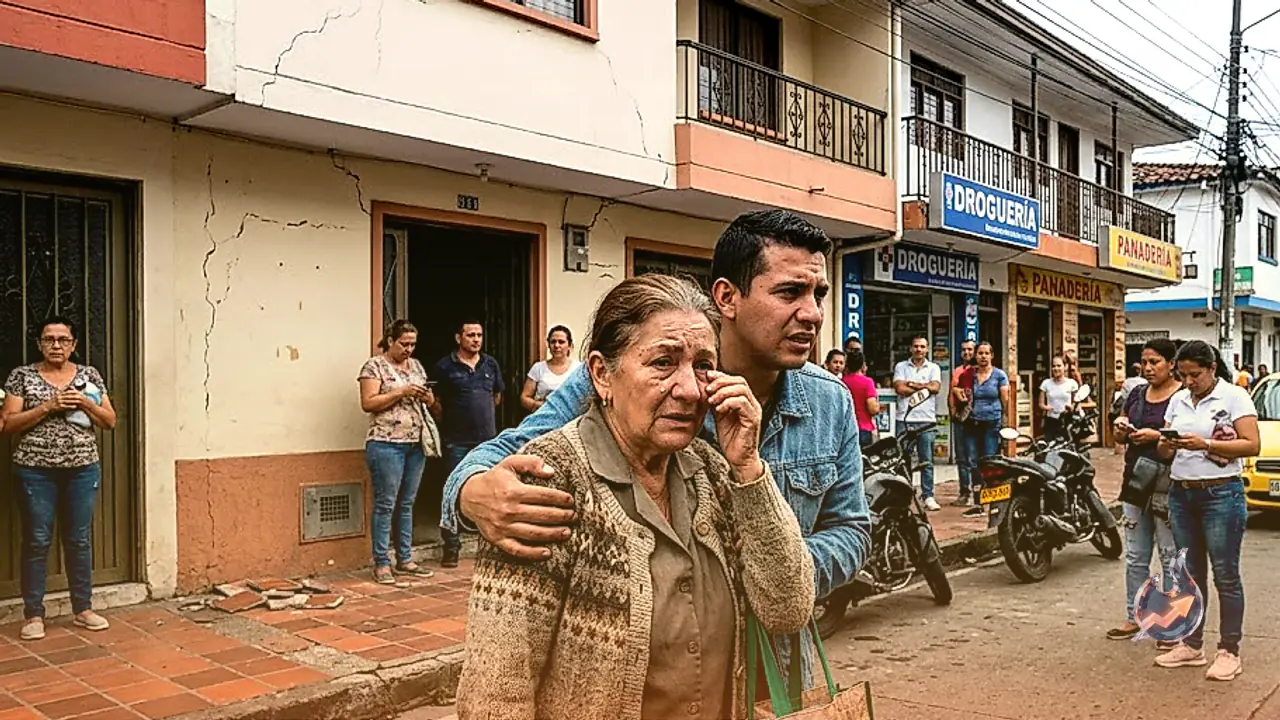
An avocado grower from Michoacán revealed that he is forced to pay extortion fees on every single kilogram of fruit he ships to the United States. Operating at a volume of roughly 90 metric dollars of daily exports, this single farmer loses over 5,000 dollars daily to criminal syndicates. The grower requested anonymity due to severe safety fears. Halting exports harms more than just international trade, as the Michoacán avocado industry provides direct employment to approximately 200,000 people. Because of this vast economic footprint, import bans rarely persist for extended periods.
Path Forward and Ongoing Risks
The Mexican government has pledged to substantially increase security in the region, with President Sheinbaum hinting that Mexican domestic officials could potentially take over the inspection duties if necessary. However, local farmers remain skeptical, noting that the resumption of exports does not automatically spell the end of cartel extortion and violence in the countryside.