






















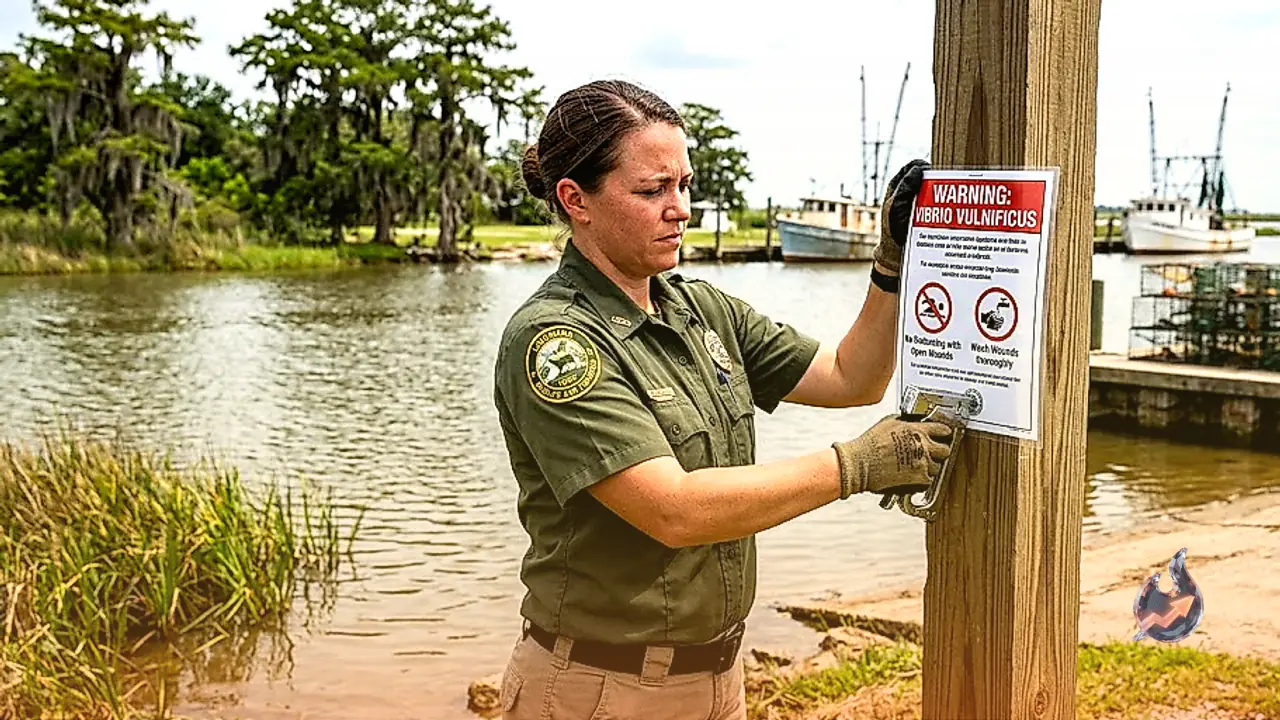

Beachgoers in the United States are facing a severe health warning as an invisible threat along coastal waters continues to put lives in danger. Health departments have stepped up vigilance, issuing specific advisories for people heading to shores in the state of Louisiana. At the center of this growing concern is a dangerous microorganism commonly referred to as a flesh-eating bacteria, capable of inflicting severe harm and pushing infected individuals toward critical conditions if proper precautions are not taken.
Recent data indicates an uptick in infection cases linked to this pathogen. During the current year alone, nine individuals have contracted the illness, requiring urgent hospitalizations, while five of these patients unfortunately lost their lives. Scientifically known as Vibrio Vulnificus, this bacterium thrives naturally in warm marine environments and brackish waters. While not every exposure leads to severe complications, the organism possesses the capacity to severely damage human tissue and lead to critical medical emergencies.
Vibrio Vulnificus is naturally present in aquatic environments, flourishing particularly when water temperatures rise. Human contraction generally occurs through two primary pathways. The first involves exposing an open cut, scrape, or skin wound to contaminated seawater, allowing the bacteria to enter the body directly. The second pathway is through the consumption of raw or undercooked seafood, with oysters posing a particularly notable risk for ingestion-based exposure.
While mild infections can occur, Vibrio Vulnificus is capable of triggering intense wound infections or severe bloodstream complications. In aggressive cases, the illness progresses rapidly and can become life-threatening within a short timeframe. Recognizing the early warning signs is vital for timely medical intervention and treatment.
Individuals who have spent time near marine waters should remain vigilant for specific symptoms developing around any skin injuries. Redness, swelling, warmth, intense pain, or discoloration near a wound area serve as warning signs. Additional indicators include sudden fever, chills, blistering skin lesions, or tissue darkening in severe cases. Prompt medical attention is strongly advised if these symptoms manifest following water exposure.
Addressing the question of potential risks in India requires looking at the country's extensive coastline and large populations residing near marine hubs. Fishermen, seafood handlers, and individuals frequenting coastal regions could theoretically encounter the organism due to the vast expanse of shorelines. However, health experts emphasize that American outbreaks do not indicate an identical crisis unfolding on Indian beaches, and unnecessary panic should be avoided.
Public health guidelines suggest that complete avoidance of beaches is unnecessary, but sensible precautions remain essential. Individuals with open cuts or skin injuries should refrain from entering seawater or brackish environments. Any accidental exposure of a wound to marine water should be thoroughly washed with soap and clean water immediately. Furthermore, consuming seafood, especially shellfish, requires thorough cooking to eliminate potential bacterial risks. Since the organism exhibits higher activity levels in warmer waters, exercising heightened caution during peak temperature months helps maintain safety across coastal regions.