





















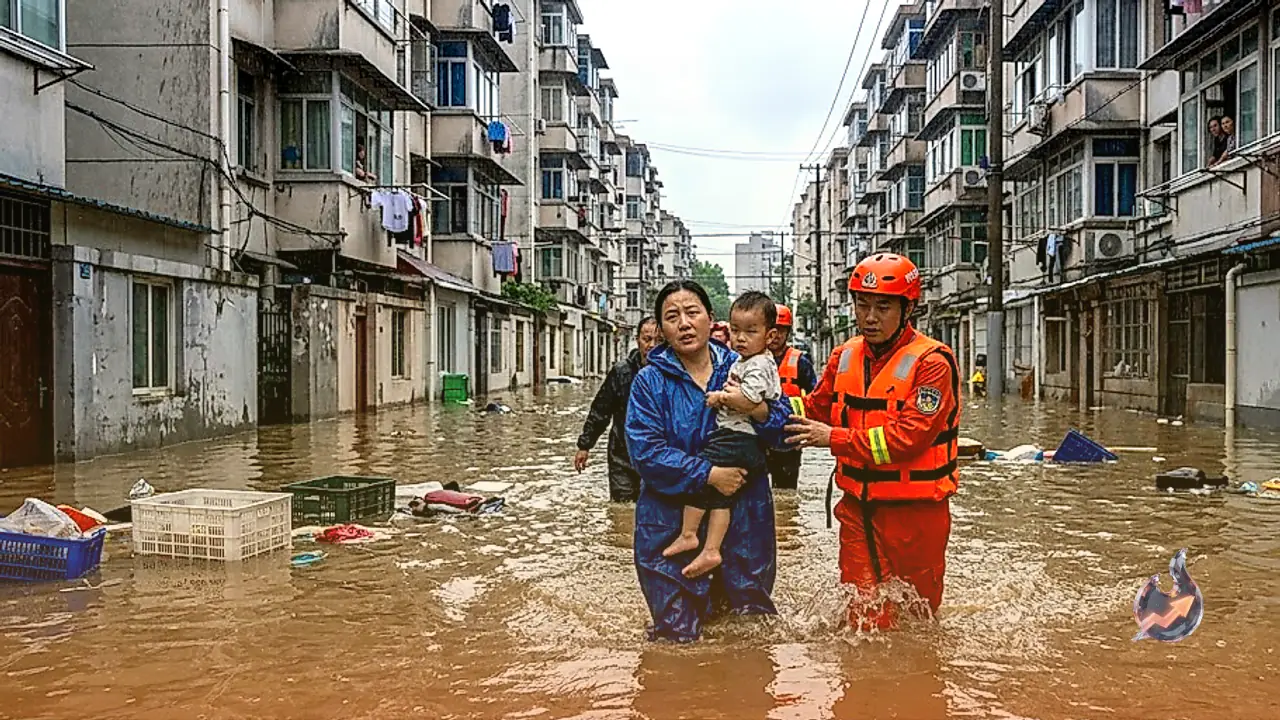

China stands among the most technologically advanced nations globally, yet it remains entirely helpless against the fury of nature. The eastern regions of the country have been battered by Typhoon Dolphin, a stark reminder of the destructive power nature can unleash when it gathers force. The hardest hit by this catastrophic storm was the major city of Shanghai, where a single day of relentless rain shattered a rainfall record standing for the past 150 years. Streets across the city resemble flowing rivers, raising severe flood warnings and forcing authorities to move thousands of residents to safety.
Landfall and Transition of the Storm
Typhoon Dolphin made landfall near Yuhuan in Zhejiang province on August 9, bringing wind speeds that reached up to 42 meters per second, or roughly 151 kilometers per hour. Although the storm has since weakened into a tropical depression, the relentless downpour shows no sign of stopping. Weather authorities warn that heavy rain, severe flooding, and landslides are expected to persist through Wednesday across multiple provinces, including Zhejiang, Jiangsu, and Shanghai. Meteorological agencies have urged residents to stay indoors during the severe weather and strictly follow instructions issued by local officials. Such immense rainfall in a massive metropolis like Shanghai is far from ordinary, serving as a glaring reminder of climate change and the escalating threat of urban flooding.
Record-Breaking Rainfall Paralyzes Shanghai
The sudden and torrential rainfall in Shanghai has stunned residents, creating conditions where water flows outside homes reminiscent of the city of Venice. A local meteorological station recorded the highest precipitation in a 24-hour period seen in a century and a half. Some reports indicate that up to 220 millimeters of rain fell in a single day, placing it among the wettest days in the city's documented history. Videos emerging from the area vividly capture the dismal state of the streets submerged under deep water.
Mass Evacuations and Flight Cancellations
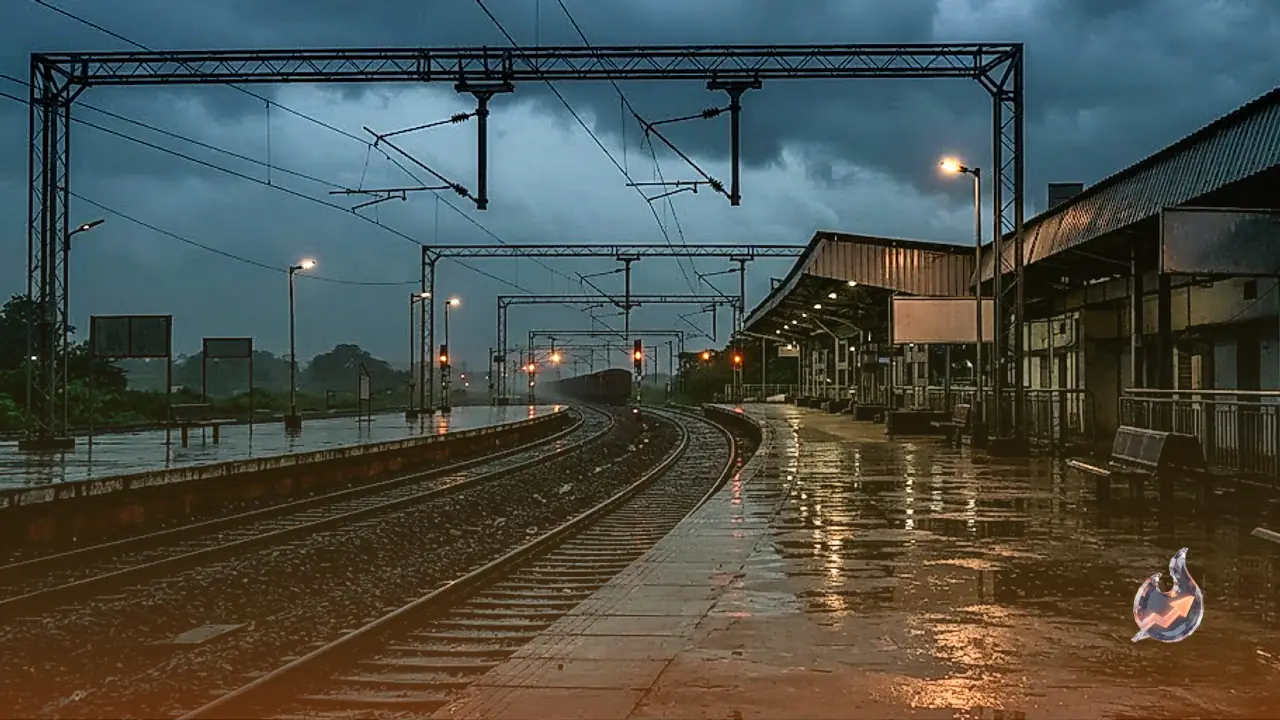
The weather department predicts that certain regions could witness an additional 200 to 400 millimeters of rainfall in the coming days. In densely populated urban environments dominated by concrete and asphalt, rainwater cannot easily seep into the ground, drastically compounding the problem. Water levels surge rapidly across rivers and roadways, escalating flood risks. In Shanghai alone, approximately 215,600 people were moved from vulnerable areas to secure locations by Sunday evening. While initial estimates placed the evacuation figure around 30,000, operations were rapidly scaled up as conditions deteriorated. The flooding forced the cancellation of more than 1,300 flights across the city's two airports, and major ports were shut down. Railway services were also significantly disrupted as water infiltrated train stations.
Over One Million Residents Evacuated Across Eastern China
With widespread waterlogging on roads and paralyzed transportation, daily life has been completely upended. Authorities implemented a Level 1 emergency response warning. In Zhejiang province, over 900,000 people were evacuated, prompting the opening of more than 1,500 emergency shelters. Meanwhile, approximately 99,000 individuals were secured in Fujian. In total, over one million people across eastern China have been successfully relocated to safe areas. Before hitting mainland China, the powerful storm swept through Japan's Okinawa region, leaving several people injured and cutting off electricity to thousands of buildings.