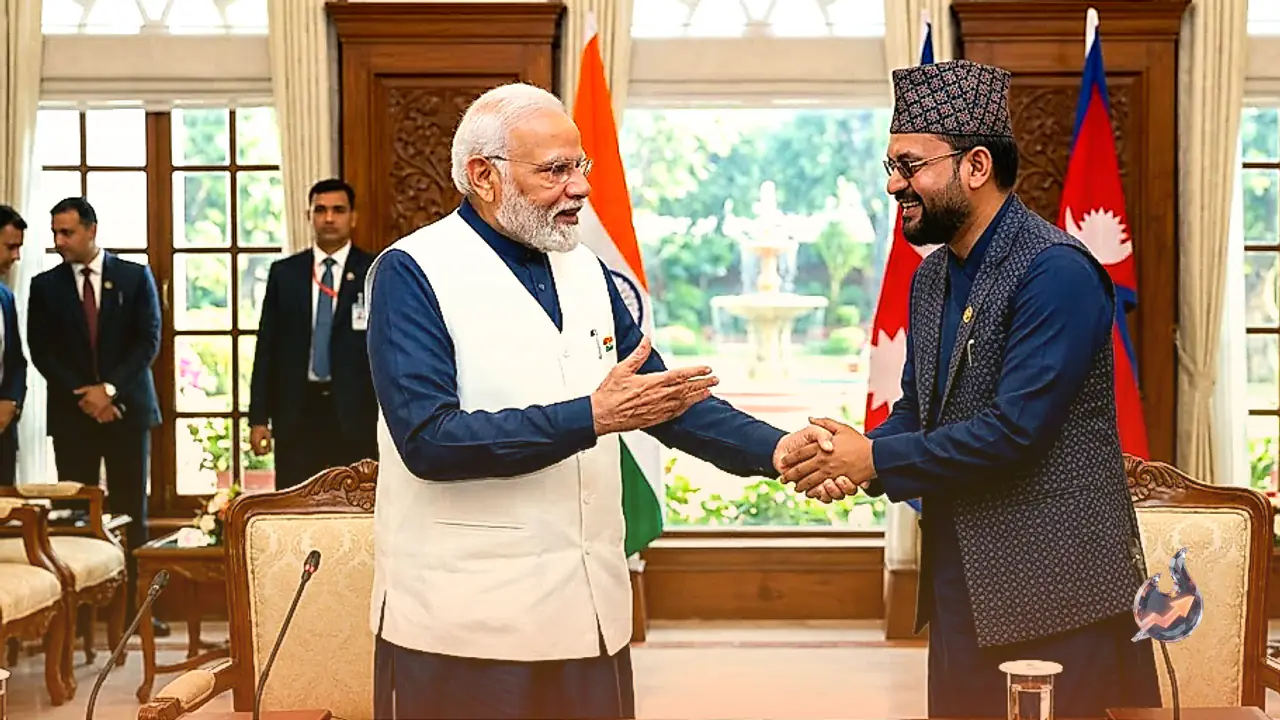



















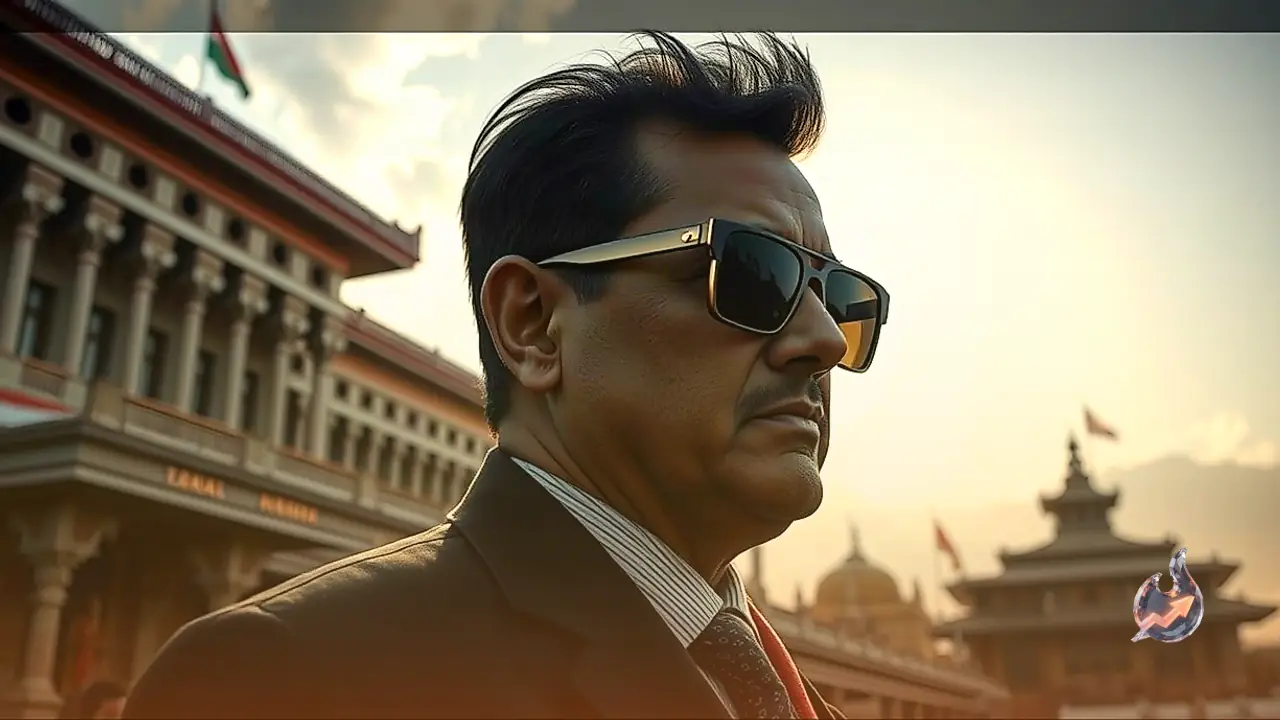

Nepal Prime Minister Balen Shah has secured official permission from the Federal Parliament Secretariat to wear his signature dark rectangular sunglasses inside the House during legislative proceedings. The clearance follows a medical evaluation confirming that intense lighting causes him eye discomfort, granting him a formal health waiver from standard parliamentary dress code restrictions regarding dark eyewear.
Official Exemption Granted Following Medical Evaluation
The decision to allow the Prime Minister to wear tinted glasses during House sessions relies strictly on professional medical advice. Following complaints of eye strain and difficulty seeing under bright light, the 36-year-old Prime Minister underwent an eye examination at Birendra Military Hospital in Kathmandu. Ophthalmologist Associate Professor Lieutenant Colonel Dr. Sachit Dhakal examined him and advised the use of protective dark sunglasses whenever exposed to strong illumination, alongside the application of prescribed eye drops as needed.
Promptly after the examination, the Prime Minister's office forwarded the military hospital's medical documentation and the specialist's written recommendations to the Federal Parliament Secretariat. Secretariat Spokesperson Ekram Giri verified that the submitted records firmly demonstrate a legitimate medical condition requiring protective eyewear under bright lights. Elaborating on the approval, Secretariat Deputy Spokesperson Ananta Prasad Koirala explained that the formal report justifies why the Prime Minister requires sunglasses, confirming that he is fully permitted to wear them inside the chamber whenever intense light medically necessitates it.
Parliamentary Dress Code Rules and the Dark Glasses Ban
The controversy surrounding tinted glasses in Nepal's House of Representatives began earlier this month when Speaker Dol Prasad Aryal issued explicit instructions to party whips regarding chamber decorum. Speaker Aryal directed lawmakers to refrain from wearing dark sunglasses during parliamentary meetings, highlighting that the practice had drawn widespread criticism and public scrutiny. Consequently, parliament reinforced strict decorum guidelines prohibiting tinted eyewear during sessions, explicitly providing exceptions only for members with verified medical conditions.
Rather than ignoring parliamentary protocol, Prime Minister Balen Shah complied with official procedures by submitting validated medical records. By presenting documentation from Birendra Military Hospital, his office established that wearing dark glasses was an authorized medical necessity rather than a breach of legislative decorum. This formal step resolved the debate surrounding his attire, allowing him to maintain his personal style within the bounds of parliamentary regulations.
Facing Parliamentary Questions in the August 26 Session
Amid discussions over his parliamentary attendance and attire, Prime Minister Balen Shah attended a direct question-and-answer session with lawmakers on August 26. This marked his first formal appearance for a direct Q&A session under the Rules of the House of Representatives since assuming the prime ministership. The session had been scheduled after several members of parliament expressed concern over his absence from earlier meetings, leading the Speaker to direct his appearance before the House.
During the August 26 proceeding, eleven members of parliament registered specific questions for the Prime Minister. His attendance attracted significant attention as lawmakers addressed legislative matters, while observers noted how the formal medical exemption allowed him to navigate parliamentary scrutiny without altering his established public appearance.
From Kathmandu Mayor to PM: The Political and Cultural Symbolism
The 36-year-old rapper-turned-politician has consistently used his distinctive appearance to signal a departure from traditional political norms. Prior to entering high office, Balen Shah established his signature look during his tenure as Mayor of Kathmandu, where rectangular dark sunglasses and all-black attire became standard features of his public engagements. For many citizens in Nepal, this aesthetic represented an outsider identity challenging the conventional political establishment.
The signature look quickly expanded into mainstream popular culture and retail fashion. Enthusiasts and supporters across the country adopted the style, referring to the dark eyewear as Balen Dai ko Chashma. Retail shops throughout Kathmandu reported increased demand for dark rectangular frames marketed specifically as Balen Sunglasses. Today, the eyewear serves as both a medically necessary accessory and a recognized symbol of his political trajectory from local governance to the prime ministership.