









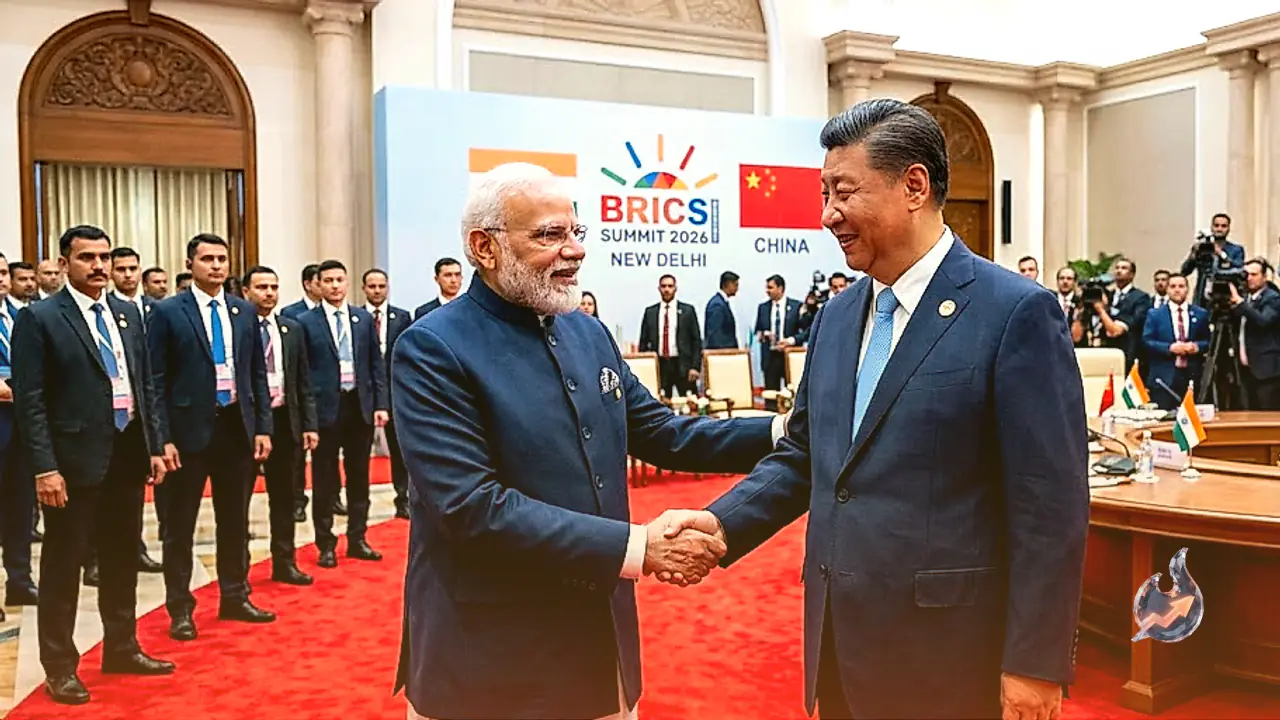














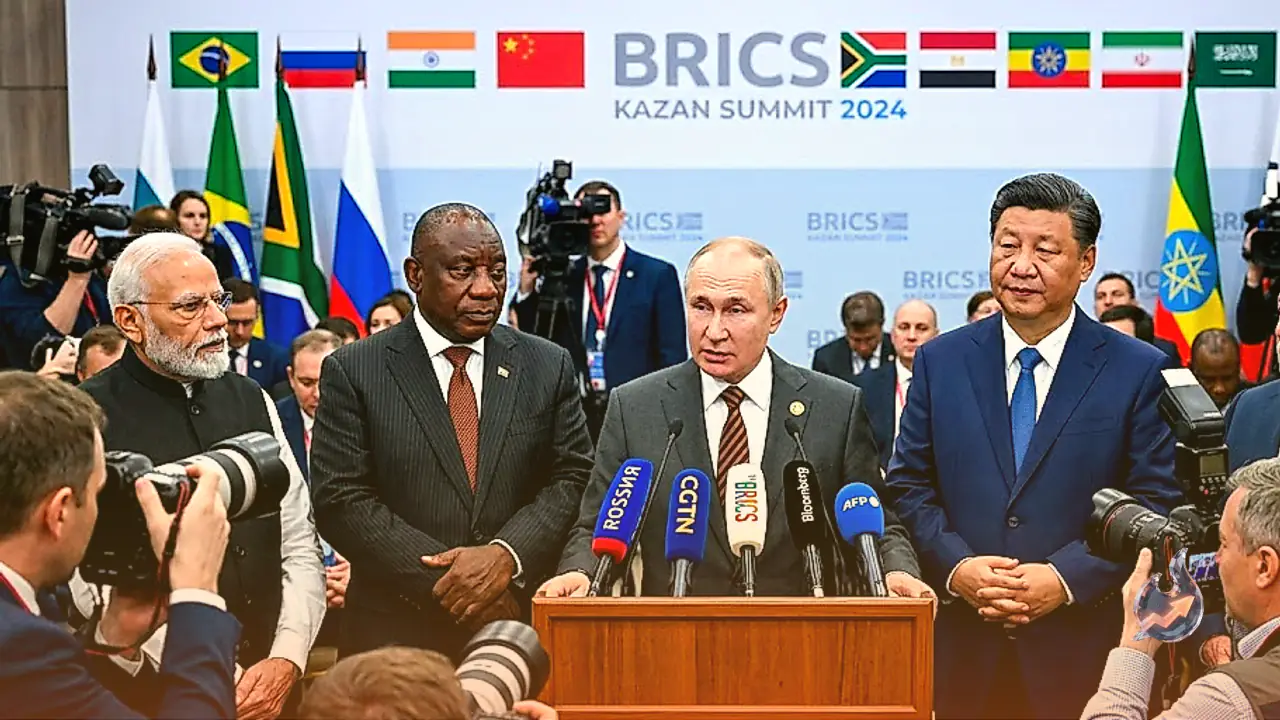

In a significant geopolitical move, the BRICS alliance has issued a joint declaration strongly opposing unilateral trade tariffs and carbon border adjustment taxes implemented by developed economies. The member nations described these unilateral trade measures as highly discriminatory and protectionist barriers designed to penalise developing countries under the guise of environmental compliance, violating the core principles of the World Trade Organization.
A Unified Stand Against Protectionist Policies
During the summit led by India, the member states reached a consensus on the need to combat discriminatory trade practices. The joint statement specifically singled out the Carbon Border Adjustment Mechanism (CBAM) and other unilateral tariffs, arguing that such policies unfairly target developing economies and disrupt global supply chains. By acting as a unified front, the bloc aims to challenge the economic policies of Western nations that limit free trade and economic development.
Rising Geopolitical Friction and Tariff Threats
This collective resistance comes at a time when global trade is increasingly weaponised. Donald Trump has frequently advocated for massive import duties, including proposals for tariffs as high as 500 percent through measures like the Bipartisan Russia Sanctions Bill. These aggressive trade strategies have heightened tensions, with the bloc seeking to shield its member economies from potential economic fallout. Additionally, Russia has actively championed the expansion of the bloc as a counterweight to the G7, with Vladimir Putin criticizing Western economic policies and highlighting the rising prominence of the BRICS alliance.
Internal Challenges vs. Strategic Alignment
While the alliance has presented a united face against Western trade barriers, it faces its own internal complexities. The recent expansion of the group, heavily pushed by China, has led to visible disagreements and varying strategic priorities among its members. Despite these internal friction points, major players like India, China, and Russia find common ground when challenging Western economic dominance. Issues such as India's imports of Russian oil have previously drawn scrutiny from Washington, further motivating developing nations to establish alternative economic frameworks that are resilient to unilateral sanctions and high tariff walls.


