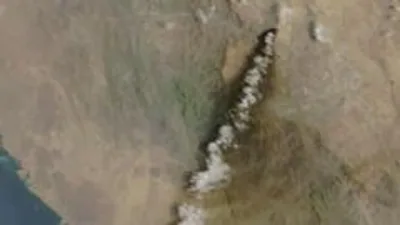






















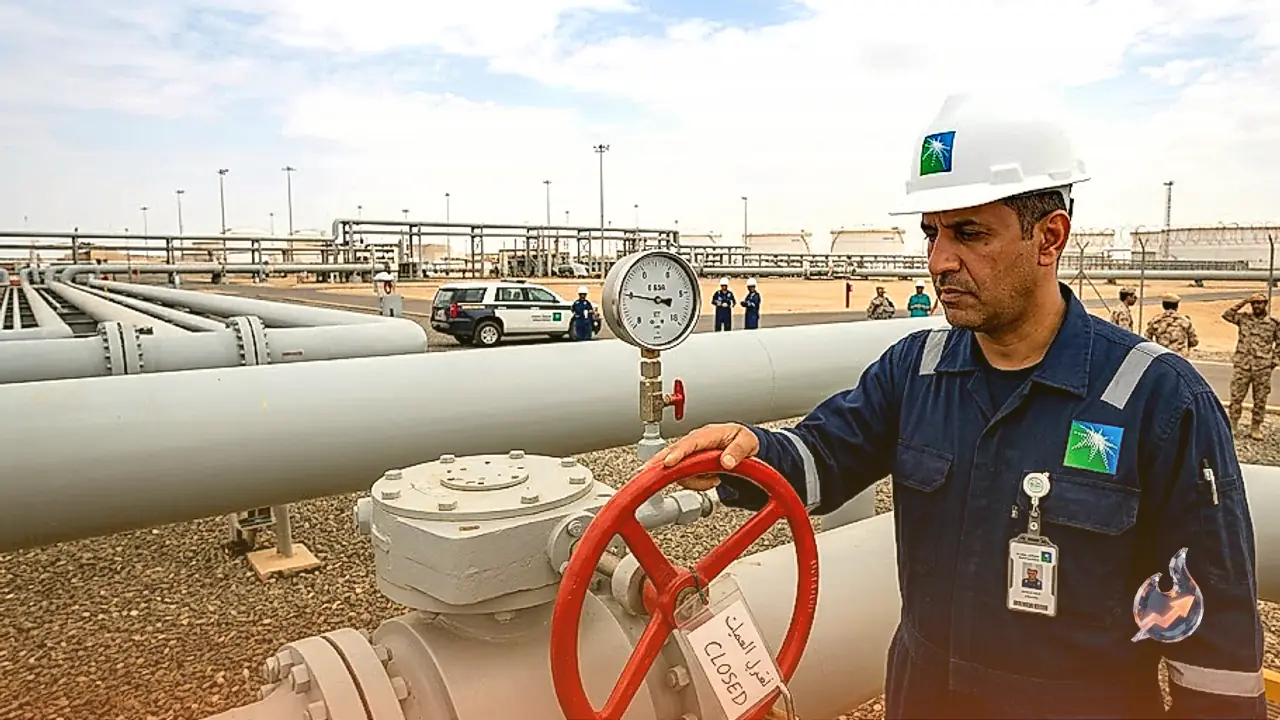

Saudi Arabia has implemented a precautionary shutdown of its major East-West energy pipeline following a targeted drone strike launched from neighboring Iraqi territory. This development underscores the widening geographical scope of geopolitical conflicts across the Middle East, as cross-border proxy attacks increasingly threaten critical infrastructure. Riyadh announced the pipeline closure after confirming some infrastructure damage and localized injuries, with subsequent analysis of satellite imagery showing clear evidence of scorched ground and plumes of smoke at the affected facility. The incident has sent ripples of concern through global energy markets, highlighting the extreme vulnerability of major oil supply routes to regional military escalations.
The Strategic Core: East-West Pipeline and Hormuz Bypass
Spanning 1,200 kilometers (745 miles), the East-West pipeline serves as a strategic lifeline for Saudi Arabia, the world's leading exporter of crude oil. This crucial land corridor enables the country to transport vast quantities of crude directly to shipping ports, effectively bypassing the Strait of Hormuz. Bypassing this narrow and often contested waterway is central to maintaining the stability of the kingdom's exports during periods of regional tension. According to energy analysts and shipping tracking services, the pipeline is responsible for carrying between 4% and 5% of the total global oil supply. Consequently, any prolonged disruption to this pipeline's flow directly impacts global energy security and supply balances.
The Iraqi Border Connection and Decisive Administrative Dismissals
Baghdad has acknowledged that the hostile drone launch originated from within its borders, specifically from Maysan governorate, a province that shares a direct border with Iran. Following this confirmation, the Iraqi prime minister's office took immediate administrative action by removing the operations commander of the Maysan governorate from his position. Alongside this dismissal, Iraq has initiated an exhaustive investigation into how the breach occurred and who orchestrated the deployment of the unmanned aerial vehicles. This swift response reflects Baghdad's concern over being drawn directly into regional military standoffs and its desire to maintain bilateral stability with its neighbors.
Riyadh's Diplomatic restraint and Warning of Sovereign Rights
Despite the physical damage and reported injuries, Saudi Arabia has chosen not to launch an immediate retaliatory military campaign. This diplomatic restraint followed a high-level telephone consultation between the Iraqi prime minister and Saudi leadership. The foreign ministry in Riyadh announced that the kingdom intends to fully support the Iraqi government's ongoing domestic efforts to prevent hostile actions being launched from its territory against foreign states. However, the Saudi administration explicitly maintained that it reserves its complete sovereign right to implement all necessary defensive measures to safeguard its borders, protect its industrial facilities, and ensure the safety of its citizens and residents.
Yemen Context and Rising Pressures on Global Shipping Passages
The drone strike comes amidst significant territorial advances by Iran-backed Houthi forces in Yemen, placing further strain on crucial international maritime trade routes as the broader US-Iran conflict persists into its seventh month. The Houthi rebel forces have declared that they maintain effective operational control over the Bab al-Mandab Strait, which serves as the southern gateway to the Red Sea and the vital Suez Canal shipping corridor. While the rebel leadership asserted that general maritime navigation remains safe for global commerce, they explicitly warned that Saudi-flagged vessels remain active targets for interceptive action, creating an atmosphere of heightened risk for logistics and maritime insurance companies.
Military Backlash: Yemen Armed Forces Launch Counter-Offensive
In response to the Houthi advances, the Yemeni Armed Forces have launched significant counter-operations. Spokesman Majid al-Nuzaili announced that government military units targeted several Houthi operational strongholds in and around the coastal city of Mokha. According to military reports, these operations successfully destroyed multiple insurgent combat vehicles, heavy weaponry, and resulted in several Houthi casualties. Furthermore, local reports indicate that government military aircraft conducted targeted air strikes against Houthi military sites within both the coastal Taiz governorate and the adjacent Ibb governorate, amplifying the regional military friction.
Global Financial Consequences and Inflationary Triggers
The sudden suspension of a critical energy pipeline has heightened anxiety across global financial and commodity markets. Rising energy prices have immediately triggered fears of a corresponding increase in global inflation, which could complicate the monetary policies of central banks worldwide. This volatility in the energy sector has already begun to exert upward pressure on government borrowing costs, with sovereign bond yields rising in response to the growing geopolitical risks. If the instability surrounding Middle Eastern energy logistics persists, consumers and industries worldwide could face increased operational costs and a prolonged period of economic uncertainty.