


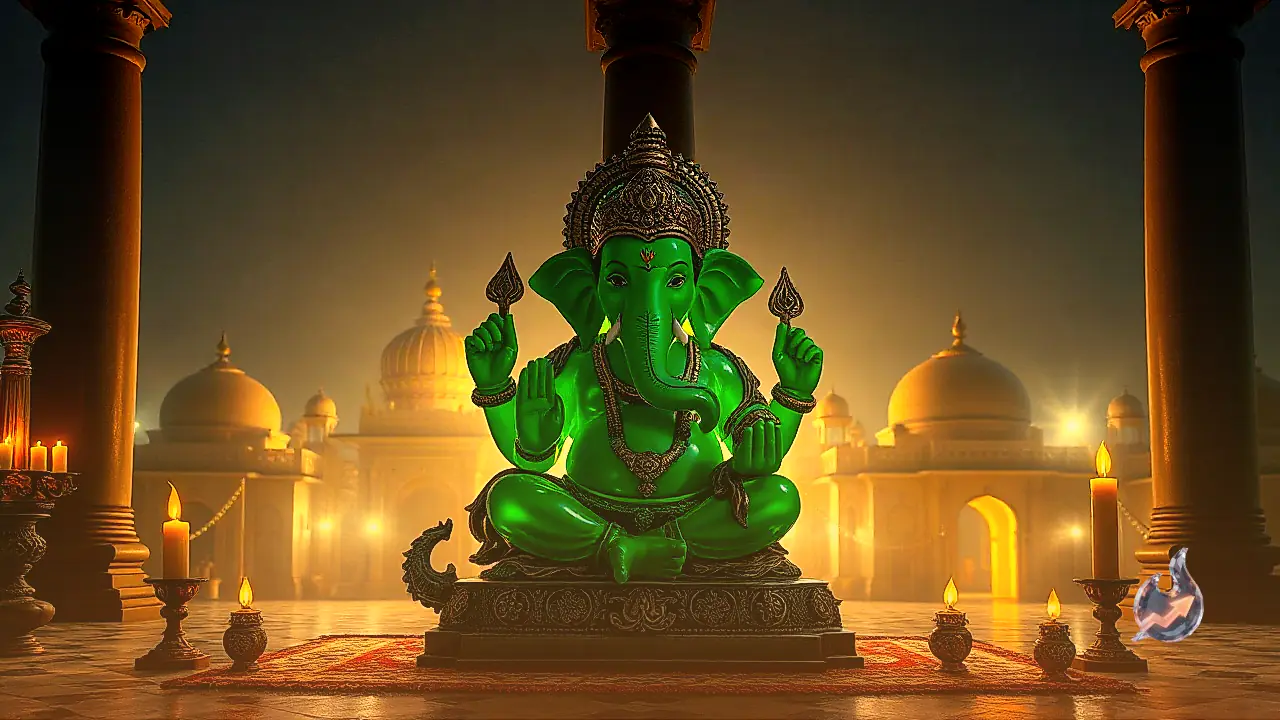



















Preparations are in full swing across the country for the grand celebration of Ganesh Chaturthi, which marks the birth of Lord Ganesha, the remover of obstacles. This year, the auspicious festival of Ganesh Chaturthi will be observed on Monday, September 14. On this sacred day of Bhadrapada Shukla Chaturthi, devotees will welcome Lord Ganesha into their homes with immense joy and devotion. According to Hindu beliefs, worshiping Lord Ganesha with a pure heart helps overcome all life difficulties and brings intellect, wisdom, and prosperity. Devotees bring home beautiful idols made of various materials like clay, brass, copper, silver, gold, or other metals, depending on their individual faith and family traditions.
Ganesh Chaturthi Date and Auspicious Worship Timings
This year, Ganesh Chaturthi falls on a Monday, which adds extra spiritual significance to the celebrations. According to the Hindu calendar, the Chaturthi tithi will begin at 7:06 AM on September 14 and will continue until 7:44 AM on September 15. Based on traditional calculations, the most auspicious time for the installation (sthapana) of the idol and the subsequent Madhyahna puja is scheduled between 11:08 AM and 1:36 PM on September 14. However, depending on local panchangs and geographical coordinates, there might be slight variations in these timings across different cities.
Astrological Significance of Emerald Ganesha and the Mercury Connection
According to Pandit Ramesh Chandra Shastri, a renowned Bhagwat Acharya from Karauli, the most crucial element in worshiping Lord Ganesha is the devotee's sincere faith and dedication. He explains that worshiping any Ganesha idol established with proper rituals and pure intentions is highly beneficial. From an astrological viewpoint, the gemstone emerald (Panna) is deeply connected with the planet Mercury (Budh). In Vedic astrology, Mercury is considered the ruling planet of intelligence, speech, business acumen, logical reasoning, and wisdom.
Pandit Shastri explains that Lord Ganesha himself is the deity of intellect and wisdom. Therefore, placing an emerald Ganesha idol in the home temple or worship area is considered exceptionally rewarding. It is widely believed that regularly worshiping an emerald Ganesha with devotion helps enhance concentration, improves mental clarity, and invites positive energy into the household.
Choosing an Idol Based on Your Budget and Capability
Since emerald is a highly precious and rare gemstone, an idol carved from it can be extremely expensive. Pandit Ramesh Chandra Shastri clarifies that purchasing a costly emerald idol is by no means mandatory for every devotee. The divine only seeks true devotion and pure feelings, rather than expensive items. Devotees can comfortably bring home Ganesha idols made of clay, panchdhatu (five-metal alloy), brass, silver, or other sacred materials according to their financial capacity. Eco-friendly clay Ganesha idols are also highly recommended and carrying out their worship brings equal spiritual merits.
Puja Method and Lord Ganesha's Favorite Offerings
On Ganesh Chaturthi, offering specific items during the ritual worship helps seek the deity's blessings. Pandit Ramesh Chandra Shastri mentions that offering durva grass, fresh flowers, akshat (unbroken rice grains), roli, sandalwood paste, incense sticks, oil lamps, and sweets like modaks or laddoos is highly auspicious. Among these, durva grass is particularly dear to Lord Ganesha and should always be included in the prayers. He emphasizes that the divine does not require expensive decorations or grand arrangements; instead, a clean mind, disciplined ritual practice, and true devotion are more than enough.
Festival Duration and Farewell on Anant Chaturdashi
Depending on local customs and family traditions, the duration of Ganesha's stay in the household varies. Devotees host the deity for periods ranging from one and a half days, five days, seven days, to a full ten days. This year, the festival will culminate on Anant Chaturdashi, which falls on September 25. On this day, the Ganesha idols will be immersed in water (visarjan) amid grand processions and emotional farewells. Devotees can comfortably choose the duration of their worship according to their convenience and family customs.


