























Flores Rattled Again as Fresh 5.9 Magnitude Earthquake Hits IndonesiaWorld
20 Aug 2026, 10:01 am (2 hours ago)· 2

Flores Rattled Again as Fresh 5.9 Magnitude Earthquake Hits Indonesia

A fresh 5.9 magnitude earthquake struck Indonesia's Flores region on Thursday, adding to trauma from the August 15 quake that killed at least 73 people and displaced 60,000 residents.

The Flores region of Indonesia was rattled by another strong earthquake on Thursday, measuring 5.9 on the Richter scale. The shallow tremor triggered renewed fear among local residents who are still coping with the massive destruction caused by a devastating seismic event earlier this month.

Fresh 5.9 Magnitude Quake Hits Flores Region

According to seismic data provided by the European-Mediterranean Seismological Center, Thursday's earthquake originated at a depth of 10 kilometers beneath the earth's surface. Because the quake occurred at such a shallow depth, strong tremors were felt across surrounding communities on Flores island. Panicked residents fled their homes into open streets, while local rescue teams remained on high alert following the fresh disturbance.

Also read

Devastation From the August 15 Mainshock

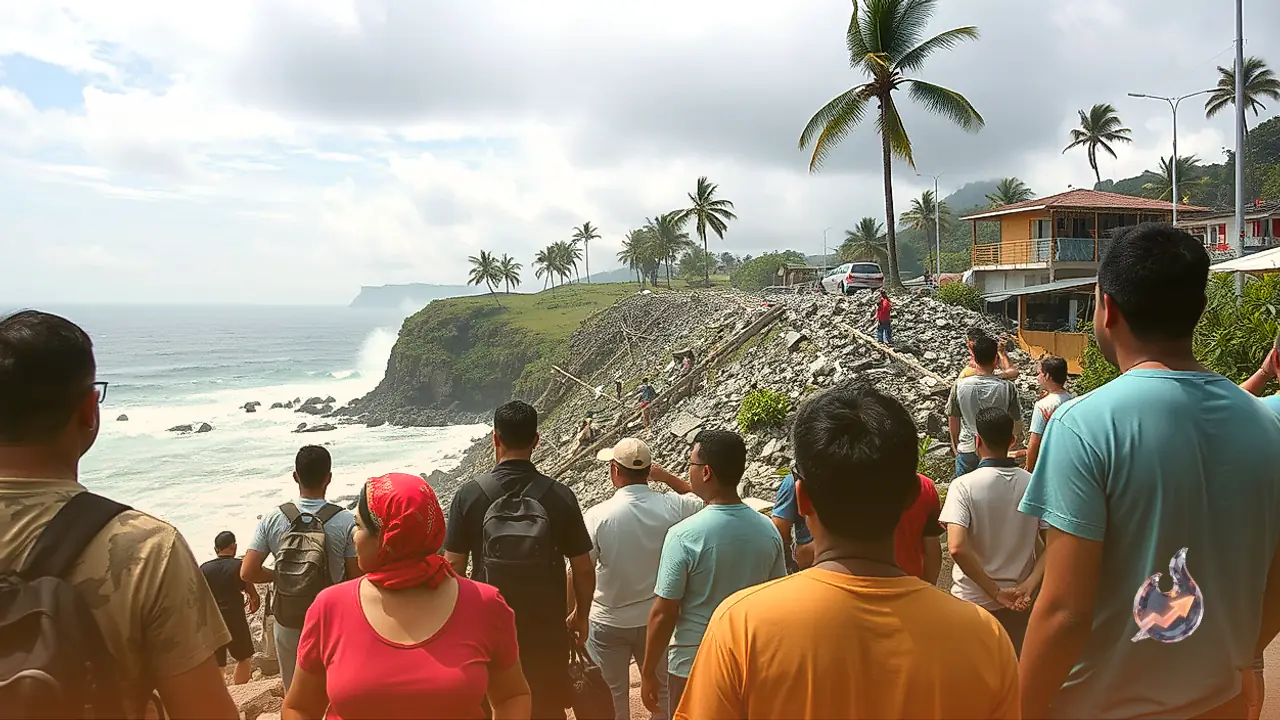
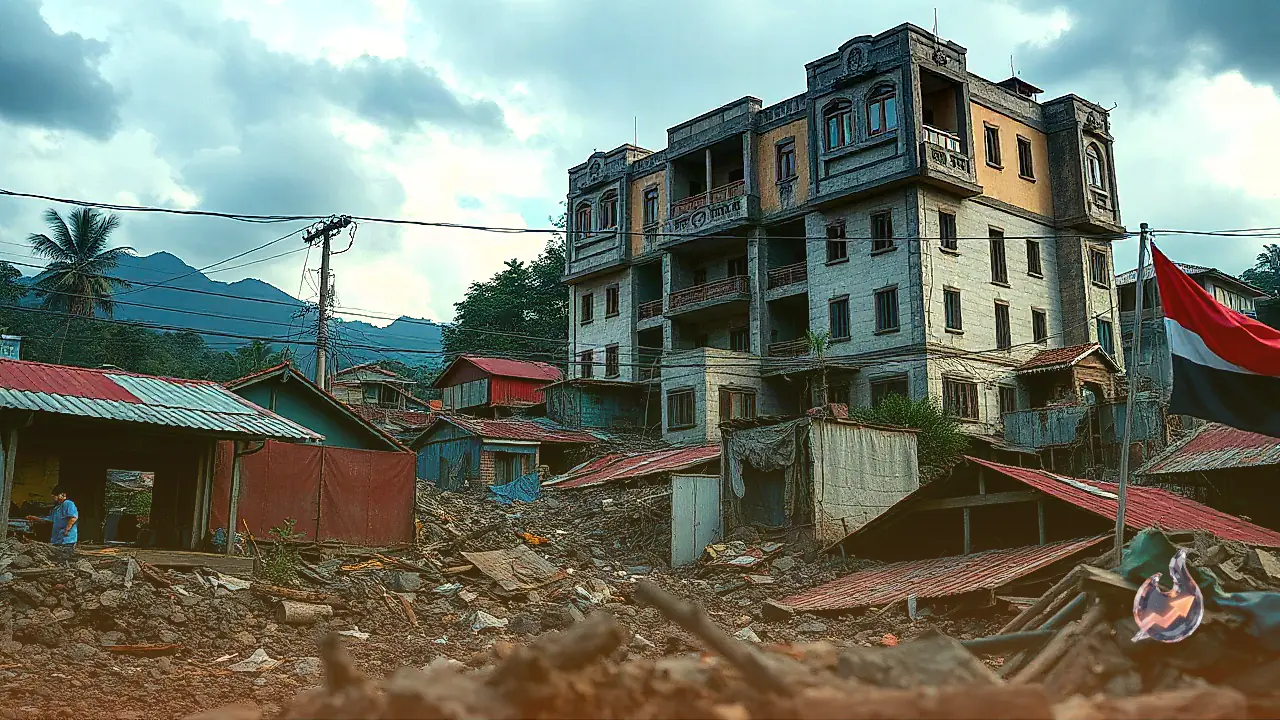
This latest seismic activity comes just days after a massive 7.7 magnitude earthquake struck near Flores island on August 15. The epicenter of that powerful quake was located approximately 68 kilometers north-north-west of Ende in East Nusa Tenggara. The shallow epicenter triggered violent ground movements and extensive landslides, causing severe structural damage to private residences, educational facilities, healthcare centers, and government administrative buildings. The mainshock also generated small tsunami waves, with the highest crest measuring approximately 1.61 meters high, leading to temporary coastal tsunami warnings that were later lifted by authorities.

Casualties, Displacement, and Ongoing Relief Obstacles

Official figures released by Indonesian authorities confirm that at least 73 people have died and more than 900 individuals have suffered injuries as a result of the disaster. In addition, around 60,000 residents have been displaced from their homes and relocated to temporary relief shelters. The region has experienced a relentless succession of seismic events, with over 3,000 aftershocks recorded since the August 15 quake. Emergency crews and rescue teams continue to face immense difficulties in delivering aid and reaching isolated communities due to landslide debris, destroyed roads, and damaged infrastructure.


Questions & Answers

What was the magnitude of the new earthquake in Indonesia's Flores region on Thursday?
The new earthquake on Thursday recorded a magnitude of 5.9 on the Richter scale, with a depth of 10 kilometers.
Where was the epicenter of the powerful August 15 earthquake in Indonesia?
The epicenter of the 7.7 magnitude quake on August 15 was located approximately 68 kilometers north-north-west of Ende in East Nusa Tenggara.
How many casualties and injuries have been confirmed from this natural disaster?
Official figures confirm at least 73 deaths, over 900 injuries, and approximately 60,000 displaced residents.
How many aftershocks have been recorded since the main earthquake?
More than 3,000 aftershocks have been recorded in the region since the main earthquake on August 15.
Did the earthquake trigger any tsunami waves?
The August 15 quake generated small tsunami waves, with the highest wave measuring about 1.61 meters high, though coastal warnings were later lifted.
What obstacles are impeding relief and rescue operations in the affected areas?
Landslides have damaged roads and ongoing aftershocks make it difficult for rescue teams to reach remote affected areas with relief supplies.

Comments 2

Omar AL Mansoori@omar-mansoori·1h ago

With over 3,000 aftershocks following the initial 7.7 magnitude quake on August 15, this fresh 5.9 magnitude tremor indicates that the road to infrastructure recovery and the return of 60,000 displaced residents will be exceptionally long and arduous. Persistent landslides and destroyed roads are severely crippling rescue operations, significantly raising the risk of a deepening humanitarian crisis in isolated areas.

Karan Malhotra@karan-malhotra·1h ago

In both crime and disaster management, swift law enforcement and secure transit routes are critical. However, with over 3,000 aftershocks and completely destroyed surface routes in this natural disaster, maintaining order and allowing security forces to patrol or monitor affected areas has become a severe administrative challenge. The collapse of infrastructure poses a massive security risk to displaced citizens.

Citizen journalism

Become a TrendKia journalist

Voice of the people

Share news, photos and videos from your area with TrendKia and let your voice reach the nation. Every citizen a journalist.

Join now
CH 01 LIVE
TrendKia TV ON AIR