













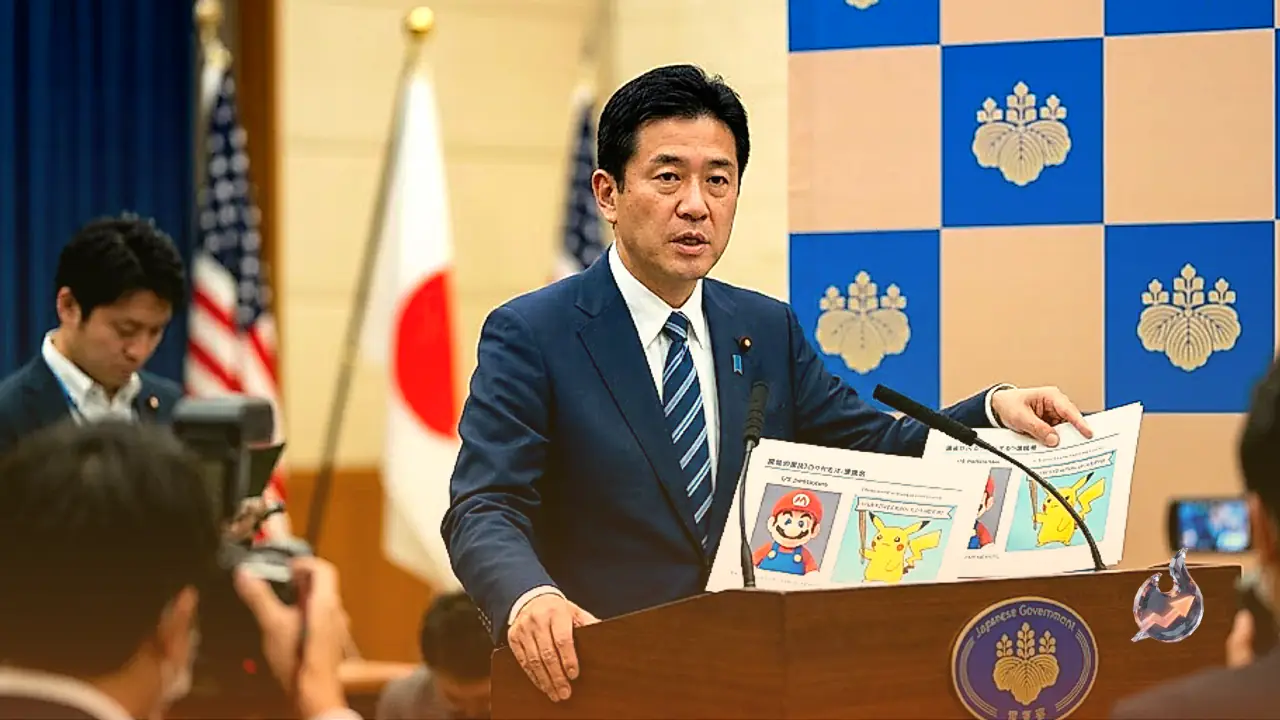

An unusual diplomatic friction has developed between the United States and Japan, centering not on trade agreements or military pacts, but on legendary anime and gaming icons like Pokémon, Mario, and Naruto. Japanese authorities have issued a stern warning to American officials, urging them to exercise caution and obtain proper permissions before featuring these beloved cultural characters in political memes and social media campaigns.
The controversy escalated after various US government agencies and accounts linked to the Donald Trump administration began utilizing popular Japanese pop culture figures in digital posts designed to push political narratives. Japan maintains that official institutions should never assume they have an inherent right to appropriate copyrighted creations for their own political messaging without authorization.
Japanese diplomats formally raised this pressing issue through official channels, conveying deep anxiety that associating these globally cherished brands with partisan politics or controversial statements could severely damage their reputation. Iconic figures like Mario serve as the core identity of the Japanese gaming giant Nintendo, which has spent decades building its worldwide presence and cultural footprint.
These characters command massive international fanbases and represent the pinnacle of Japanese soft power and pop culture. When such beloved fictional entities are co-opted into contentious political discourse, it risks alienating fans and distorting the intended image of the brands. Tokyo has historically maintained a rigorous stance on enforcing copyright protection for its manga, anime, and broader creative industries.
From a legal standpoint, no formal court ruling has yet established whether the American government violated specific copyright statutes in these instances. Intellectual property laws safeguard creative works, but the legal boundaries surrounding political meme creation remain nuanced and open to interpretation. Consequently, this current dispute remains a matter of diplomatic objection rather than a formal courtroom battle.
The integration of internet memes into American political strategy has accelerated rapidly in recent years, with campaigns frequently leveraging viral pop culture references to engage audiences. However, this trend has now collided with international copyright norms and cultural preservation boundaries, forcing a debate over whether entertainment brands should be drafted into political service without the explicit consent of their creators.