



















Serbia stands at a profound political crossroads as the nation arrives at a snap parliamentary election widely viewed as a decisive referendum on its future trajectory. After two years of persistent grassroots mobilization, the upcoming vote poses the most formidable challenge yet to the long-standing dominance of populist leader Aleksandar Vucic. While the momentum on the streets has been overwhelmingly propelled by the energy of young citizens, the political alternative presenting itself at the ballot box comprises an alliance of professionals rather than students.
A Broad Coalition Rooted in Professional Life
Although the driving force behind the nationwide rallies originated within academic environments, none of the candidates on the prominent opposition ticket are students. Instead, the movement has drawn respected figures from across various pillars of Serbian society, bringing together seasoned educators, university professors, prominent actors, medical doctors, agricultural workers, and scientific researchers. This diverse representation has helped broaden its electoral appeal well beyond traditional political demographics.
The Catalyst: The Novi Sad Station Tragedy
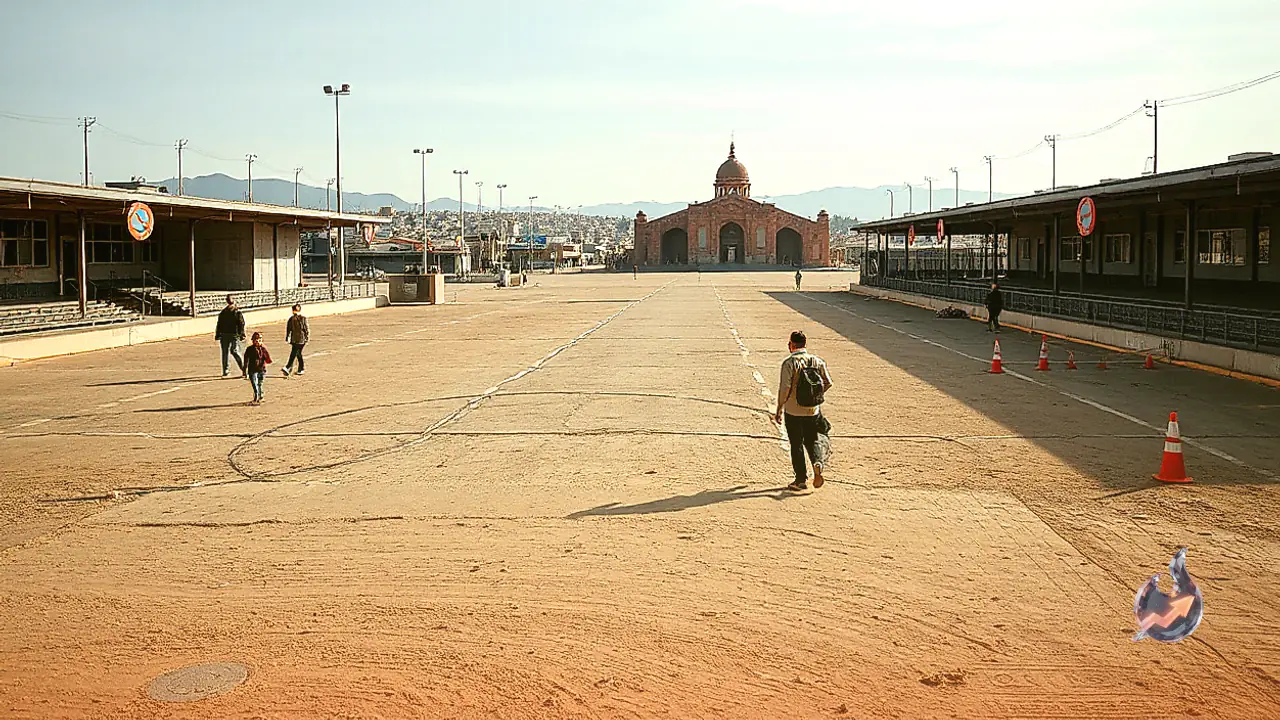
The profound upheaval can be traced directly back to November 1, 2024, when a heavy concrete canopy suddenly collapsed outside the railway station in Novi Sad, Serbia's second-largest city, resulting in the tragic deaths of 16 people. This devastating accident quickly galvanized public sentiment, transforming overnight into a potent symbol of systemic corruption and institutional negligence. Critics immediately pointed out serious flaws in the station's recent renovation, tying the botched project directly to the administration.
From Campus Protests to a National Movement
What initially began as localized campus demonstrations demanding accountability and justice rapidly snowballed into a widespread national phenomenon. The protests resonated deeply at the grassroots level, successfully pulling in diverse sectors of the population, including farmers, judicial officials, and cultural figures. The political shockwaves were swift and palpable, compelling the prime minister to resign within weeks of the disaster, while the capital witnessed some of the largest demonstrations in its modern history.
A Distinct Departure from Traditional Opposition
Unlike previous electoral cycles where fragmented pro-European coalitions struggled to mount a cohesive challenge against the ruling Serbian Progressive party, the current uprising has deliberately distanced itself from the mainstream political establishment. Operating without a traditional hierarchy or single leader, the movement has relied on decentralized assemblies and plenums to organize its actions. This structural independence has allowed it to capture the anti-establishment sentiment of voters who felt alienated by conventional political parties.
Government Pushback and International Scrutiny
The leadership has mounted a robust defense, with senior officials vehemently denying allegations of corruption or media manipulation while dismissing the movement as an external orchestration. International observers have closely monitored the lead-up to the polls, with European bodies noting a tense and polarized electoral climate. Reports from monitoring organizations highlighted severe imbalances in media coverage and institutional advantages enjoyed by the incumbent administration.
Electoral Mechanics and Voting Logistics
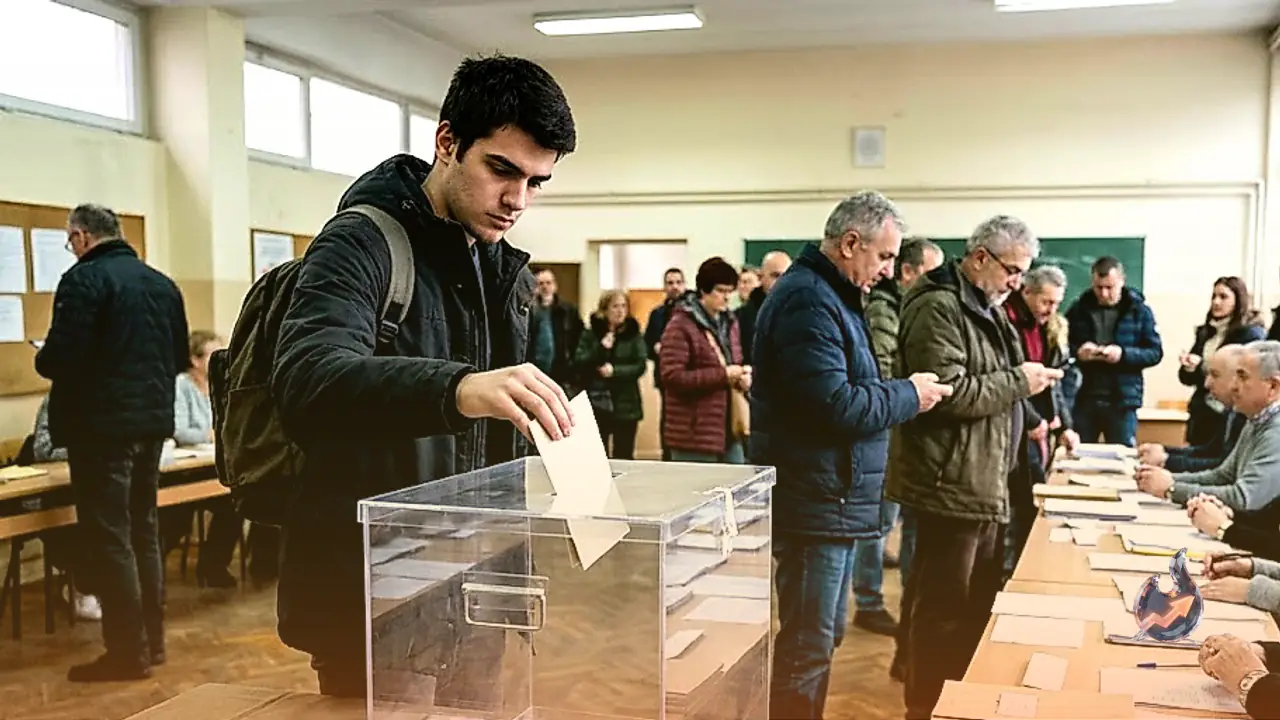
The Serbian parliament consists of 250 seats elected under a proportional representation system within a single nationwide constituency. Voters aged 18 and over across the country's registered electorate of 6.45 million will choose from 18 competing lists, though only seven have fielded a full slate of candidates. Parties must clear a 3 percent threshold of the total vote to secure parliamentary representation, prompting several smaller opposition factions to withdraw in favor of the unified alternative.