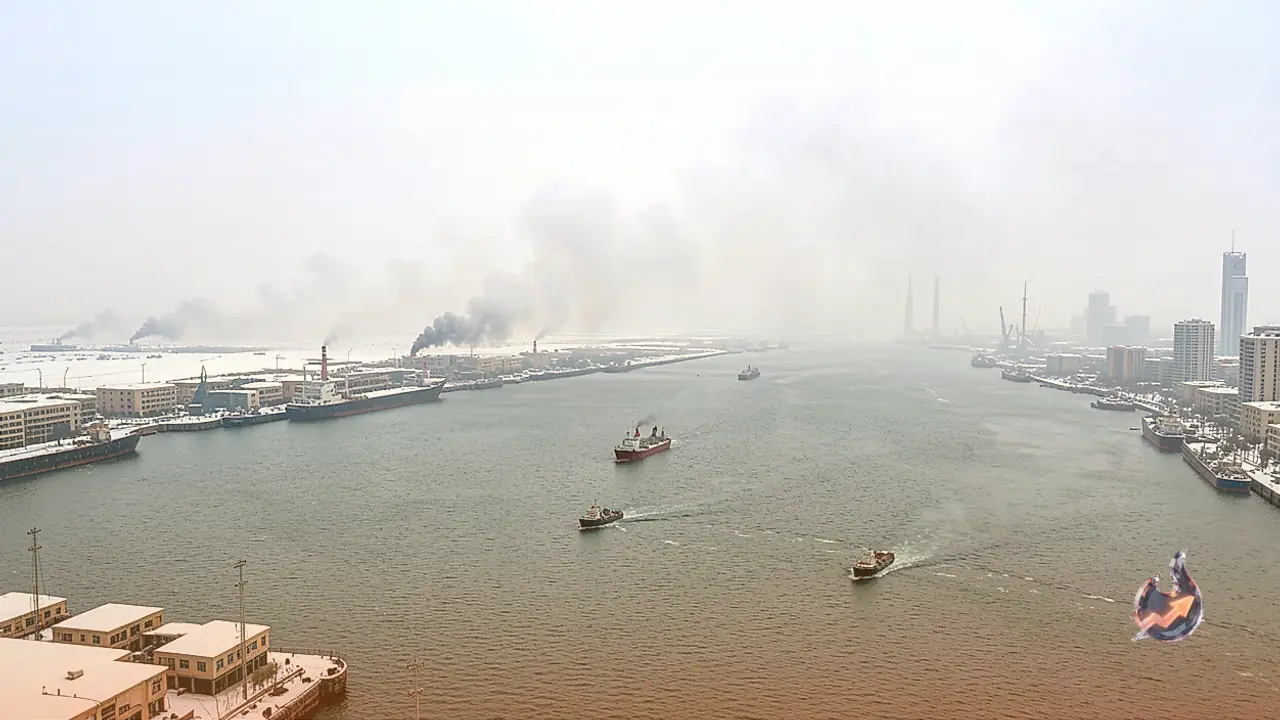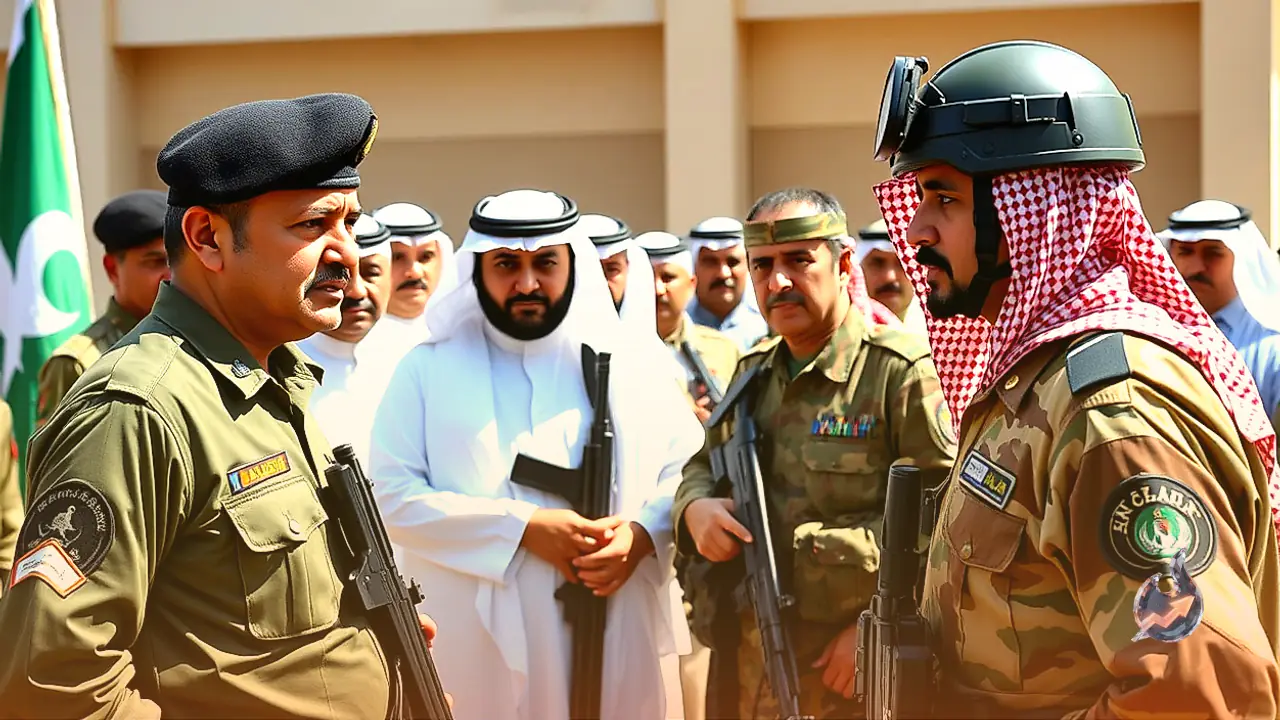


















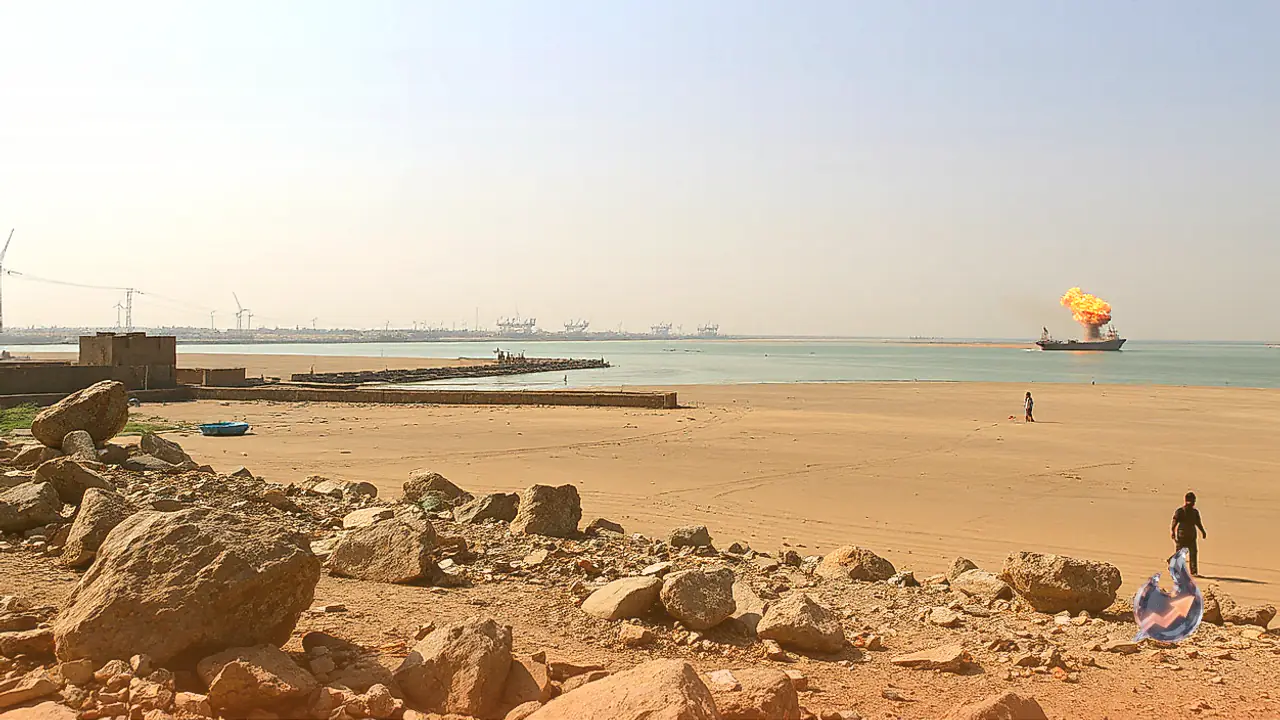

The geopolitical situation along the border between Pakistan and Iran has deteriorated sharply, triggering profound regional anxiety. Multiple violent attacks targeted security checkpoints and military compounds within the volatile Gwadar district of Pakistan's Balochistan province. Residents across coastal towns such as Pishukan and Sur reported hearing deafening explosions accompanied by intense gunfire. In response to these security breaches, Pakistani armed forces cordoned off the entire region and launched an extensive sweep to track down those responsible.
Ground Travel Ban Halts Religious Pilgrimages
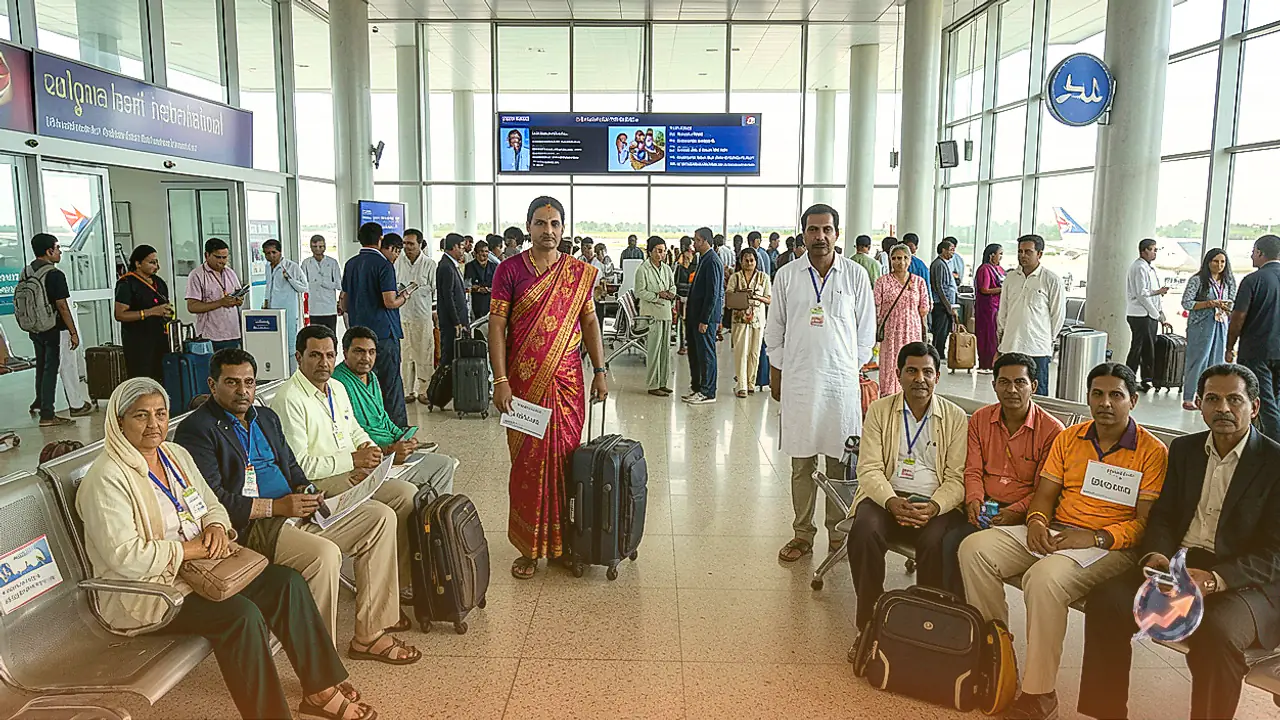
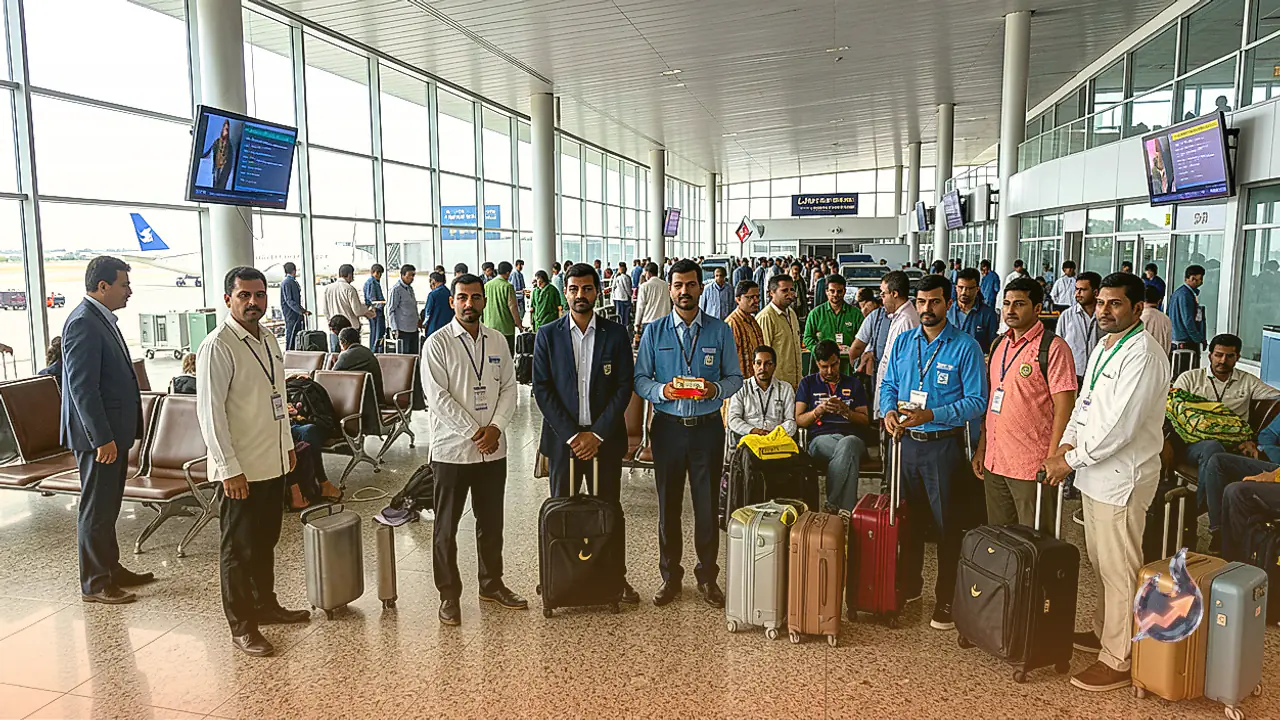
Reacting to the escalating violence, the Ministry of Interior in Pakistan announced an immediate suspension of all overland travel for pilgrims heading toward Iran and Iraq. Devotees planning to participate in the Arbaeen pilgrimage can no longer use roadways and must rely exclusively on commercial flights. The Ministry of Religious Affairs issued a comprehensive travel advisory urging group organizers not to depend on uncertain flight schedules and instructing travelers to carry extra funds for unforeseen emergencies.
Trade Paralysis Leaves Hundreds of Trucks Stranded
Bilateral commerce has ground to a complete standstill at the Gabd-Rimdan border crossing for five consecutive days. Hundreds of heavy cargo trucks remain stranded in long queues on the Pakistani side of the frontier. Commercial operators and local laborers are enduring severe hardships due to the blockade. Local merchants and business leaders report that import-export operations have suffered massive financial setbacks. Pakistani officials maintain that these sweeping restrictions were implemented primarily to curb smuggling activities and reinforce regional security.
Tehran Issues Strong Ultimatum Over Border Deadlock
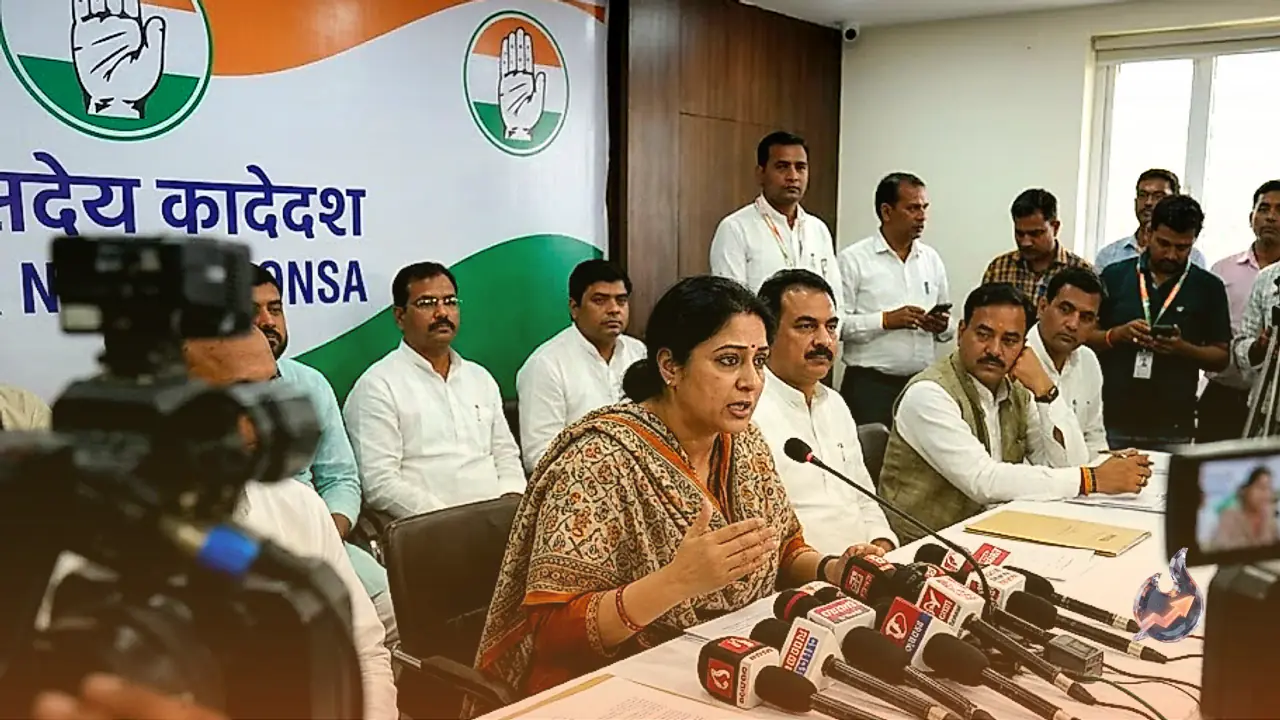
The mounting trade disruption has provoked sharp reactions from Iranian political leadership. Fadahossein Maleki, head of the Iran-Pakistan parliamentary friendship group, issued a stern warning that Iran will definitively seal its side of the frontier if the current impasse persists. Maleki alleged that Pakistan is obstructing Iranian freight trucks due to political pressure exerted by the United States. He noted that Pakistan's army chief, Field Marshal Asim Munir, previously visited Tehran to meet with Iranian President Masoud Pezeshkian and parliament speaker Mohammad Bagher Ghalibaf, yet administrative bottlenecks on the ground continue to persist.
Geopolitical Pressures and Economic Strains
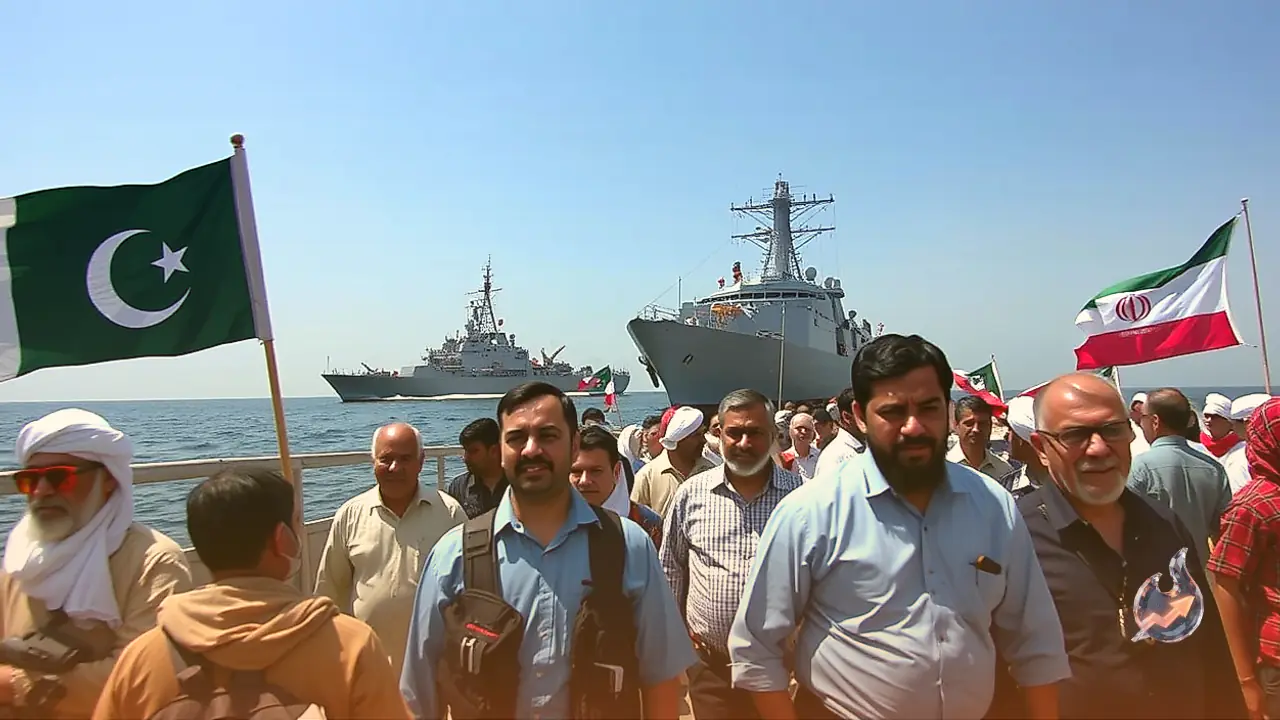
Iranian authorities emphasize that overland trade routes have become critically vital because the United States maintains a strict maritime blockade on Iranian ports. American officials continue to exert extraordinary economic pressure on Tehran, making regional land corridors indispensable for commerce. While Iranian officials attribute the cargo restrictions to external geopolitical pressure, Pakistani authorities continue to cite internal security measures and counter-smuggling protocols as the primary drivers behind the border delays.