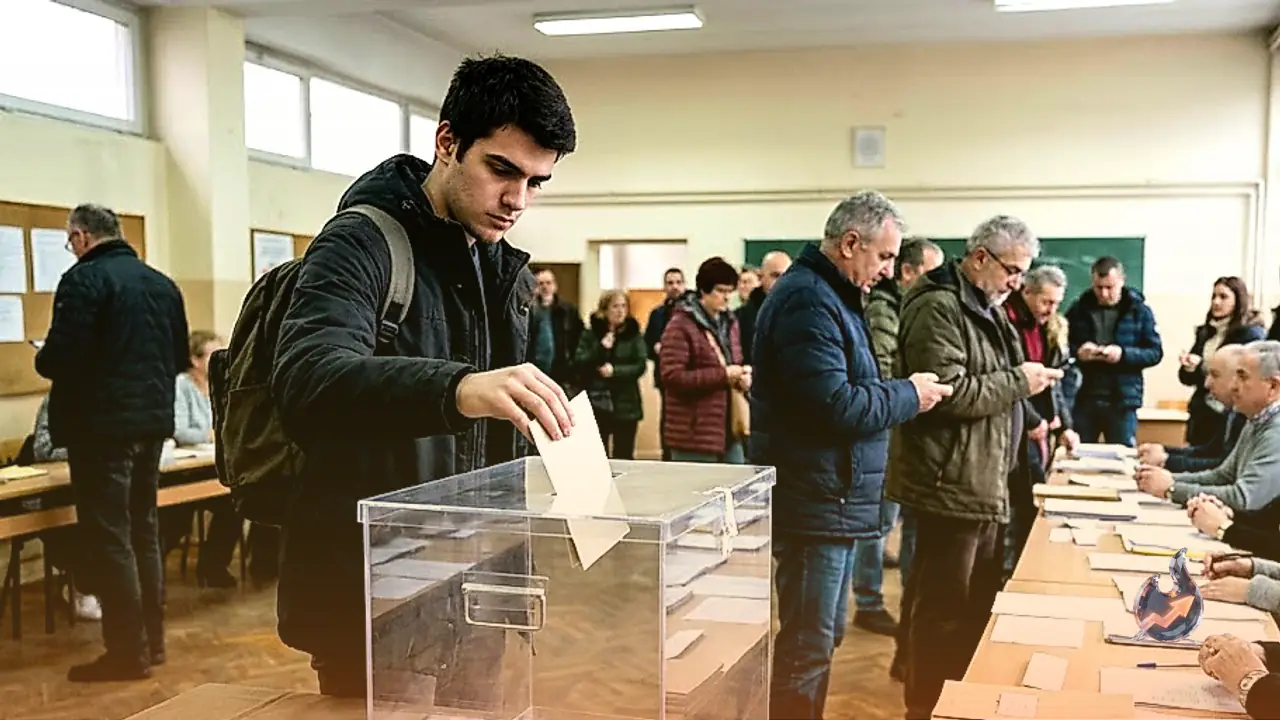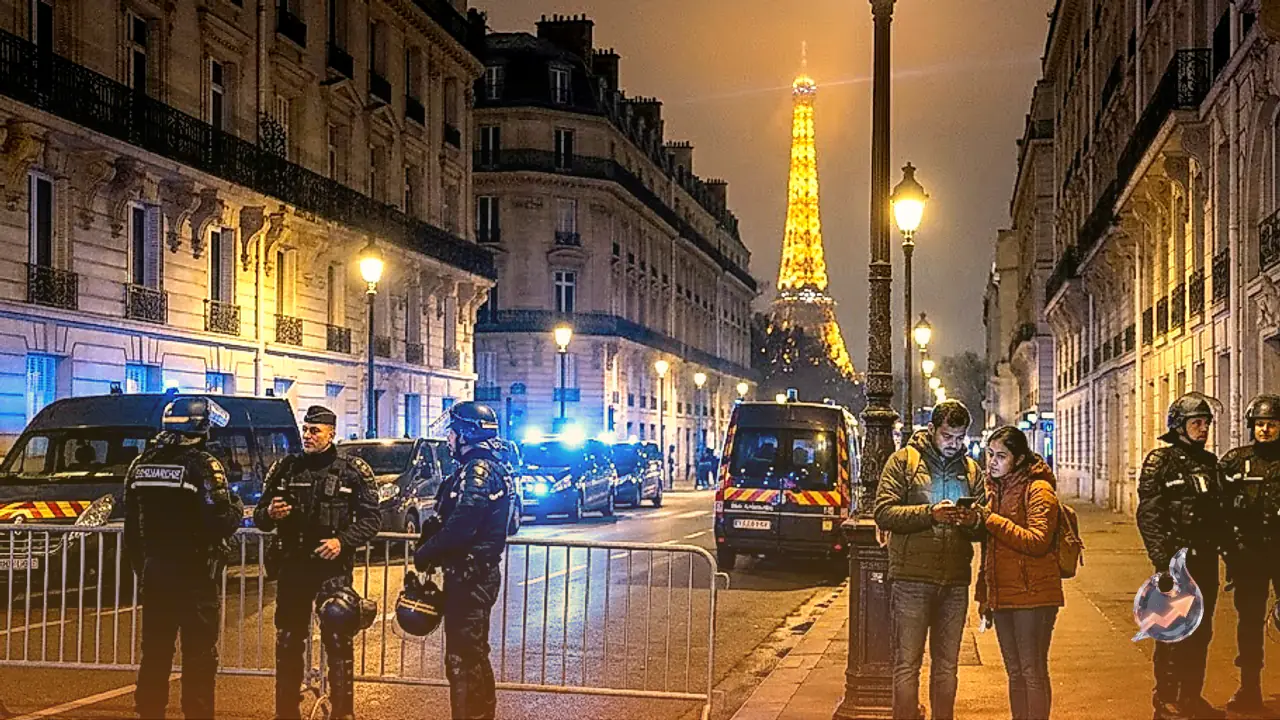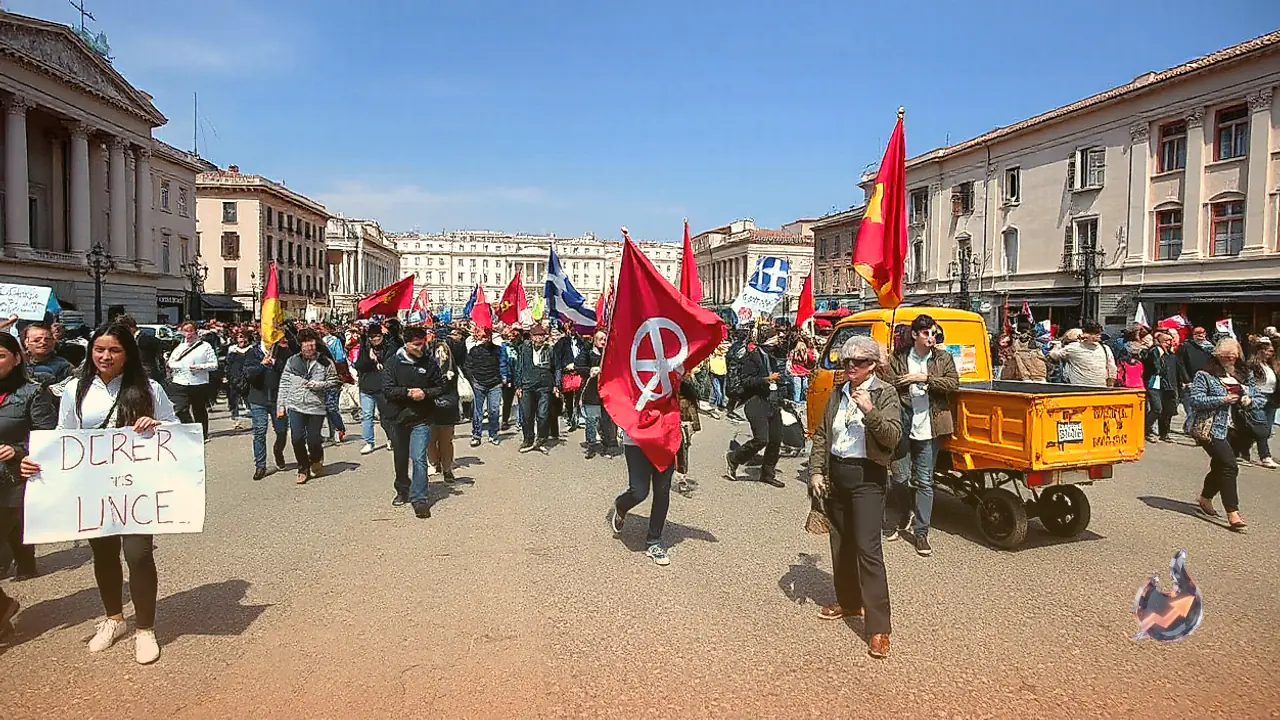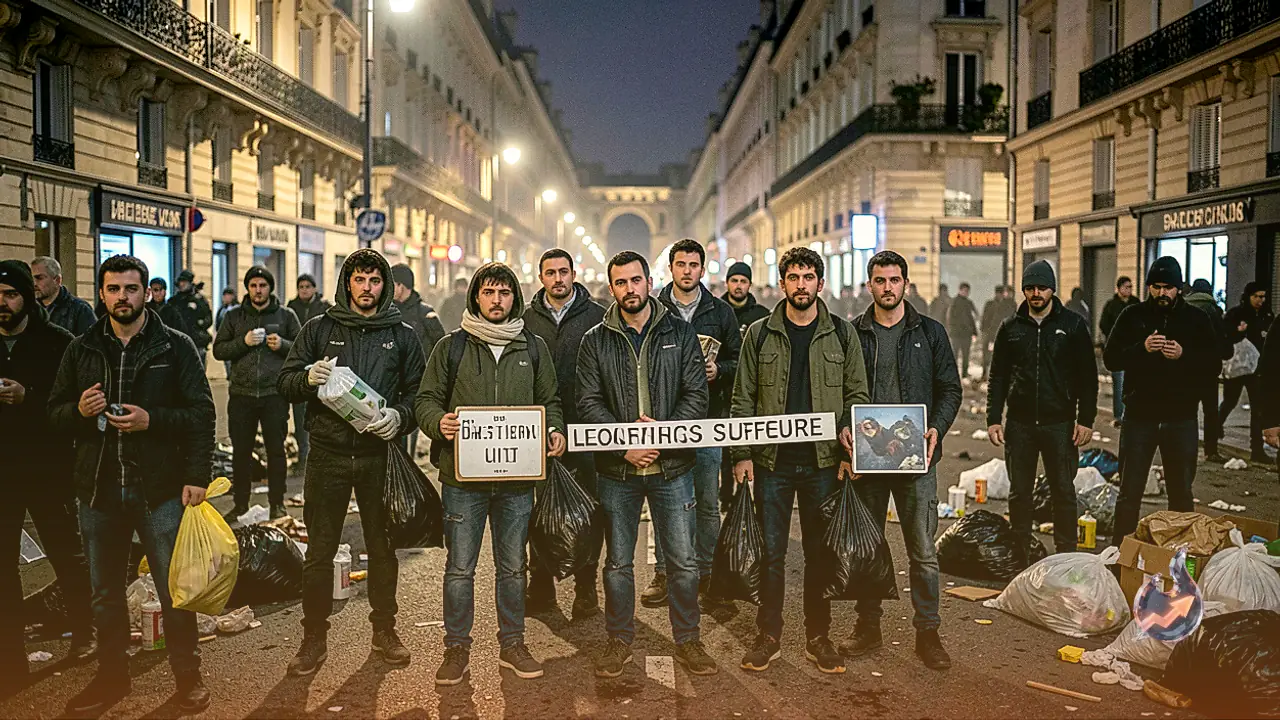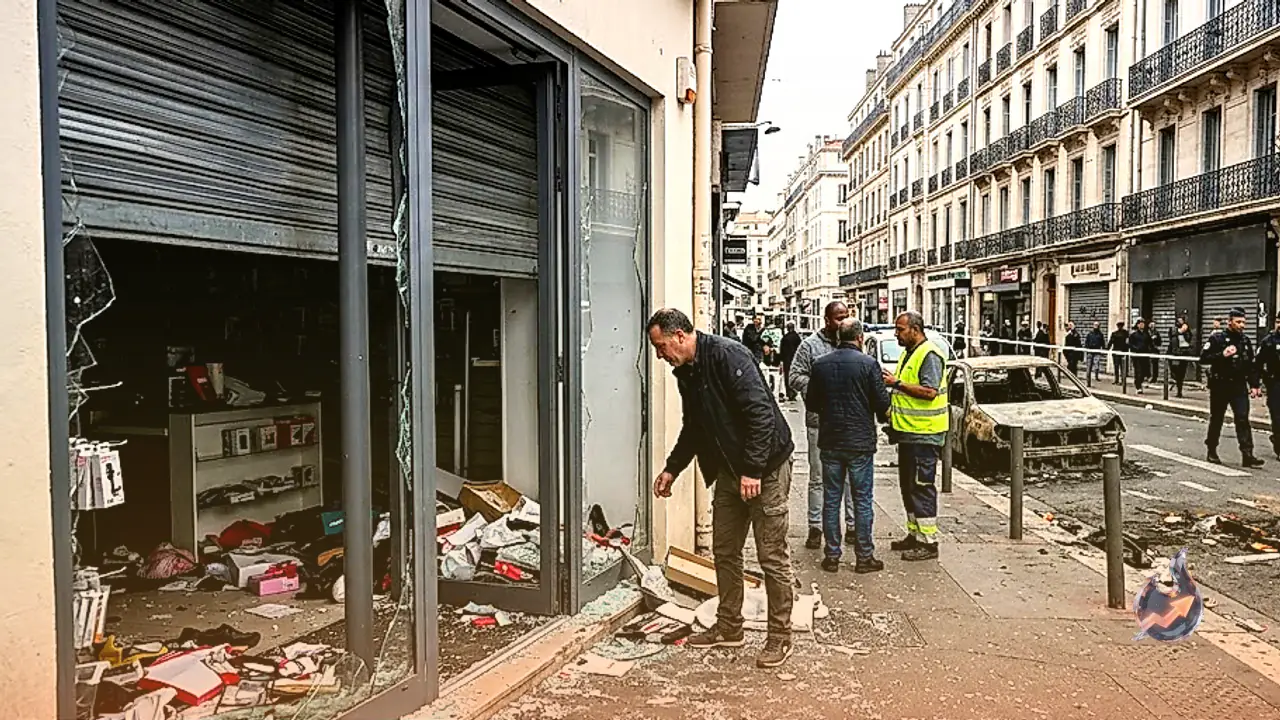














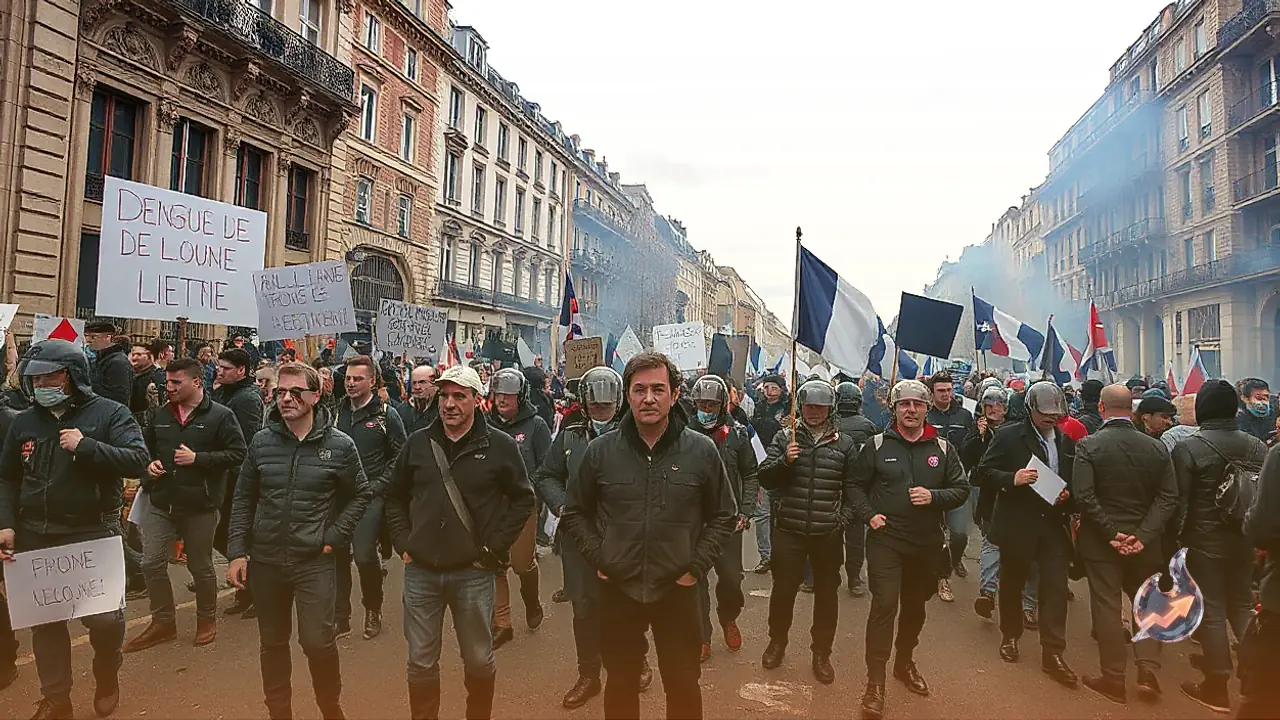

Following a wave of severe violence and arson that disrupted cities across France last weekend, the government has announced stringent measures to restore order. President Emmanuel Macron declared that only authorized and registered trade union demonstrations will be permitted in French towns and cities this Saturday, while all other unauthorized protests will face strict bans. The large demonstrations held last week against the high cost of living and poor school conditions were heavily overshadowed by rioting, looting, and widespread destruction of businesses and historic buildings, prompting authorities to overhaul their security strategy ahead of the upcoming weekend.
Macron Adopts a Hardline Stance on Public Security
Speaking after a high-level security meeting with intelligence chiefs and key ministers, President Macron launched a scathing critique of far-left factions, accusing them of orchestrating political and seditious acts aimed at bringing down the Republic. He emphasized that illegitimate protests would no longer be tolerated under any circumstances. However, to balance public safety with the right to protest, the government announced that trade union organizations would be provided with alternative, secure routes by local prefects to protect local businesses and infrastructure. Interior Minister Jean-Didier Berger confirmed that law enforcement deployment this Saturday will be 20% higher than the levels seen during the previous weekend's unrest.
Blanket Bans and Partial Curfews Across Major Cities
In response to the escalating violence, regional authorities in several major urban centers have implemented comprehensive bans on public gatherings. In Lyon, France is third-largest city, the Rhône prefecture issued a strict decree prohibiting any demonstrations this Saturday, citing the severe events of October 17. Last weekend, Lyon's tourism office, housed inside a historic 19th-century building, was deliberately set on fire by rioters, an act described by Mayor Grégory Doucet as an absolute tragedy. Similar total prohibitions have been enforced in Toulon on the southern coast, Rouen in the northwest, and Grenoble in the east. Furthermore, partial curfews restricting youth movement and evening gatherings have been enforced throughout the week in Marseille, Bordeaux, Nice, Lyon, Lille, and several northern towns.
Mass Arrests and Political Aftermath
Law enforcement agencies have intensified their crackdown, arresting at least 2,500 individuals across France since the riots initially broke out. In connection with the arson attack on the Lyon tourism office, authorities detained a 66-year-old suspect on Thursday, following the earlier arrest of a man in his thirties on suspicion of attempted murder against police officers stationed inside the city hall when the blaze began. In the capital, Paris, rioters heavily vandalized the iconic Place de la République. In the wake of these security failures, Interior Minister Laurent Nuñez tendered his resignation, but President Macron rejected it, instructing him instead to focus on making French streets safer and bringing rioters to justice. Nuñez acknowledged that security teams had severely underestimated turnout, predicting 200,000 protesters compared to the estimated 550,000 who ultimately gathered.
Political Timeline and Upcoming Presidential Elections
The intensifying social unrest unfolds as President Macron enters the final months of his presidential term, with national elections officially scheduled for April 18 and May 1 next year. While Prime Minister Sébastien Lecornu has promised a massive reinforcement of police personnel this week to manage potential flashpoints, some law enforcement personnel have expressed concerns to French media regarding their lack of specialized training for managing large-scale urban crowds. As the nation braces for another critical weekend of demonstrations, the administration faces immense pressure to maintain public safety without completely stifling legitimate democratic expression.