

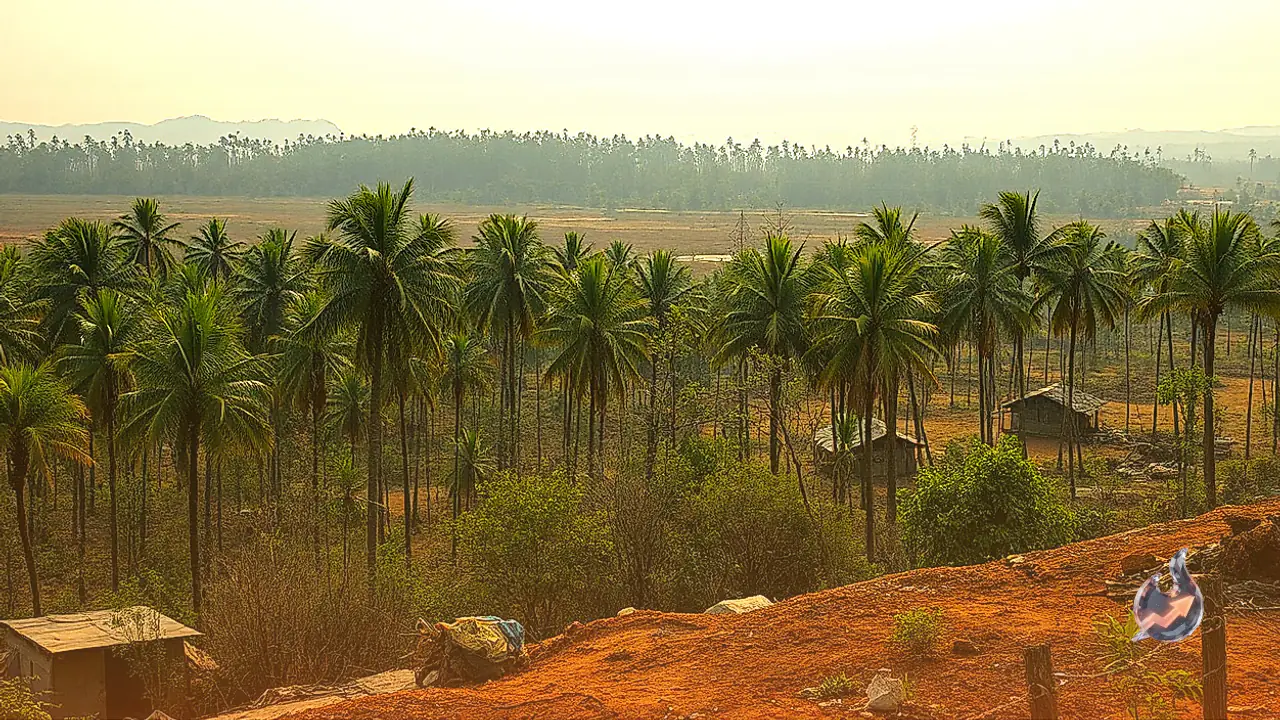



















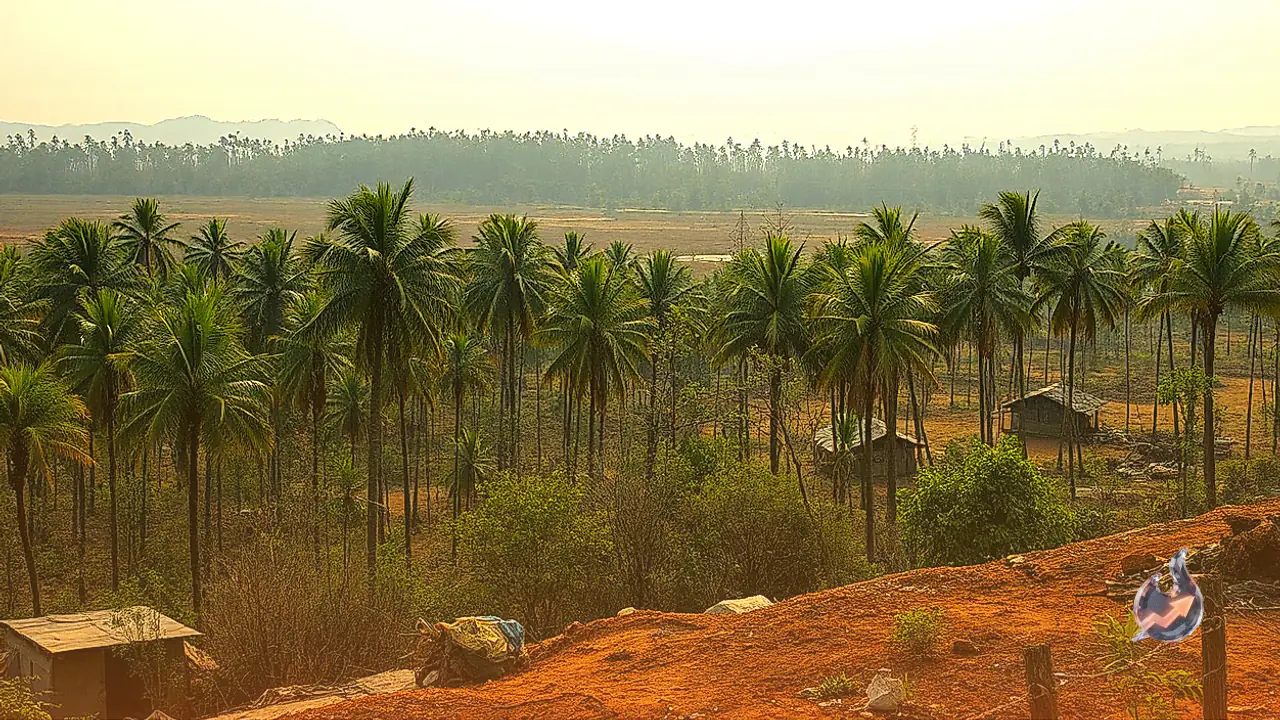

Devastating wildfires raging across the forests of Indonesia for months have unleashed hazardous smoke that has blanketed the region and sparked a major public health crisis. The environmental emergency has deteriorated to the point where more than four million individuals have contracted severe respiratory illnesses since August. According to the Ministry of Health, this caseload continues to climb steadily, presenting a massive challenge for local authorities struggling to cope with the influx of patients.
Cross-Border Spread and Danger Zones
The blaze originating in the forests of Borneo, Sumatra, and Papua has expanded far beyond national borders, reaching neighboring countries such as Malaysia, Singapore, the Philippines, and Brunei. Air quality across these impacted regions has plunged into the hazardous category, keeping residents confined indoors as thick layers of acrid smoke obscure the sky. The persistent haze has severely reduced visibility and created an atmosphere of fear among local populations who dare not venture outside.
Official figures released by the Indonesian Ministry of Health indicate that between August 18 and November 2, a total of 4,01,686 acute respiratory infection cases were documented across the seven hardest-hit provinces in Sumatra and Borneo. Medical facilities in these districts are overwhelmed, featuring long queues of patients while physicians work around the clock to provide treatment.
Impact on Young Children and Multiple Illnesses
The toxic smog has fallen heaviest upon the most vulnerable members of society, particularly young children. Among the recorded cases, more than 91,000 children are aged five years or younger, while nearly 87,000 children fall into the six to nine age bracket. Medical professionals note that because pediatric lung systems are highly delicate, polluted air damages their bodies much faster than adults.
The contamination levels have driven populations into suffering beyond mere breathing difficulties, as citizens battle five major health crises including pneumonia, diarrhea, eye infections, skin problems, and heat stroke. In the city of Palangkaraya located in Central Kalimantan, the particulate matter PM 2.5 concentration spiked to 3,340 during the month of October, towering far above normal thresholds.
According to World Health Organization guidelines, the safe 24-hour limit for PM 2.5 is pegged at 25, yet numerous Indonesian cities have seen readings skyrocket past 500. Estimates from reports indicate that during the single month of September, the toxic fumes caused approximately 3,560 premature deaths nationwide, triggering widespread panic.
This year's wildfire season has proven to be the most catastrophic in a decade across Indonesia, charring nearly 1.9 million acres of land between January and September. Experts suggest that severe budget cuts have hampered the National डिजास्टर मैनेजमेंट एजेंसी from executing adequate relief operations, ensuring that conditions remain precarious.