























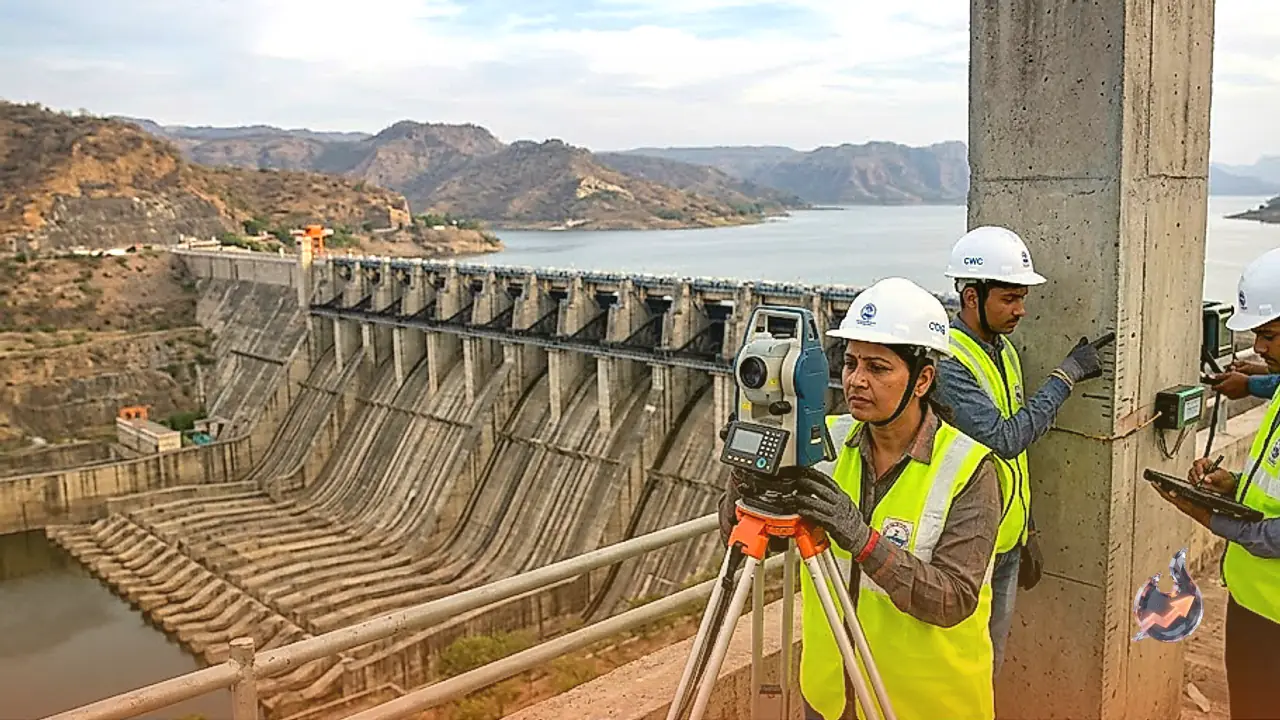

Heavy rainfall driven by Typhoon Maysak recently unleashed severe stress on water infrastructure in China. On July 6, 2026, a massive 50-meter-wide rupture emerged in the Liyulal dam located in Hengzhou, Nanning, China. This dangerous incident caused floodwaters to surge into downstream residential areas, compelling authorities to declare an emergency. To ensure public safety, between 48,000 and 62,000 residents were safely evacuated from vulnerable zones. The calamity affected millions of people either directly or indirectly. Floodwaters submerged numerous villages and towns, severely disrupting road connectivity and cutting off power supplies in multiple locations, while unconfirmed reports pointed to several casualties.
Structure and History of the Liyulal Dam
The Liyulal dam in China is well known for its massive scale. Construction on this project began in August 1958 and was successfully completed in 1960. Standing at an impressive height of approximately 111.20 meters, the structure towers nearly as high as a 50-story building. Its total water storage capacity ranges between 91 and 95 million cubic meters. The primary objectives behind building this dam were agricultural irrigation, flood control, fish farming, and generating local hydroelectric power. However, the recent structural failure has cast a shadow over its design and long-term upkeep.
Climate Change and Rising Risks to Infrastructure
Experts note that weather patterns across the globe are shifting dramatically. Extreme precipitation events driven by climate change are occurring with greater frequency. Under such challenging conditions, routine monitoring of large dams and the timely, regulated release of excess water have become far more critical than ever before. The alarming crack in the Liyulal dam has once again ignited intense debates globally regarding the safety standards and disaster management protocols associated with mega reservoirs.
India's Vast Network of Major Dams
While China leads the world in the sheer number of large dams, India holds its own ground in water infrastructure. Ever since independence, India has developed massive water projects aimed at boosting agricultural output, generating electricity, and controlling floods. The country boasts numerous monumental dams that hold international recognition for their height, length, storage capacity, and power generation capabilities, playing a vital role in national development.
Notable Mega Dams Across the Country
Among India's prominent water projects, the Tehri dam in Uttarakhand stands out as the tallest, reaching a height of roughly 260.5 meters. Built across the Bhagirathi river, it supplies drinking water, irrigation, and electricity to multiple states in northern India. Similarly, the Bhakra Nangal dam, situated along the Sutlej river on the border of Himachal Pradesh and Punjab, is a cornerstone multipurpose project standing 226 meters tall that transformed agriculture in Punjab, Haryana, and Rajasthan. The Sardar सरोवर dam in Gujarat, built on the Narmada river at a height of 163 meters, provides drinking water and irrigation to several regions across Gujarat, Madhya Pradesh, Maharashtra, and Rajasthan. Other critical projects include the Hirakud dam in Odisha, the Nagarjuna Sagar dam in Telangana and Andhra Pradesh, and the Indira Sagar dam in Madhya Pradesh.
Comparing Indian Infrastructure with Global Standards
When counting total dams, China remains far ahead globally and dominates the hydroelectric sector. Nevertheless, several Indian dams match any major international project in terms of engineering excellence, height, and multipurpose utility. The Tehri dam ranks among the highest globally, while projects like Bhakra Nangal and Sardar सरोवर have sustained billions of people for decades with water and electricity. Indian dams extend beyond power generation, anchoring agriculture, drinking water distribution, flood mitigation, and industrial growth.
Ensuring Safety and Regulation in India
Experts emphasize that major dams form the critical infrastructure of any nation. Technical failures, excessive rainfall, or natural disasters that compromise these structures can endanger millions of lives. Recognizing these stakes, the Central Water Commission and the National Dam Safety Authority in India conduct periodic inspections of large dams. The enactment of the Dam Safety Act, 2021 has further strengthened monitoring and regulatory frameworks to safeguard these vital national assets.