





















The United States Senate has overwhelmingly approved comprehensive punitive legislation aimed at curbing Russia's energy revenues by penalizing foreign nations that purchase its petroleum products. Officially titled the 'Lindsey O. Graham Sanctioning Russia and Iran Act of 2026', the bill cleared the upper chamber of the US Congress by a decisive 86 to 11 vote. Congressional lawmakers argue that continued large-scale energy purchases from Moscow directly sustain its ongoing military operations in Ukraine. To restrict this trade flow, the bill grants legal authority to impose tariffs of up to 100 percent on imported goods originating from the top five buyers of Russian crude oil and natural gas, prominently featuring India and China.
Targeted Nations and Energy Import Penalties
The punitive framework approved by the Senate explicitly identifies the five largest global purchasers of Russian petroleum and gas supplies. Beside India and China, the targeted group includes Azerbaijan, Hungary, and Slovakia. US lawmakers contend that sustained capital inflows from these key buyers provide Russia with vital financial resources to fund its war efforts. By establishing severe tariff measures against these nations' exports to the American market, the legislation seeks to force a strategic reduction in international trade with Moscow's state-owned and private energy conglomerates.
Evolution of the Tariff Proposal from 500 Percent to 100 Percent
Initial legislative drafts aimed at penalizing Russian energy buyers contained even harsher economic measures. In April of last year, Republican Senator Lindsey Graham and Democratic Senator Richard Blumenthal introduced an earlier version of the bill proposing extraordinary tariffs reaching up to 500 percent on nations buying Russian oil. Following extensive legislative review and committee adjustments, the proposed rate was scaled back to a targeted 100 percent levy applied specifically to the five largest buying nations. Under the US Constitution, authority over international commerce and tariff structure is strictly vested in the US Congress. Once both legislative chambers pass such a measure and it receives the President's signature, it establishes binding statutory power over foreign trade policy.
Procedural Requirements and Presidential Waiver Power
Despite passing the Senate with a wide margin, the bill does not instantly trigger tariffs against India or any other specified nation. To become law, the legislation must next be considered and passed by the US House of Representatives, which resumes its legislative session on August 31. Following passage in the House, the document will go to President Donald Trump to be signed into law. Crucially, even after statutory enactment, the 100 percent tariffs will not take effect automatically. The bill delegates full executive discretion to the President, authorizing him to grant national security waivers or modify tariff rates based on diplomatic priorities, bilateral strategic agreements, and national interest evaluations involving partner countries such as India.
Iran Sanctions Act Extension and Financial Targeting of Russian Leadership
In addition to measures addressing Russian energy sales, the bipartisan bill incorporates significant extensions to existing Middle Eastern sanctions frameworks. It officially extends the enforcement authority of the 1996 Iran Sanctions Act through the year 2031. This extension preserves legal penalties against global corporations that invest in Iran's domestic energy development. Furthermore, the legislation establishes explicit financial sanctions directed at Russian President Vladimir Putin, senior Kremlin officials, prominent business figures, and major financial institutions operating within the Russian economy.
Congressional Reactions and Bipartisan Debates
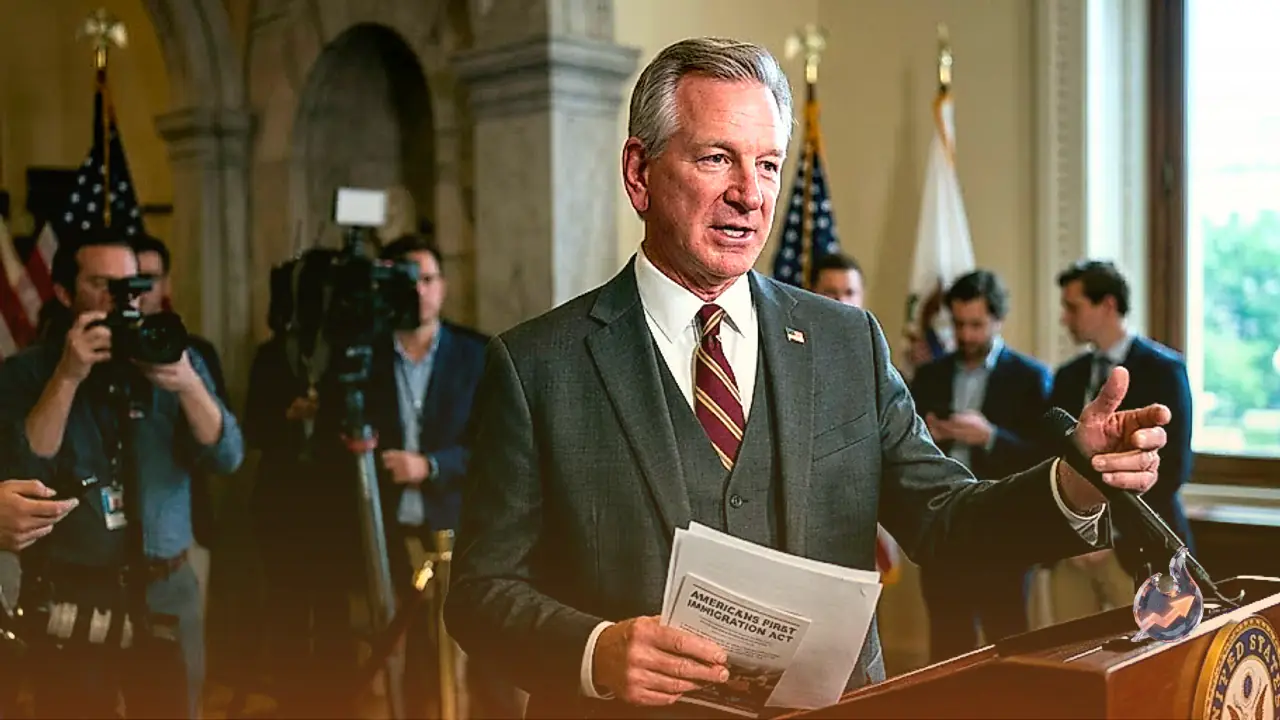
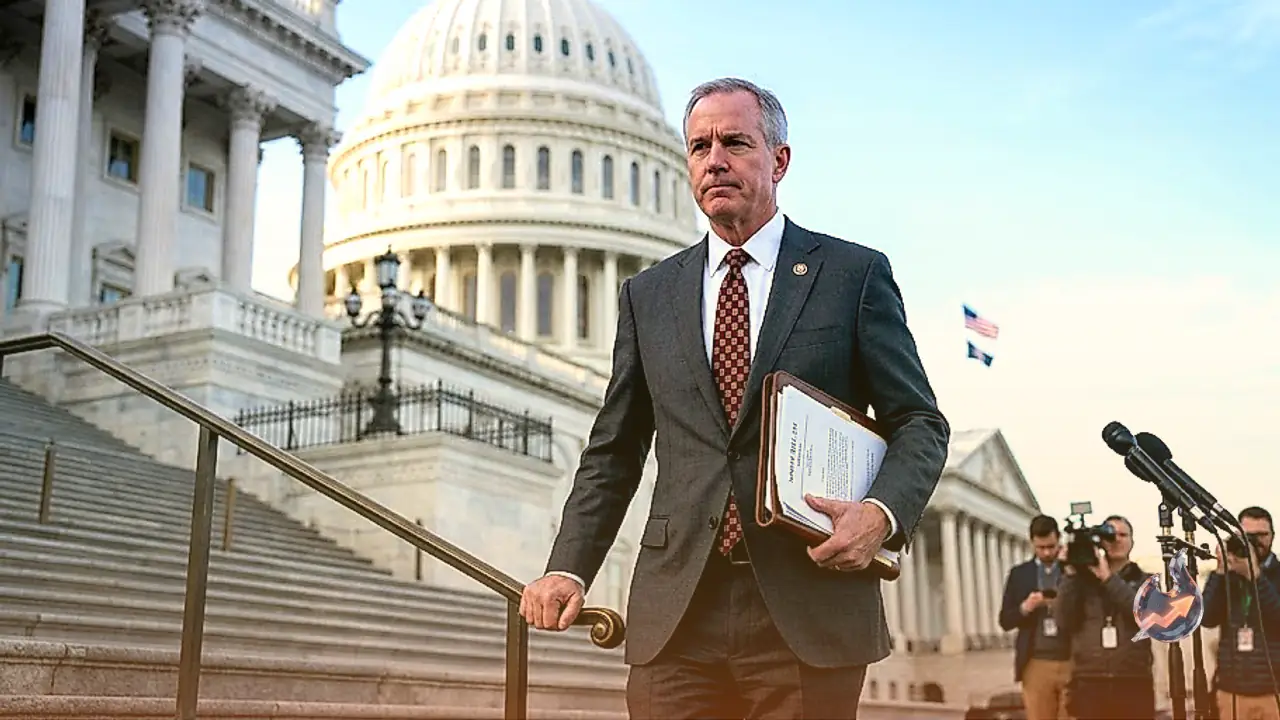
The co-author of the bipartisan proposal, Republican Senator Lindsey Graham, passed away on July 11 prior to the final floor vote. Speaking to reporters following the successful passage, Democratic Senator Richard Blumenthal paid tribute to his late colleague. Blumenthal said, "Graham would have been proud of what we accomplished." He maintained that the combination of severe economic sanctions and high tariffs would effectively restrict entities supporting military operations against Ukraine. However, several Democratic lawmakers, including Representatives Gregory Meeks and Don Beyer, raised strong concerns regarding the bill. They warned that granting expanded executive tariff authority provides additional leverage to Donald Trump at a time when unilateral tariffs already constitute the core foundation of his international trade agenda.