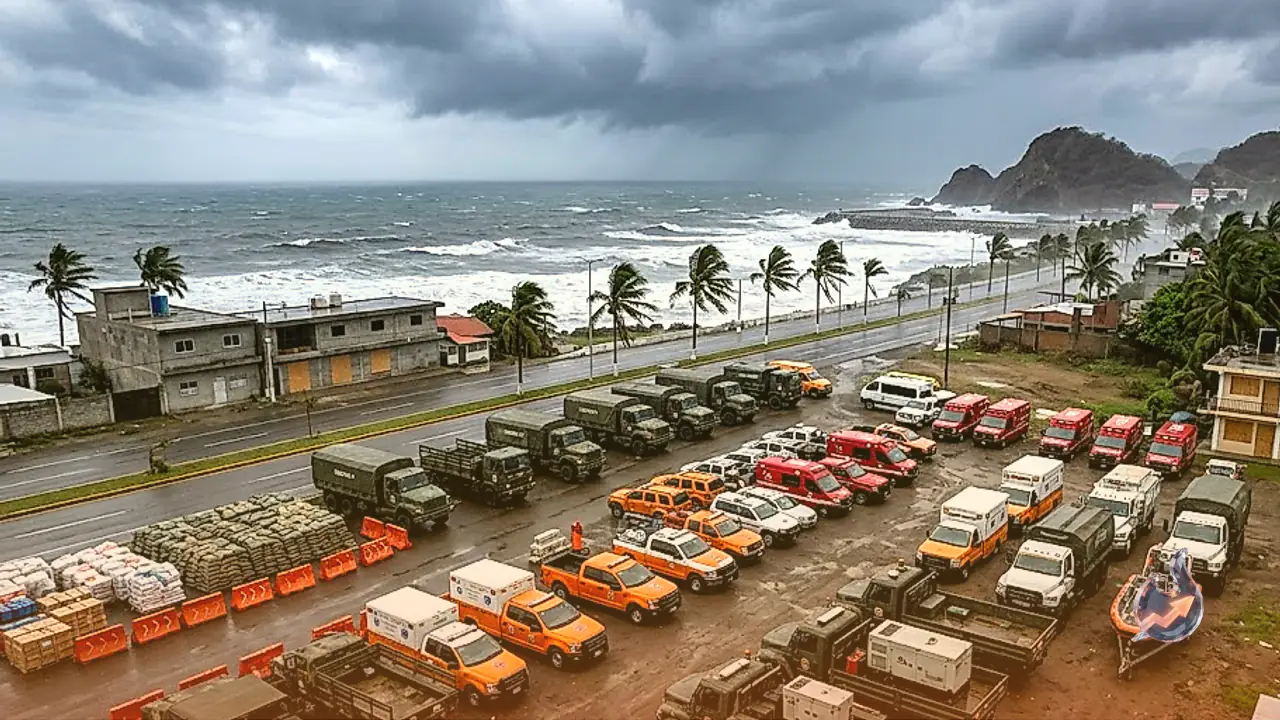

























Super Typhoon Dolphin has emerged as a formidable tropical storm in the Western Pacific Ocean, threatening vast swathes of East Asia with destructive winds, torrents of rain, and dangerous storm surges. After battering Japan's southern island territories, the atmospheric system is heading toward coastal Mainland China. Emergency personnel and meteorological agencies across Japan, China, and Taiwan remain on elevated status as the storm forces widespread logistical halts. Authorities have evacuated roughly 300,000 residents from vulnerable coastal zones, while airlines and maritime operators have grounded hundreds of flights and suspended crucial ferry linkages across the region.
Impact on Okinawa: Power Grid Failures and Injuries
Japan's southern prefecture of Okinawa bore the initial brunt of Typhoon Dolphin as sustained winds reached speeds of 162 kilometers per hour, accompanied by extreme gusts hitting up to 216 kilometers per hour. The intense forces severely disrupted local infrastructure, leaving approximately 14,000 buildings without electric power. Emergency service reports confirm that five elderly individuals sustained injuries due to the storm conditions. Among them, three individuals were knocked down by sudden high velocity wind gusts while outdoors. Medical officials confirmed that none of the injuries were life threatening, though emergency utility crews continue to face severe obstacles while attempting to restore power lines amid ongoing turbulent weather.
China Prepares Emergency Response in Zhejiang and Fujian
As Typhoon Dolphin moves away from Japan, its trajectory points directly toward the eastern coast of China, with projections indicating landfall between Zhejiang and Fujian provinces. In response, Chinese disaster mitigation agencies have escalated emergency preparedness protocols to maximum alert levels across Zhejiang. Local governments have proactively relocated approximately 300,000 residents from low lying areas, exposed coastal fishing villages, and flood prone zones into temporary shelters. Furthermore, authorities have ordered a complete halt to commercial port operations along the Zhejiang coast, effectively pausing cargo handling and maritime trade activities to prevent loss of life and maritime accidents.
Widespread Transport Disruption and Educational Closures
The severe weather conditions have caused massive disruption across East Asian aviation and transit infrastructure. In Shanghai, China's financial hub, airlines were forced to cancel between 1,300 and 1,600 flights as a safety precaution. Flight operations at Ningbo Lishe International Airport were similarly suspended, while international air transit was impacted in Taiwan, where 63 international flights were called off. Maritime transit has also been crippled, with Zhejiang province suspending 162 passenger ferry routes to keep civilian traffic off the open sea. In the city of Ningbo, educational authorities suspended all classes in schools and prohibited all water based sports, recreational boating, and coastal public activities.
Heavy Rainfall Warnings and Political Friction in the Taiwan Strait
Meteorologists warn that eastern areas of Zhejiang province could receive over 600 millimeters of rainfall within a short window as Typhoon Dolphin moves inland. Torrential downpours of this magnitude carry extreme risks of flash flooding, severe urban inundation, and landslides in hilly terrain. Beyond the physical hazards, the typhoon has triggered geopolitical friction in the region. Chinese maritime traffic management authorities issued strict navigation directives requiring all vessels traveling through the Taiwan Strait to adhere to Chinese traffic control orders. Taiwanese authorities publicly criticized these instructions, creating additional diplomatic tension alongside the ongoing natural crisis.
Indirect Implications for the Indian Monsoon System
While Typhoon Dolphin poses no direct physical threat to the Indian subcontinent, atmospheric scientists note that its immense strength will indirectly impact India's monsoon patterns. Powerful typhoons in the Western Pacific pull vast quantities of heat and atmospheric moisture into their core. This atmospheric pull temporarily diverts moisture away from weather systems that typically gather over the Bay of Bengal and deliver rain to the Indian mainland. Consequently, parts of Central and Northern India may experience a temporary dry spell with weakened rainfall activity over several days. Weather experts emphasize that this does not signify the termination of the monsoon season, as rainfall activity is expected to resume normal intensity once Typhoon Dolphin weakens and dissipates.