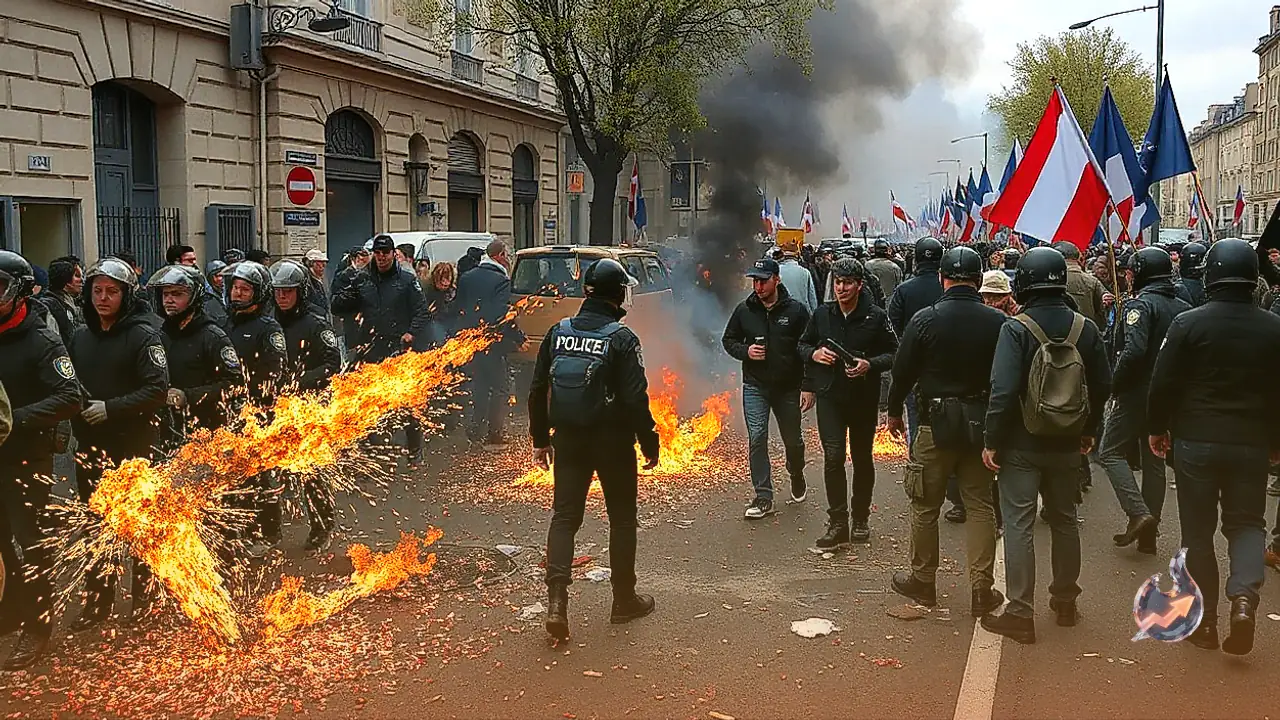

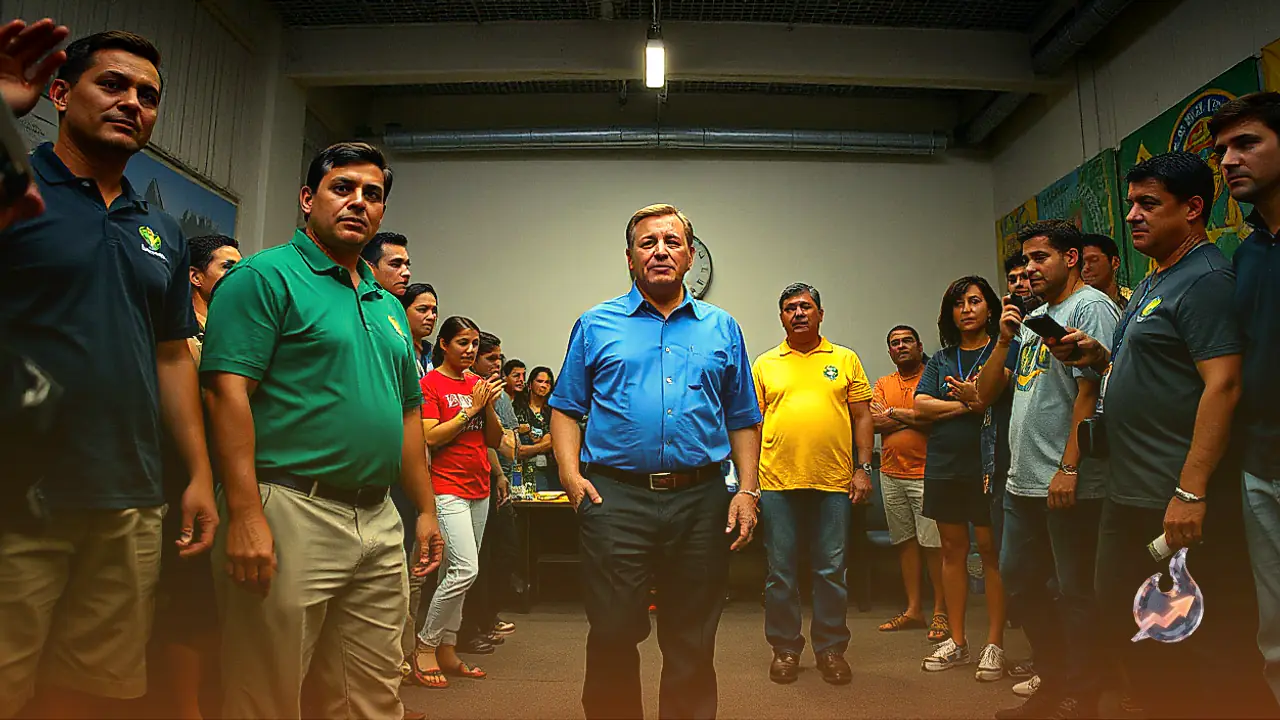
















Leftist political heavyweight Lula da Silva has secured a dramatic triumph in Brazil's presidential election, earning a historic fourth term to lead the nation at 80 years of age. In an intensely competitive contest that went down to the wire, he overcame challenger Flavio Bolsonaro. Official vote tallies covering 99.97 percent of the counted valid ballots showed Lula securing 51.76 percent of the vote, while Flavio Bolsonaro garnered 48.24 percent.
A Milestone in Brazilian Democratic History
A former factory worker who helped establish the Workers' Party, Lula will become the second longest-serving leader in Brazil's presidency following this electoral victory, trailing only Getulio Vargas. Completing this current tenure will take his total time in office to 16 years, establishing an absolute milestone in the democratic history of Brazil. Lula previously led the South American nation as president between 2003 and 2010.
Historic Comeback After Trailing in the First Round
This electoral achievement unfolded amid intense national debates dominated by persistent inflation, surging living expenses, street crime, and governance ethics. Ever since direct presidential voting was reinstated in 1989, this marks the very first occasion where a contender who finished second during the opening round managed to overturn the deficit and win the presidency in the run-off.
Campaign Flashpoints and Conflicting Visions
Lula encountered a rigorous challenge on the campaign trail as voter unease grew over economic pressures and public safety. Flavio Bolsonaro campaigned heavily on promises of zero tolerance toward criminal networks and lowering the retail cost of groceries. In response, Lula anchored his platform on defending national sovereignty and pursuing an autonomous foreign policy. Mutual allegations of corruption marked the campaign on both sides, entangling family members and close political associates. Lula himself previously spent more than a year incarcerated on corruption allegations, charges that were subsequently nullified.
Extended Balloting and Broader Global Implications
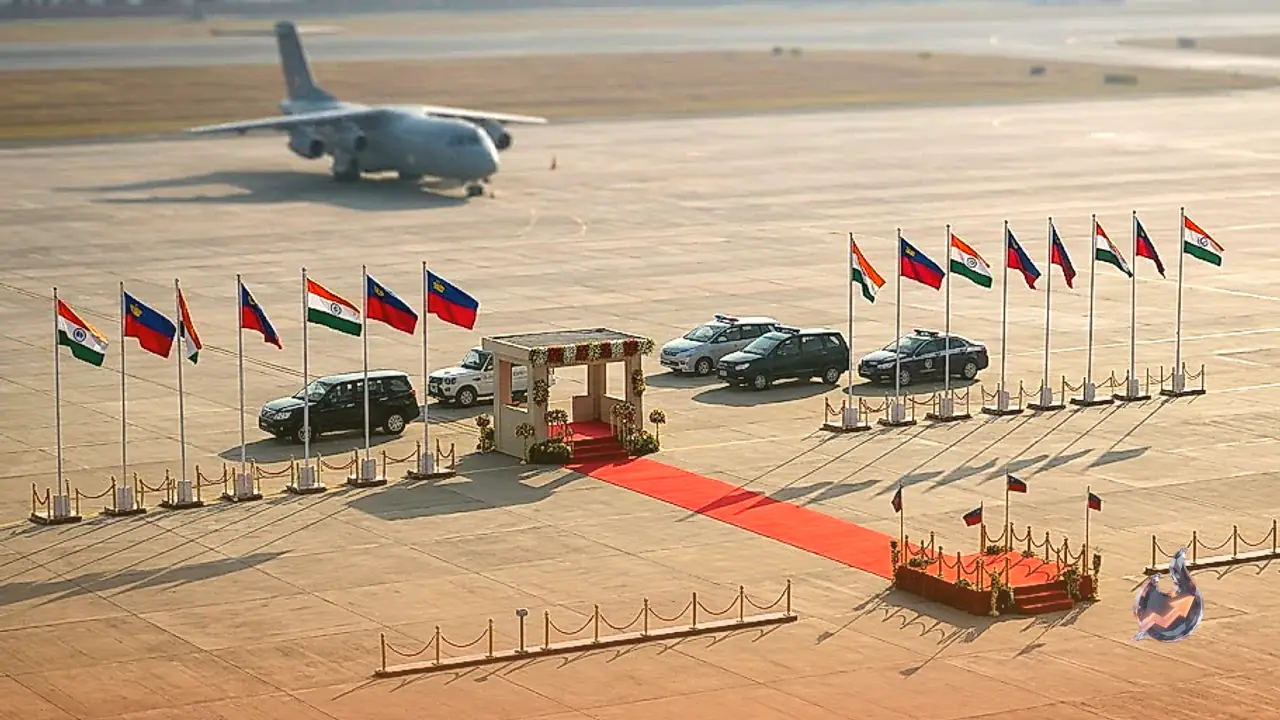
The decisive run-off on Sunday culminated after an eventful and tense voting day. Following eleventh-hour appeals submitted by both campaign camps to electoral regulators, voting hours were officially extended by two hours. The ramifications of Lula's reelection will ripple far beyond the borders of Latin America's largest country. Under his guidance, the nation is positioned to pursue an independent foreign policy stance. Lula consistently champions national autonomy while seeking stronger diplomatic and commercial integration with the Global South and China. Demonstrating these global engagements, he traveled to Delhi in February to participate in an AI summit, where Minister of State for External Affairs Pabitra Margherita received him at the airport.
From Union Activist to a Four-Time Head of State
Lula's path to the highest office traces back to his emergence as a labor union leader in the 1970s. He later helped build the Workers' Party into a formidable political vehicle. After running unsuccessfully as the party's presidential nominee on three occasions, he broke through to win the presidency in 2002. Voters reelected him four years later, and in 2010, his cabinet minister Dilma Rousseff succeeded him in office, eventually earning her own reelection in 2014.