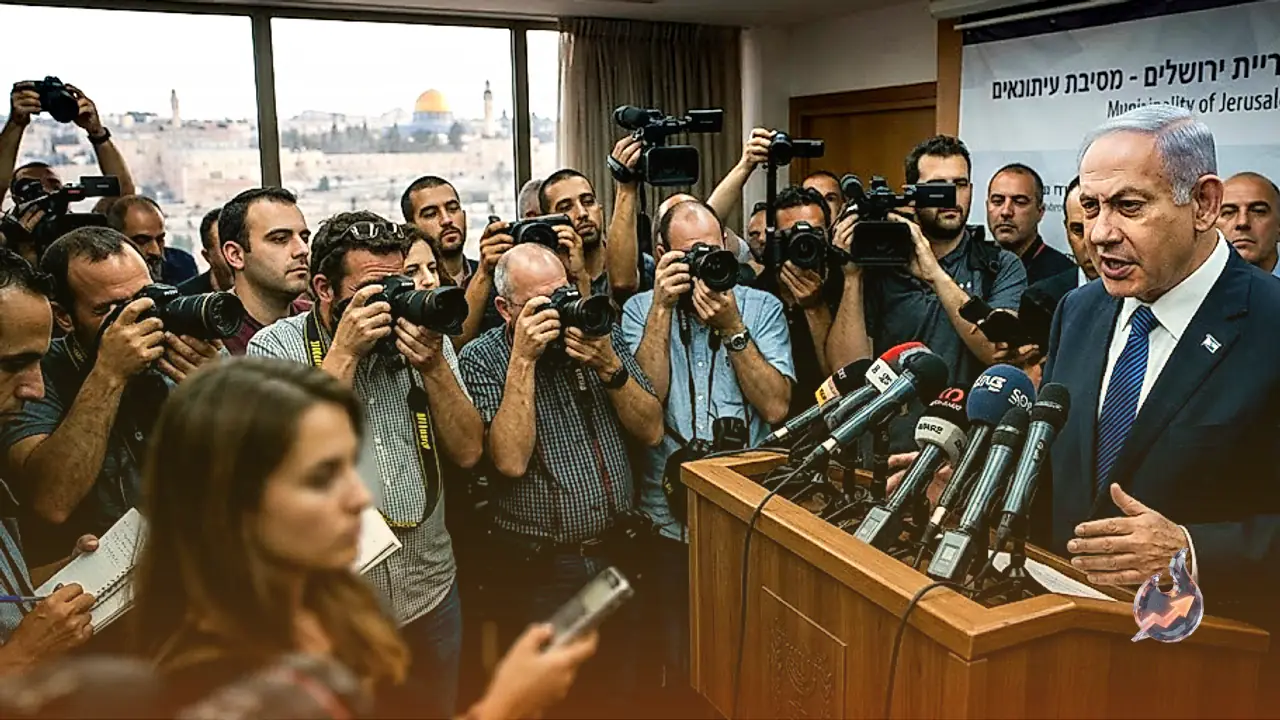























The counting of votes following Israel's recent parliamentary elections reveals a fiercely contested political landscape. Partial data released by the Central Elections Committee indicates a tight race between the political bloc led by Prime Minister Benjamin Netanyahu and the opposition faction headed by Gadi Eisenkot. Netanyahu's group holds 53 seats in these early figures, while Eisenkot's alliance stands at 48 seats. Securing an administration in the country requires reaching the crucial 61-seat threshold, a mark neither major faction has managed to attain independently.
The Growing Influence of Arab Parties
A notable development in this electoral cycle is the strong performance of Arab political factions, which are projected to secure approximately 19 seats through groups like the Joint List and Ra'am. This robust tally has positioned them as potential kingmakers in the upcoming legislative negotiations. Balad leader Sami Abu Shahadeh emphasized that they represent a legitimate, elected leadership for the national minority community, while criticizing the reluctance of mainstream political blocs to cooperate with Arab representatives. Palestinian citizens, comprising roughly one-fifth of the total population, turned out in significant numbers to cast their ballots.
Foreign Interference Allegations and Campaign Disputes
Controversy has also emerged surrounding external influences on the vote. Yair Netanyahu, son of the Prime Minister, alleged that nations including Qatar, Turkey, and other Arab countries funneled millions of dollars into the Israeli election cycle to boost turnout among Arab voters and block his father from leading the government. In a post on the social media platform X written in Hebrew, he described this alleged foreign intervention as one of the most severe occurrences in the history of the state. Meanwhile, the Likud party has submitted hundreds of documented claims regarding polling station irregularities to the police, Shin Bet, and the Central Elections Committee.
International Reactions and US Involvement
United States President Donald Trump commented on the electoral outcome, suggesting that his backing significantly aided Netanyahu's performance during the race. During a conversation, Trump indicated he would consider getting involved in efforts to establish a unity government should the opportunity arise. With roughly 90 percent of ballots processed, a definitive winner remains elusive as the nation awaits the final tally.
High Turnout and Special Ballots
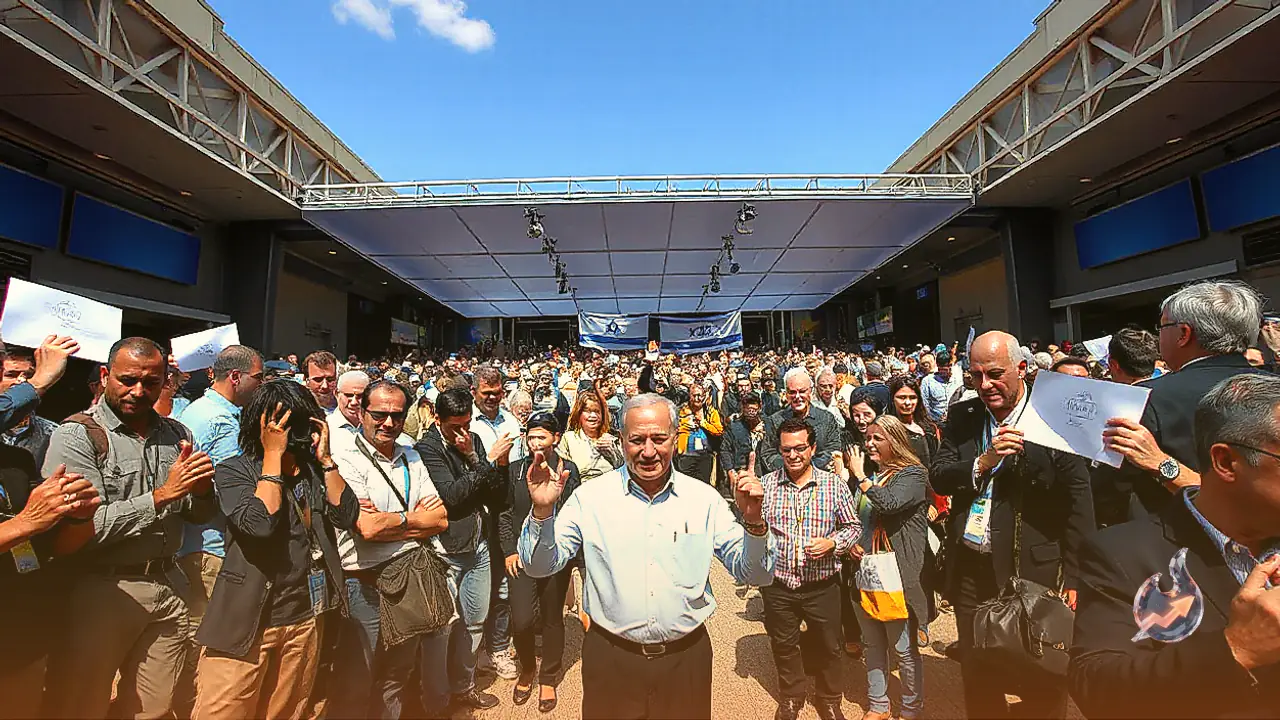
Voter participation reached approximately 77.7 percent among the 7,331,981 eligible citizens, marking an increase compared to the previous elections held in 2022. This represents the first general election conducted since the Hamas attacks in 2023. Unlike regional constituency systems, Israeli voters select party lists, with the 120 parliamentary seats distributed proportionally based on overall vote shares. Over 500,000 special double-envelope ballots, cast by soldiers, prisoners, medical personnel, and diplomats abroad, are currently undergoing verification and counting, a process that could alter the final seat distribution.