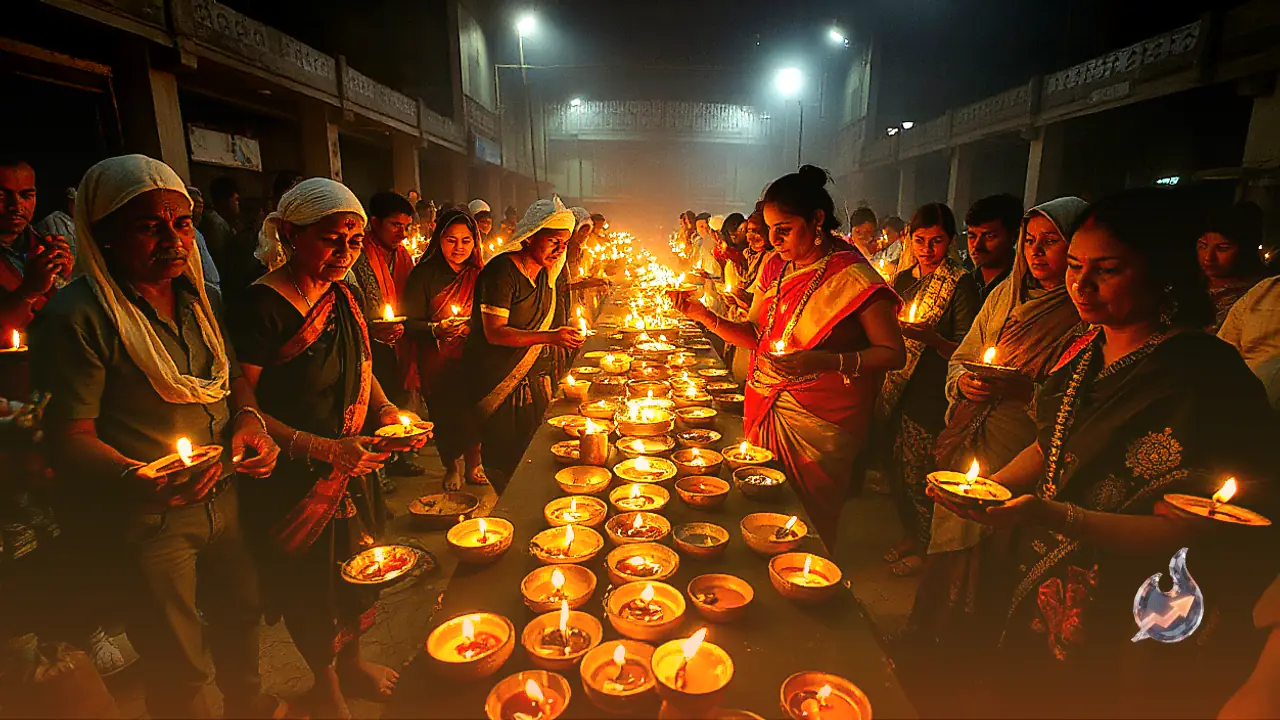
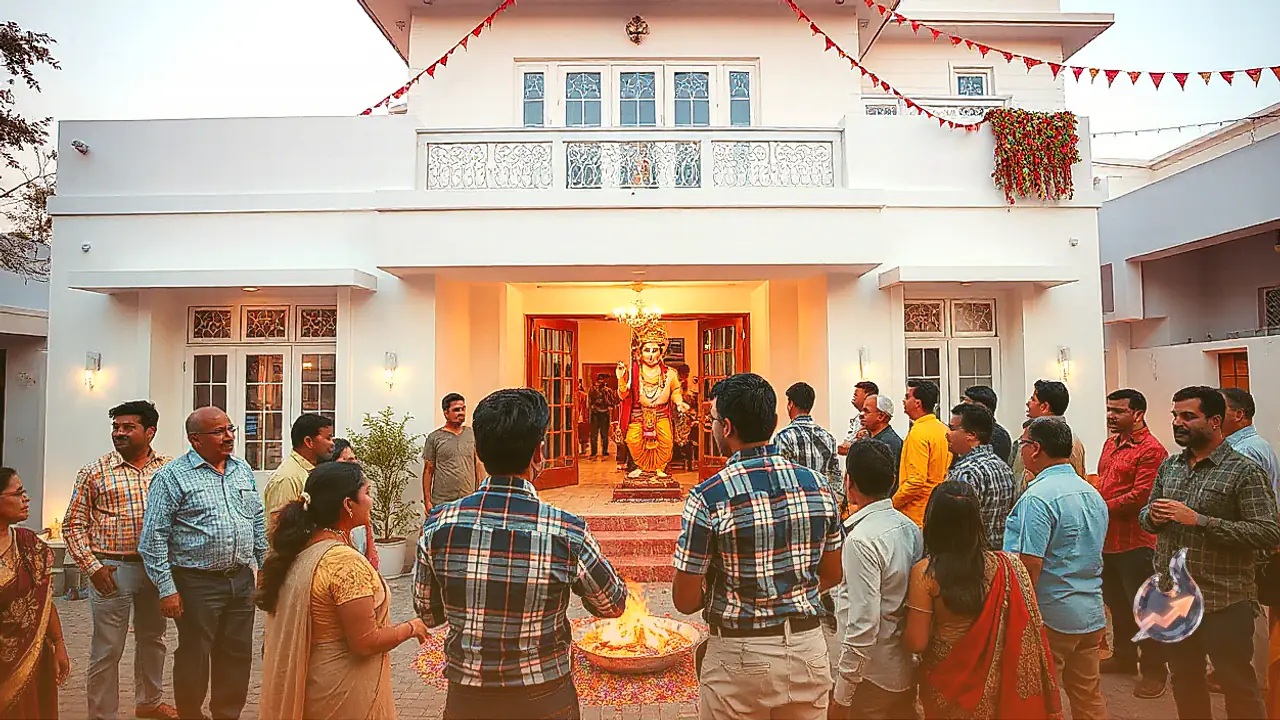




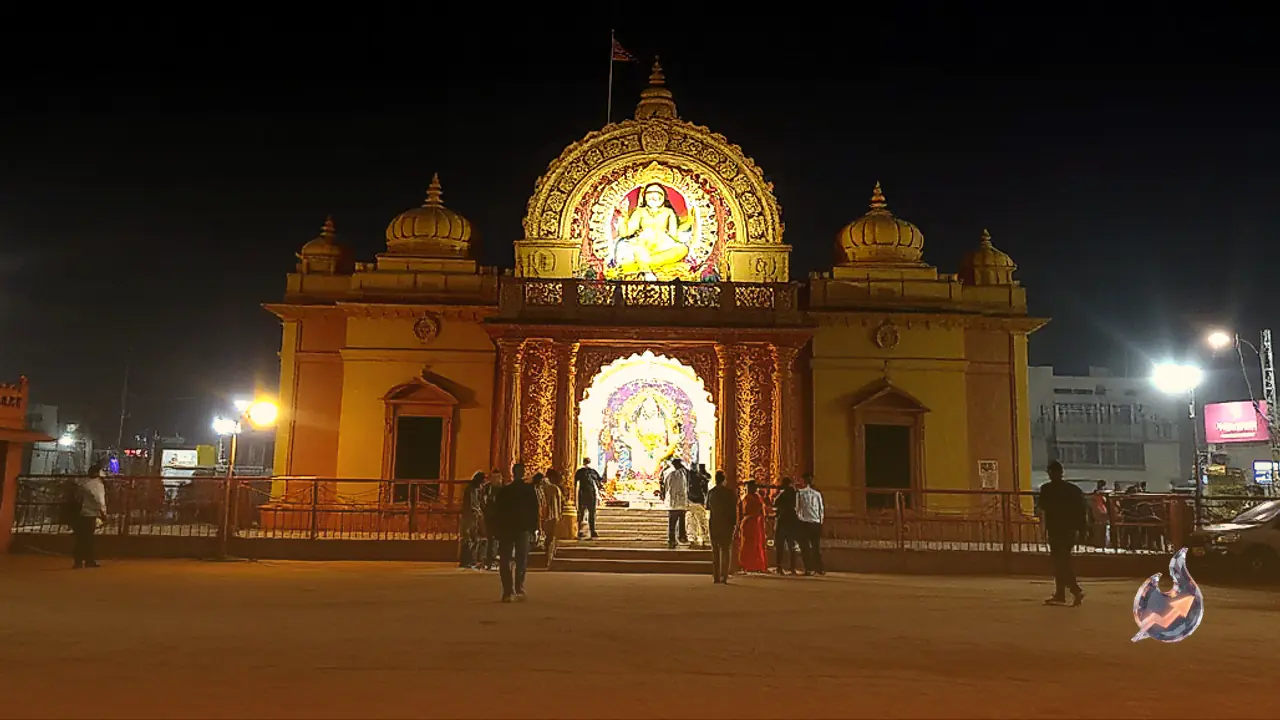

















The festival of Diwali holds immense significance in Hindu culture, where people predominantly worship Goddess Lakshmi, the deity of wealth, and Lord Ganesh, the remover of obstacles. According to ancient traditions, Goddess Lakshmi visits the mortal realm on the night of Kartik Amavasya to bless her devotees. To please the deity and seek her divine grace, followers perform elaborate rituals and prayers throughout the evening. Chanting the 108 sacred names of Goddess Lakshmi alongside traditional mantras is believed to be exceptionally auspicious during this period. Such devotion is thought to invite lifelong prosperity, mental peace, and boundless happiness into the household. For the convenience of devotees, a downloadable PDF containing all 108 names of Goddess Lakshmi has also been made accessible for easy reference.
The 108 Sacred Names of Goddess Lakshmi and Their Meanings
The comprehensive compilation of Goddess Lakshmi's 108 names reflects her diverse attributes and divine manifestations. Reciting these sacred names bestows both spiritual elevation and material abundance upon the sincere practitioner. The list begins with 'Prakriti', signifying the one who is nature personified, followed by 'Vikriti', representing the various forms and names by which she is known, and 'Vidya', denoting her presence within all forms of knowledge. Further names include 'Sarvabhutahitaprada', the provider of universal happiness, and 'Shraddha', indicating that she can be attained solely through pure faith.
This revered nomenclature encompasses 'Vibhuti', who grants wealth and opulence to her followers, 'Surbhi', the supreme deity worshipped even by the holy trinity, and 'Paramatmika', the revered mother of all three worlds. Additional attributes include 'Vak', whose speech resembles nectar, 'Padmalaya', seated gracefully upon a lotus flower, 'Padma', possessing a lotus-like complexion, and 'Shuchi', the embodiment of absolute purity.
Continuing through the sacred list, names such as 'Svaha' representing sacrificial offerings, 'Svadha' embodying ancestral oblations, 'Sudha' standing for eternal nectar, and 'Dhanya' portraying the essence of gratitude, highlight her divine nature. Her radiant golden aura is captured in 'Hiranmayi', while 'Lakshmi' signifies the bestower of fortune and wealth. Other notable titles include 'Nityapushta', who perpetually flourishes with strength, and 'Vibhavari', known for her surpassing beauty and infinite radiance.
The compilation further features 'Aditi', whose brilliance matches the sun, 'Diti', who answers the fervent prayers of her devotees, 'Deepa', radiating the brilliance of a thousand suns, and 'Vasudha', who nurtures humanity in the form of the earth goddess. 'Vasudharini' bears the entire weight of the planet, while 'Kamala' emerged from the lotus flower. 'Kanta' serves as the devoted consort of Lord Vishnu, and 'Kamakshi' possesses intensely charming and divine eyes. 'Kshirodhasambhava' resides alongside Lord Vishnu within the cosmic ocean, and 'Anugraprada' showers diverse forms of joy.
Essential qualities such as supreme intellect are captured by 'Buddhi', sinlessness by 'Anagha', and her eternal bond with Lord Vishnu by 'Harivallabha'. 'Ashoka' eliminates all sorrows, 'Amrita' represents the primal essence of immortality that emerged during the churning of the cosmic ocean, and 'Deepta' remains perpetually luminous. The healer of universal suffering is titled 'Lokashokavinashini'. Further titles include 'Dharmanilaya' as the upholder of righteousness, 'Karuna' as the ocean of compassion, and 'Lokamata' as the mother of the entire universe.
A series of lotus-themed epithets enrich the list, featuring 'Padmapriya', 'Padmahasta', 'Padmakshi', 'Padmasundari', 'Padmodbhava', 'Padmamukhi', and 'Padmanabhapriya'. She who keeps Lord Vishnu perpetually content is 'Rama', and 'Padmamaladhara' adorns a garland made of lotus blossoms. 'Devi' represents supreme power, 'Padini' emerged from the lotus within the cosmic sea, and both 'Padmagandhini' and 'Punyagandha' exude divine fragrances.
Ever-pleased by devotion, 'Suprasanna' and 'Prasadabhimukhi' stand ever-ready to grant boons to worshippers. Her brilliance surpasses thousands of shining suns, described through names like 'Prabha', 'Chandravadana', 'Chandra', 'Chandrashodari', 'Chaturbhuja', and 'Chandrarupa'. 'Indira' shines like the sun within the ocean of milk, 'Indusheetala' possesses a soothing and calm temperament, and 'Ahladajanani' fills the entire creation with joy.
Health and physical vitality are granted by 'Pushti'. Furthermore, titles like 'Shiva', 'Shivakari', 'Satya', 'Vimala', and 'Vishvajanani' govern the cosmic order. The ruler of the nine forms of contentment outlined in Samkhya philosophy is 'Tushti', while 'Daridryanashini' eradicates poverty entirely. 'Pritipushkarini', 'Shanta', 'Shuklamalyambara' draped in white garments and floral garlands, and 'Shri' bestow good fortune. 'Bhaskari' illuminates all three realms, and 'Bilvanilaya' dwells sacredly within the bael tree.
Always prepared to fulfill desired wishes, 'Vararoha', universally respected 'Yashasvini', daughter of the earth 'Vasundhara', gracefully formed 'Udaranga', gentle like a deer 'Harini', and adorned with gold necklaces 'Hemamalini' are revered aspects of the goddess. 'Dhanadhanyakari' provides abundant grains and wealth, 'Siddhi' grants diverse mystical accomplishments, 'Strainsoumya' possesses a soft demeanor, and 'Shubhaprada' delivers auspicious outcomes.
The goddess who delights in residing within royal palaces is addressed as 'Nripaveshmagatananda'. Additional glorious titles include 'Varalakshmi', 'Vasuprada', 'Shubha', 'Hiranyaprakara', and 'Samudratanaya' as the beloved daughter of the ocean. The sovereign of victory is 'Jaya', the supreme auspiciousness is 'Mangaladevi', her eternal abode upon the chest of Lord Vishnu is acknowledged as 'Vishnuvakshasthalasthita', alongside 'Vishnupatni', the delightfully gazing 'Prasannakshi', and 'Narayanasamashrita', who takes refuge in Lord Narayan.
Finally, the names conclude with 'Daridryadhvamsini' who destroys misery, 'Devi' the almighty, 'Sarvopadravavarini' who pacifies all disturbances, 'Navadurga' residing across her nine primary forms, 'Mahakali' representing the fierce primordial energy, 'Brahmavishnushivatmika' cherished by the holy trinity, 'Trikalajnasampanna' possessing knowledge of past, present, and future, and 'Bhuvaneshvari' ruling over all fourteen realms of existence.