























The long-standing military partnership between Washington and Seoul is entering an uncertain phase following recent statements made by US President Donald Trump regarding joint defense operations. In a move that signals a potential recalibration of American security strategy in East Asia, Donald Trump indicated that future joint military drills with South Korea will be significantly scaled down. He cited the immense financial expenses borne by Washington for these maneuvers, alongside his close rapport with North Korean Supreme Leader Kim Jong Un, as primary factors driving this strategic shift.
Financial Demands and Strategic Relations with Pyongyang
In a detailed message shared on Truth Social on Sunday, Donald Trump outlined his rationale for curtailing joint military exercises on the Korean Peninsula. According to his post, these combined maneuvers incur massive costs for which the United States bears a disproportionately heavy burden. Furthermore, he emphasized that conducting such high-visibility drills sends signals to Pyongyang that North Korean leadership perceives as inappropriate and hostile, potentially hampering efforts toward diplomatic engagement.
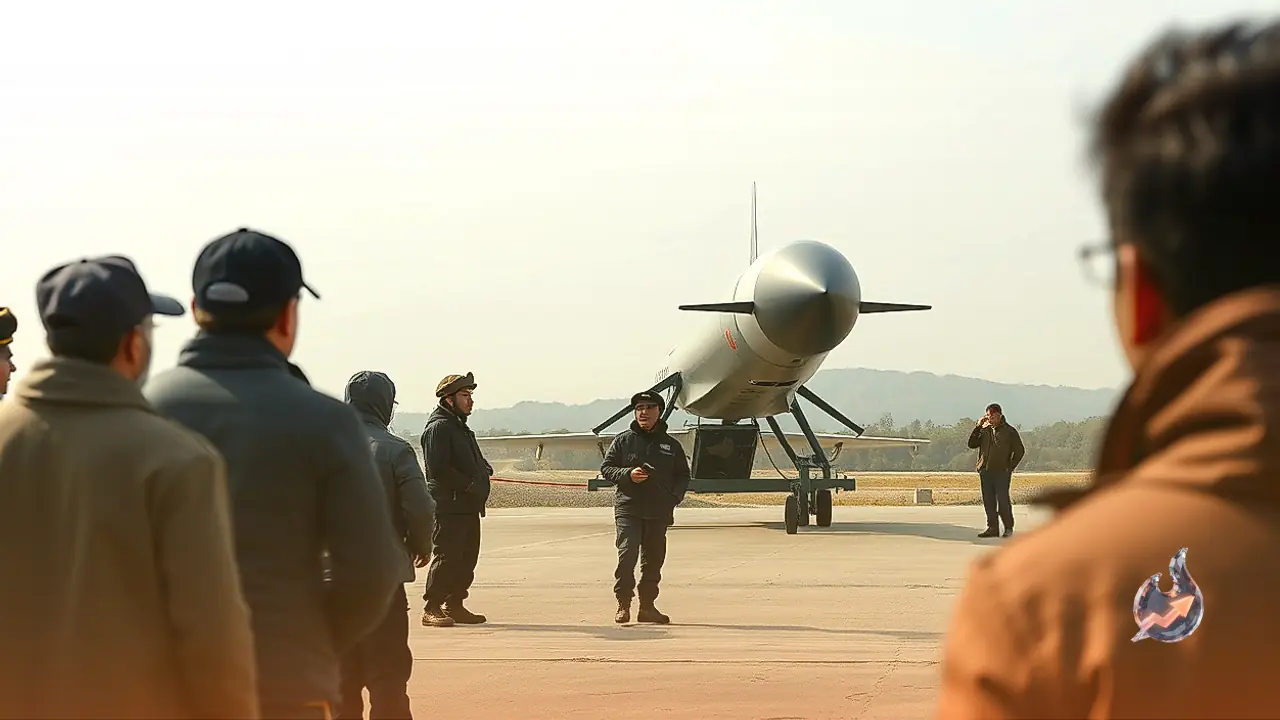
Trump specifically referenced his personal rapport with Kim Jong Un, describing it as a very good relationship that he wishes to maintain. This development comes against a complex backdrop, as North Korea has executed several ballistic missile tests in recent days. These missile launches violate existing United Nations sanctions and have drawn sharp criticism from international monitors. Recently, defense networks across South Korea, the United States, and Japan detected yet another missile launch originating from North Korean territory, highlighting persistent security risks in the region.
The Iran Controversy and Frustration with Allies
A striking element of Trump's public statement involved unexpected references to defense cooperation regarding Middle Eastern security. He revealed a previous dialogue with the President of South Korea, in which Washington inquired whether Seoul would participate in direct actions aimed at neutralizing Iran's nuclear infrastructure. South Korea reportedly declined the invitation with a succinct response stating, "No, thank you."
Although Trump noted that the Iranian nuclear situation stands somewhat separate from bilateral drills in Asia, combining these issues in a single public commentary has prompted wide speculation. Observers suggest that the proposed reduction in military drills could serve as a political signal or consequence for Seoul's refusal to back Washington's military positioning against Tehran. Additionally, Trump expressed broader frustration toward key international allies, including Japan, France, and Great Britain, pointing out their reluctance to provide direct military support or logistical assistance for military efforts targeting Iran.
South Korea Proceeds with Scheduled Exercises
Despite the rhetoric coming from Washington, defense officials in Seoul have confirmed that the upcoming joint military maneuver, known as the Ulchi Freedom Shield, will proceed as scheduled. This major exercise spans an 11-day duration and involves approximately 18,000 South Korean military personnel designed to test combined defense readiness.
Trump acknowledged the impracticality of halting this specific exercise, noting that attempting to cancel a massive maneuver set to commence on Monday would be logistically premature and unrealistic. However, he maintained that future iterations of joint training sessions would undergo steep reductions once this session concludes.
Pyongyang's Stance and Historical Context
North Korea has consistently maintained a hostile view of joint operations between Washington and Seoul. The foreign ministry in Pyongyang recently issued a statement describing the Ulchi Freedom Shield exercises as nothing less than a rehearsal for an invasive war targeting their regime.
Following the breakdown of high-level diplomatic negotiations between Donald Trump and Kim Jong Un in 2019, Pyongyang has aggressively expanded its nuclear weapons capabilities and advanced its ballistic missile testing program. As Washington contemplates reducing its visible military presence, questions remain regarding how these operational shifts will alter the broader security architecture of East Asia.