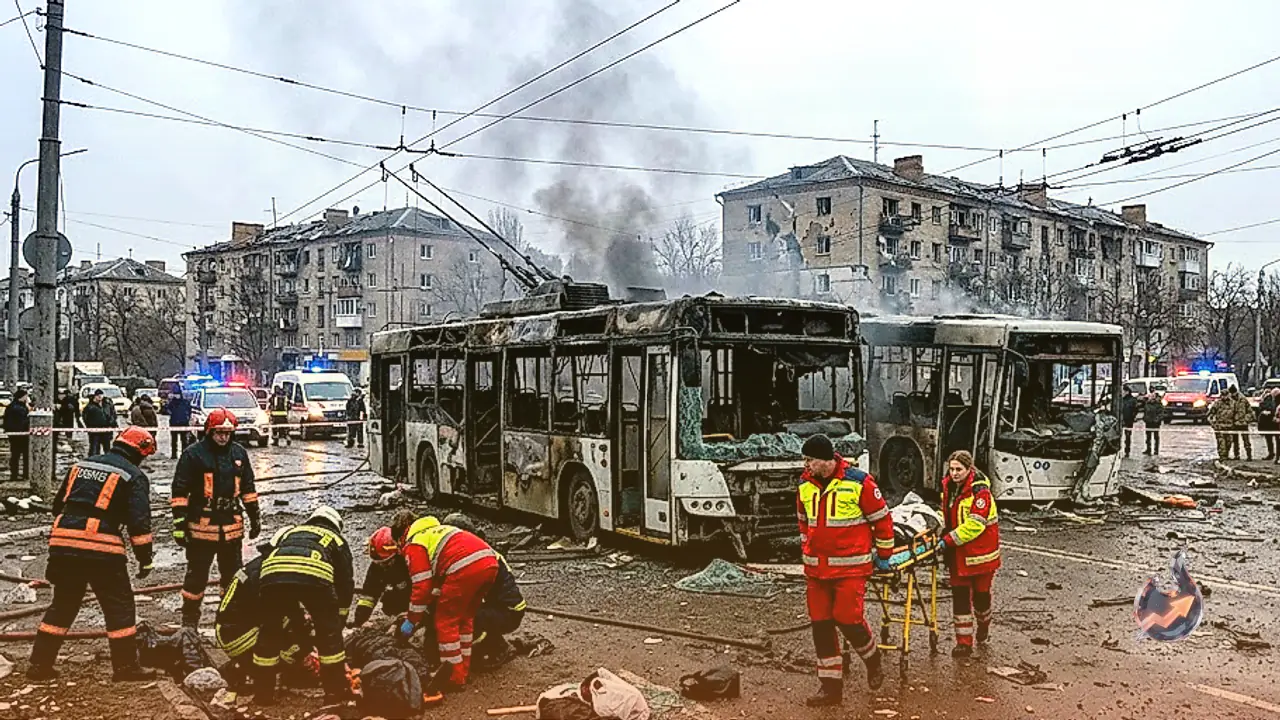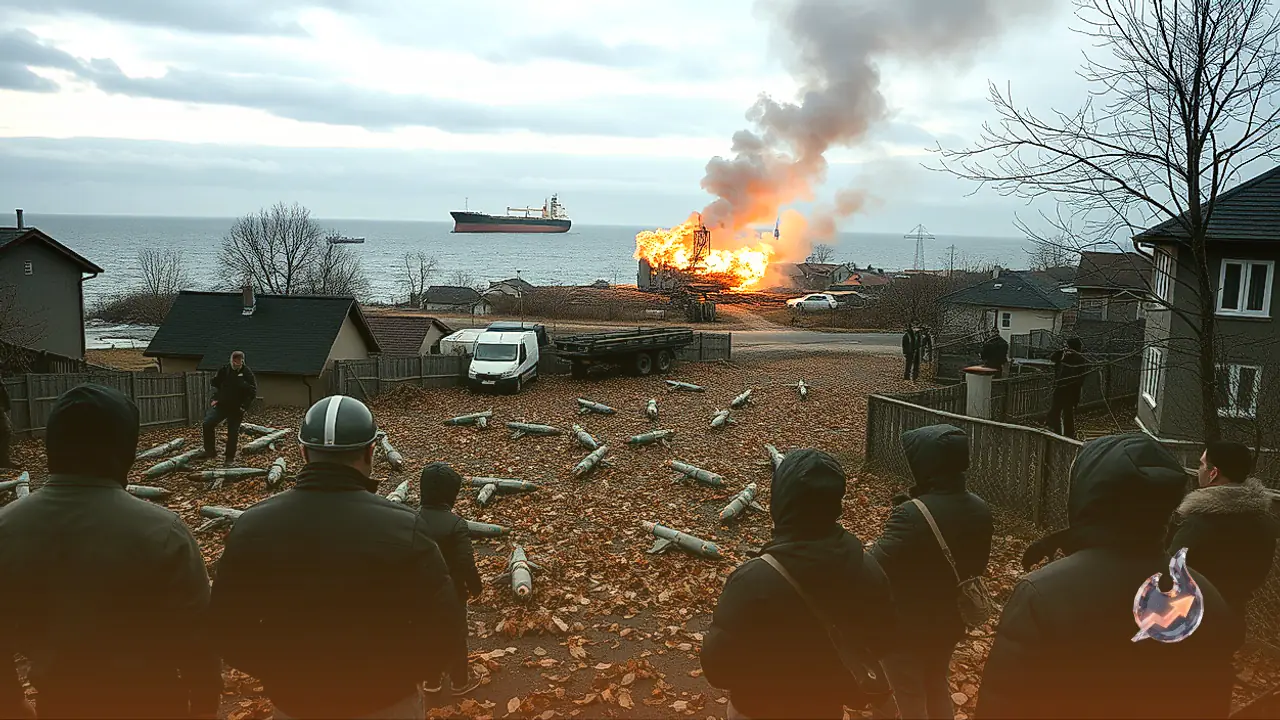

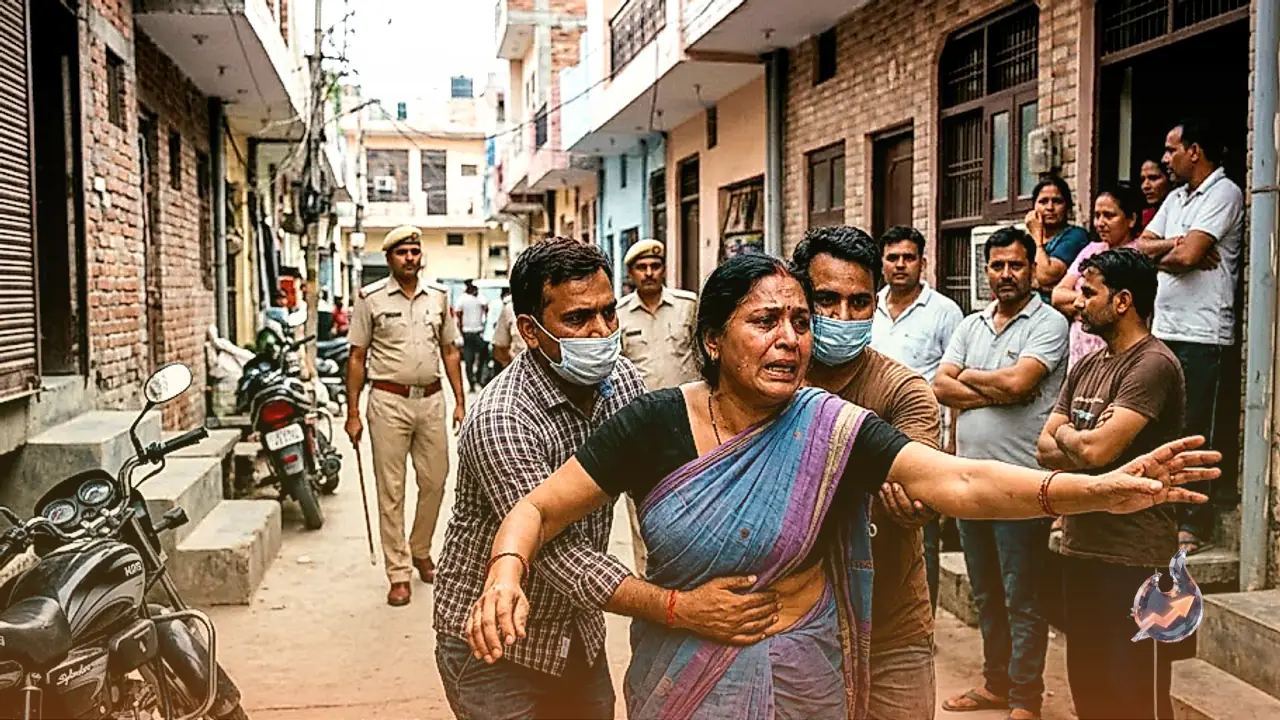





















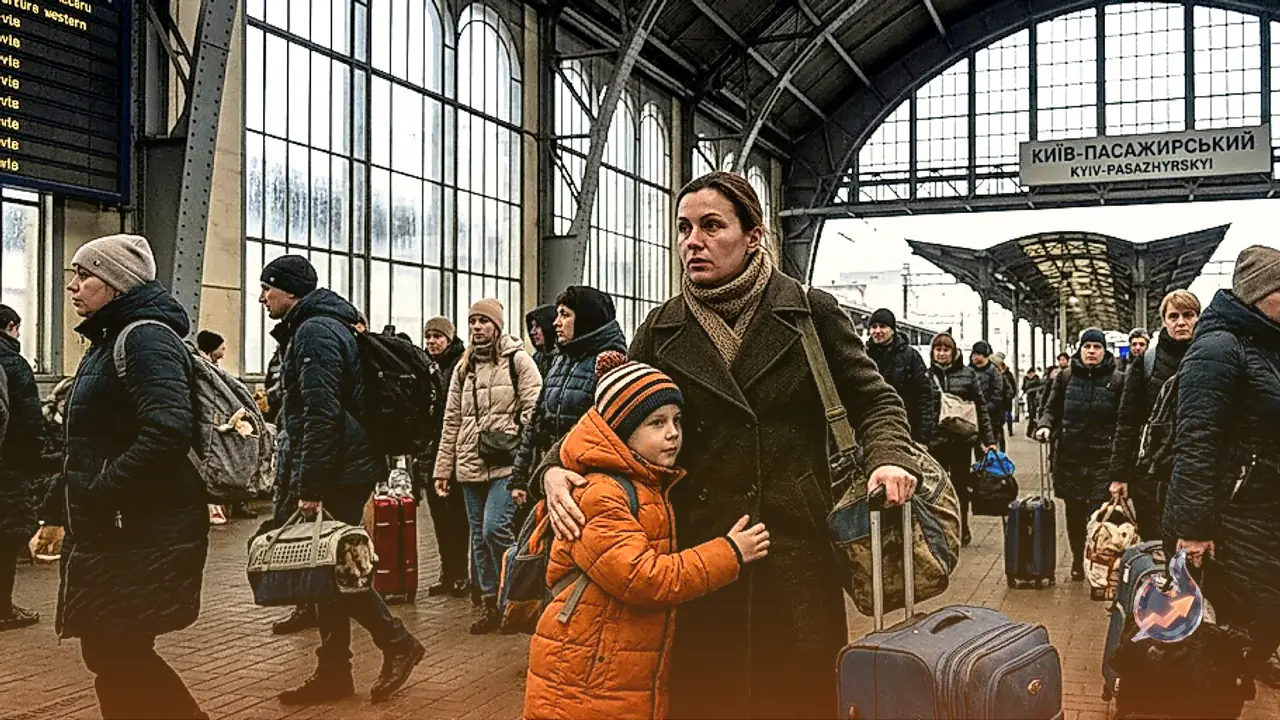

As Russian bombardment across Ukrainian urban centres intensifies alongside the steady arrival of cooler autumn weather, people in Kyiv are bracing for a daunting pair of simultaneous threats: relentless waves of missile and drone strikes alongside the onset of punishing winter cold. Last year's prolonged sub-zero freeze proved to be one of the most punishing periods of the war, as widespread destruction across the national electricity grid left entire neighbourhoods without light and heating for extended stretches. Now, with the capital facing heightened bombardment, many residents are making urgent plans to leave before the worst conditions take hold.
Mounting Airstrikes Force Families to Evacuate Early
Mariia Shostak, a mother of two young children, has decided not to wait for the first winter snow before packing up her small Kyiv flat. Her four-year-old son Artur and two-year-old daughter Kira were both born after Russia launched its full-scale invasion in 2022. Recalling the unbearable conditions of the previous winter, Mariia notes that prolonged outages and deep freezes pushed her to determine that she could not subject her family to another such ordeal.
The tipping point arrived in late August and early September, when round-the-clock attacks on the capital became a daily reality. Earlier in the conflict, air defence teams primarily intercepted incoming drones and cruise missiles over outer districts. Recent assaults, however, have brought direct explosions and falling shrapnel right into the city centre above residential buildings. Unwilling to remain in an environment where she feels entirely unsafe, Mariia is moving her children to Hurghada on the Red Sea coast in Egypt, where living expenses are lower than across continental Europe and temperatures remain comfortably warm throughout the winter months.
Infrastructure Damage and Psychological Toll on Residents
Following weeks of sustained strikes that targeted petrol stations, municipal power stations, and vital bridges spanning the Dnipro river, Kyiv Mayor Vitaly Klitschko warned that the city was confronting a very dramatic situation. Street corners across the capital regularly see debris from intercepted Russian drones, keeping residents on edge. A September survey conducted by the Gradus research firm revealed that 40 percent of Ukrainians were weighing relocation if daily conditions deteriorated further, while 35 percent planned to stay put and 25 percent remained undecided.
Evgeniya Blyznyuk, the founder and chief executive of Gradus, pointed out that families are weighing an array of intersecting pressures rather than just power blackouts. Russian forces have increasingly struck major logistical hubs, stoking broad public anxiety regarding food supplies and basic consumer goods during the coldest months. While Blyznyuk does not anticipate an immediate mass exodus because residents are reluctant to forfeit their employment or pull their children out of school, many are expected to defer relocation until living conditions become completely unsustainable.
Trauma and Medical Crises Among Young Children
The relentless bombardment has taken a severe toll on young children, compounding physical hardships with profound emotional trauma. Iryna, who lives in an apartment building on the north-western perimeter of Kyiv, watched her three-year-old daughter Polina endure severe cold last winter when indoor temperatures hovered between zero and five degrees Celsius for weeks on end. That physical strain has now evolved into acute trauma following two separate missile strikes near their home this year.
An explosion in early June shattered several windows in their flat. Barely a month later, after repairs had been carried out, a second blast detonated near the base of their 10-storey apartment block, hurling dirt and debris straight through the windows and forcing the family into temporary quarters. Polina developed acute neurological complications, suffering from uncontrollable shaking, vomiting, and incontinence triggered by persistent anxiety. With her husband deployed in the armed forces, Iryna is considering relocating to Poland through her work with an international non-governmental organisation, noting that Ukraine's president has highlighted Kyiv as the primary strategic target.
Rural Retreats Offer Respite from Sirens and Strikes
For residents seeking refuge without departing Ukraine entirely, the expansive countryside offers a practical alternative. Olena Konoplia spent weeks searching for a secure haven before renting a cottage in a rural hamlet two hours outside Kyiv. She deliberately targeted a small village free of factories, warehouses, and railway stations, which are prime focal points for Russian airstrikes.
After having a local priest bless the residence in line with Ukrainian tradition, Olena oversaw the installation of a new front door and brought in household necessities. The home features gas convection heaters, while a nearby shed holds a store of firewood to provide emergency warmth should electrical lines fail. Working for a charitable foundation based in Kyiv, she installed high-speed internet to continue her writing and professional duties remotely. Having spent several nights sleeping uninterrupted by air raid sirens and concussive blasts, Olena reported feeling rested and productive again, and she plans to move her elderly mother from a hazardous district in Kyiv into the rural cottage as well.
Municipal Preparations and Bunker Power Plants
Relocating to the countryside or travelling abroad remains financially out of reach for a vast portion of Kyiv's populace. The majority of residents will stay in the city, relying on personal resilience and municipal contingency plans to navigate the coming months. Local authorities have begun converting sanatoriums and rehabilitation centres nestled in the forested outskirts of Kyiv to shelter highly vulnerable residents, including senior citizens and mothers with young children.
To safeguard essential utilities, municipal teams have constructed a network of approximately 15 small-scale power plants across the city over the last 18 months. Built inside fortified underground bunkers and shielded against drone strikes by heavy steel cages, each decentralized facility is capable of supplying both electricity and heating to several hundred high-rise residential blocks. Nevertheless, with energy suppliers already announcing scheduled rolling blackouts and local grocery stores experiencing occasional inventory shortages, the pressure on Kyiv residents to find safety elsewhere continues to mount.